English
한국어
English
Español
中文
हिंदी
Home
News
Community
Dictionary
English
한국어
English
Español
中文
हिंदी
View list
Namgasae
Tribulus terrestris
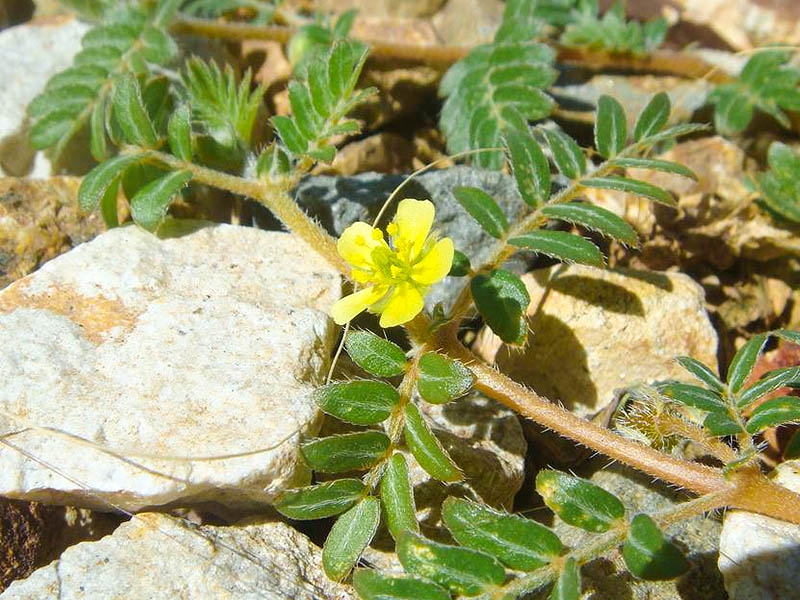
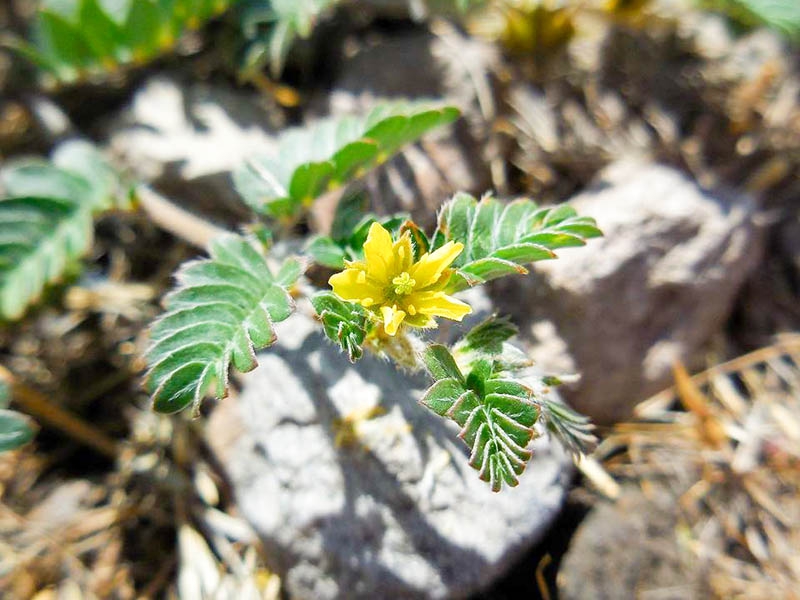
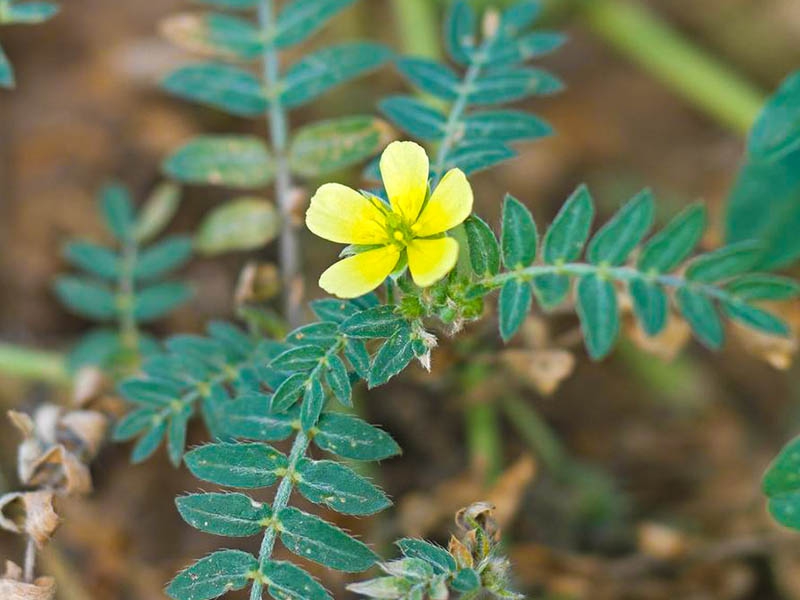
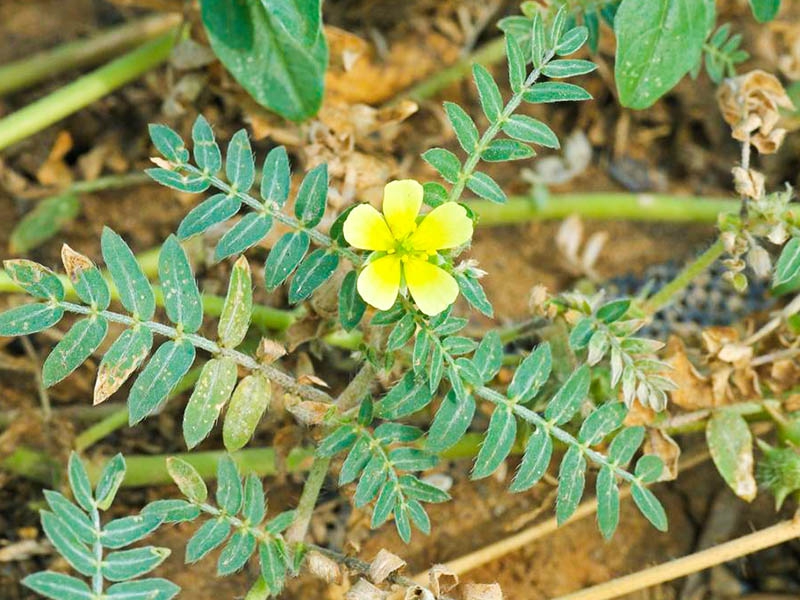
Growth Characteristics Tribulus terrestris is a perennial herbaceous plant that thrives primarily in warm climates. Its stems spread out long, and its leaves are small, pinnately compound. The flowers are small and yellow, and after blooming, it produces fruit with small thorns. Propagation Methods Tribulus terrestris primarily reproduces by seeds. The seeds are contained within the fruit and, due to the presence of thorns, can be easily dispersed by animals or wind. The seeds have strong germination rates and can grow well in various environments. Cultivation Methods - Soil Preparation: Well-drained sandy soil is suitable. A pH between slightly acidic and neutral is ideal. - Sowing Time: Spring is the most suitable season, and seeds should be sown shallowly. - Watering: Water regularly, taking care to avoid overwatering. - Sunlight: Sufficient sunlight is required. Garden Uses Tribulus terrestris can be used in rock gardens or as a border plant. In addition, it is drought-tolerant and thrives even in water-scarce regions, making it suitable for low-moisture gardens. However, caution is required as its strong reproductive capacity can overwhelm other plants in the garden. Important Pests and Control Methods While Tribulus terrestris is relatively resistant to pests and diseases, fungal diseases or pests may rarely occur on the leaves. - Fungal Diseases: These mainly occur in overly humid environments, so prevent them by improving drainage and managing moisture levels. - Pests: Aphids may appear; if necessary, use eco-friendly insecticides or remove them manually. With proper care, you can grow Tribulus terrestris healthily and utilize it effectively in your desired environment.
Plant Type
Plant Family
Tribulus family
Height
10~60cm
Spread
Colors
yellow
Bloom Period
July
Water Needs
commonly
Exposure
Sunny
Freezing Resistance
-10°C
Water pepper greens
Triadenum japonicum
Trichocaulon cactiformis