English
한국어
English
Español
中文
हिंदी
Home
News
Community
Dictionary
English
한국어
English
Español
中文
हिंदी
View list
medicinal orchid
Cremastra variabilis
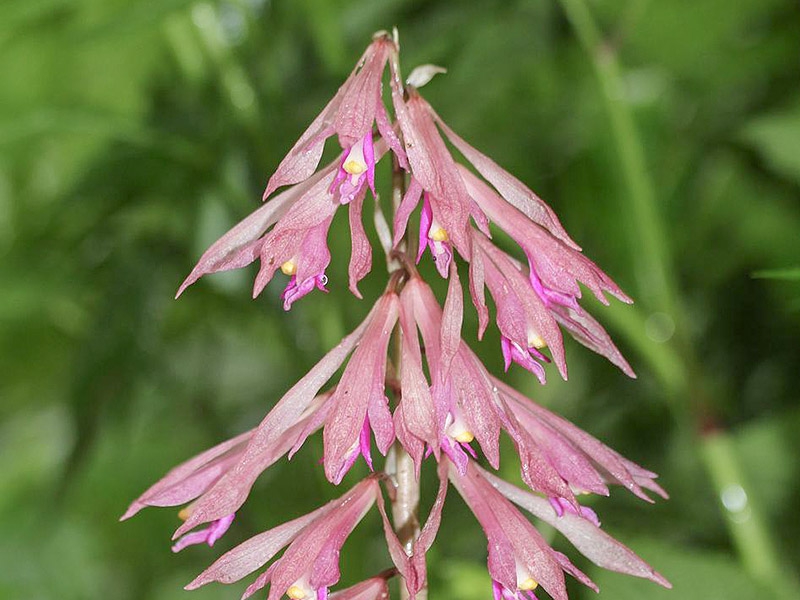
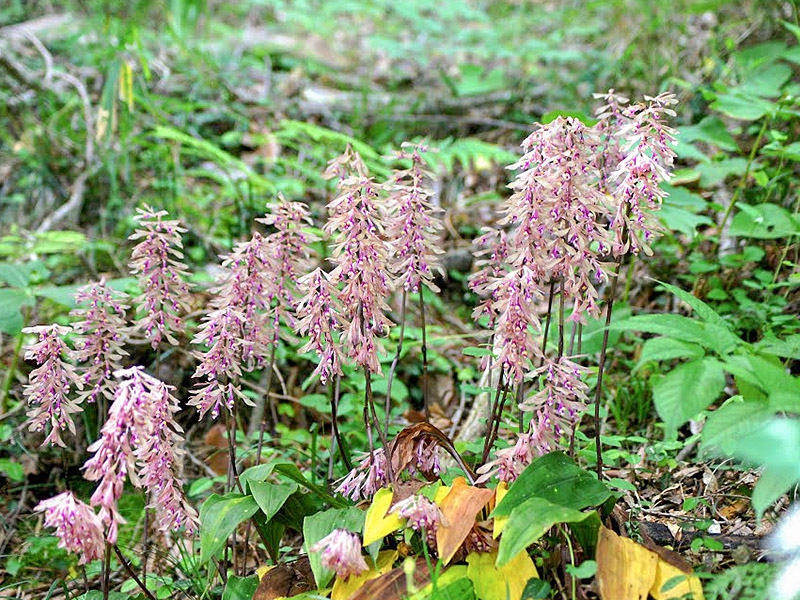
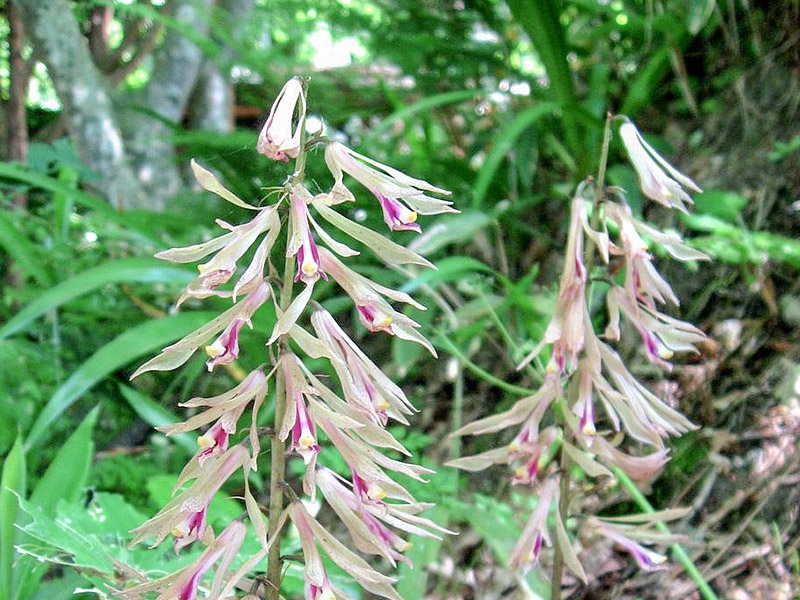
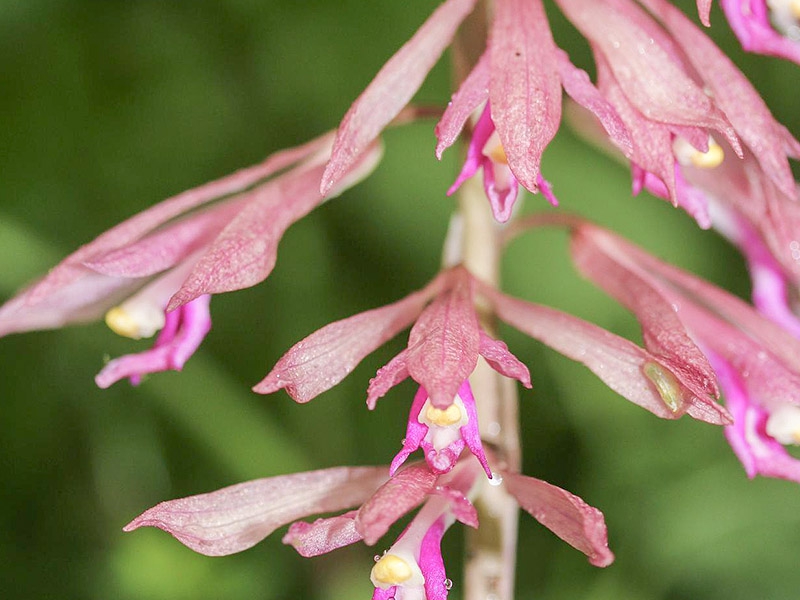
Growth Characteristics This is a perennial plant that thrives primarily in shady areas of mountainous regions, growing to a height of approximately 30–50 cm. It possesses rhizomes, and its leaves are long and narrow. The flowers bloom from spring to early summer and are purple in color. The Yaknancho (Epipactis thunbergii) prefers partial shade and grows well in well-drained soil. Propagation Methods It is mainly propagated by seeds and dividing rhizomes. Since seed propagation is time-consuming and sensitive to environmental conditions, propagation by dividing rhizomes is generally more efficient. Rhizomes are propagated by division in spring or autumn; simply select healthy rhizomes and transplant them. Cultivation Methods - Soil Preparation: Since Yaknancho prefers well-drained soil, mix sand and organic matter into the soil. - Planting: Plant with sufficient spacing between plants, taking care not to damage the rhizomes. - Watering: Maintain consistent humidity while ensuring good drainage. Avoiding overwatering is essential for healthy root growth. - Fertilizer: Apply diluted liquid fertilizer during the growing season in spring and early summer. - Temperature and Light: Ensure the plant grows in appropriate partial shade and avoid direct sunlight. Uses in the GardenIt is suitable as a ground cover plant in shaded gardens. It contributes to creating a natural and tranquil garden environment and pairs well with various tree species. In particular, it should be planted under trees to receive shade and grow more healthily. Important Pests and Control Methods - Diseases: While generally resistant to disease, it can contract fungal diseases if left unchecked. To prevent this, it is important to ensure good ventilation and avoid overwatering. - Pests: Aphids and moth larvae are the primary causes of problems. - Control Methods: Aphids can be managed with soapy water, and moth larvae should be removed whenever they are spotted. Control can be achieved through biological methods using natural enemy insects or by using appropriate pesticides as needed. You can keep the medicinal orchids healthy through regular monitoring and proper care.
Plant Family
Orchid family
Height
30~50cm
Colors
white, purple
Bloom Period
May~June
Water Needs
commonly
Exposure
semi-shaded area
Freezing Resistance
-10°C
Horned hawthorn
Crataegus crus-galli
Two-leaved medicinal orchid
Cremastra unguiculata