English
한국어
English
Español
中文
हिंदी
Home
News
Community
Dictionary
English
한국어
English
Español
中文
हिंदी
View list
Two-leaved medicinal orchid
Cremastra unguiculata
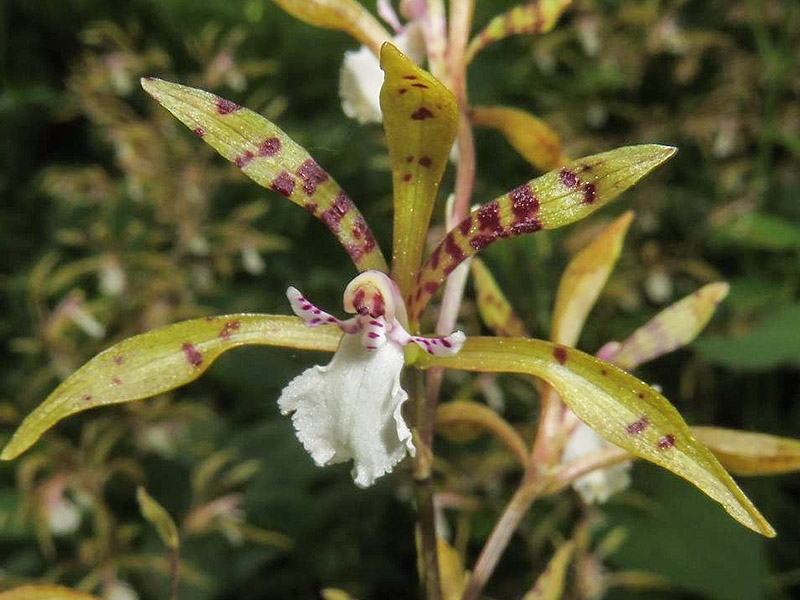
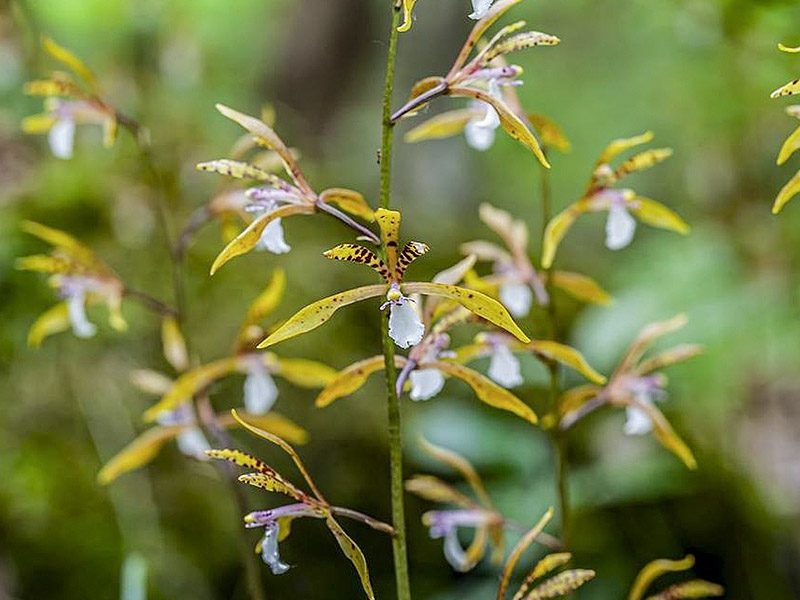
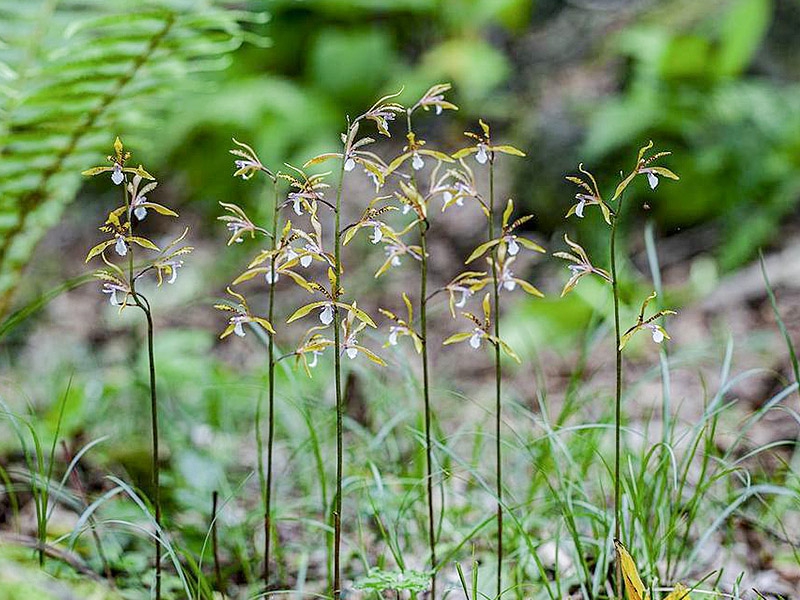
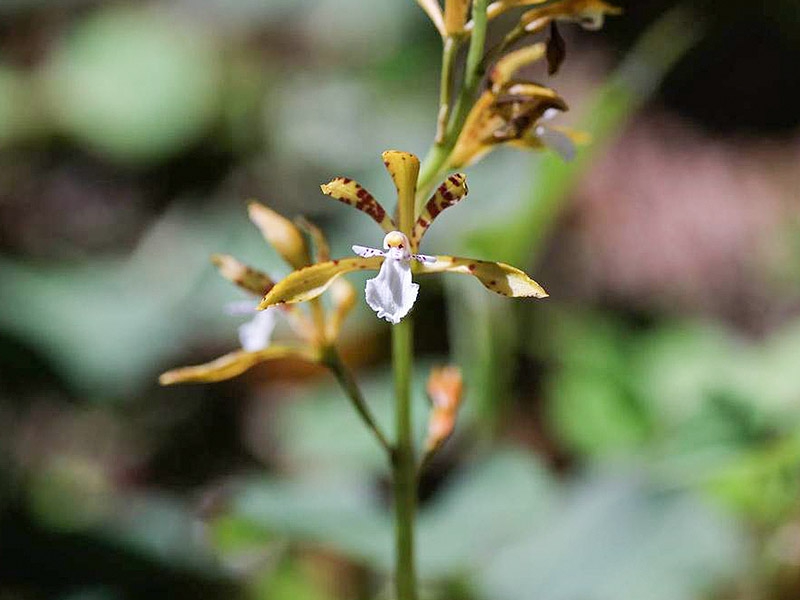
Cremastra unguiculata is a plant belonging to the Orchidaceae family and is native primarily to Asia. The following describes the plant's growth characteristics, propagation methods, cultivation methods, garden uses, and major pests and diseases, as well as control methods. Growth Characteristics - Environment: Cremastra unguiculata prefers partial shade. It is important to avoid direct sunlight and maintain appropriate humidity, especially during the summer. - Soil: It thrives in well-drained soil and prefers slightly acidic soil. - Watering: It is better to water when the soil is slightly dry rather than overwatering. Propagation Methods - Seed Propagation: Propagation is possible via seeds, but due to the low germination rate, this should be attempted in a well-maintained environment. - Division: It is common to divide mature plants with developed roots, and this is suitable for spring or autumn. Cultivation Methods - Planting: When planting in a pot or garden, ensure a sufficient drainage layer and mix in organic matter. - Temperature: An optimal temperature range is 15–25°C; care should be taken to ensure the temperature does not drop too low during the winter. Uses in the Garden - Landscape: It is popular for gardens or indoor decoration due to its unique leaf and flower shapes. - Placement: It creates a natural harmony when placed alongside other shade-loving plants. Important Pests and Control Methods - Diseases: Root rot can occur due to excessive moisture; prevent this by ensuring proper drainage. - Pests: Aphids or scale insects may occur; inspect the leaves periodically and control them using soapy water or appropriate pesticides if necessary. The above is a general guideline; slight adjustments may be required depending on the growing environment of Apocalyptus angulata.
Plant Family
Orchid family
Height
25~40cm
Colors
yellow
Bloom Period
May to June
Water Needs
commonly
Exposure
shade
Freezing Resistance
-10°C
medicinal orchid
Cremastra variabilis
Sea lettuce
Crepidiastrum lanceolatum