English
한국어
English
Español
中文
हिंदी
Home
News
Community
Dictionary
English
한국어
English
Español
中文
हिंदी
View list
Crocus Bernus
Crocus vernus
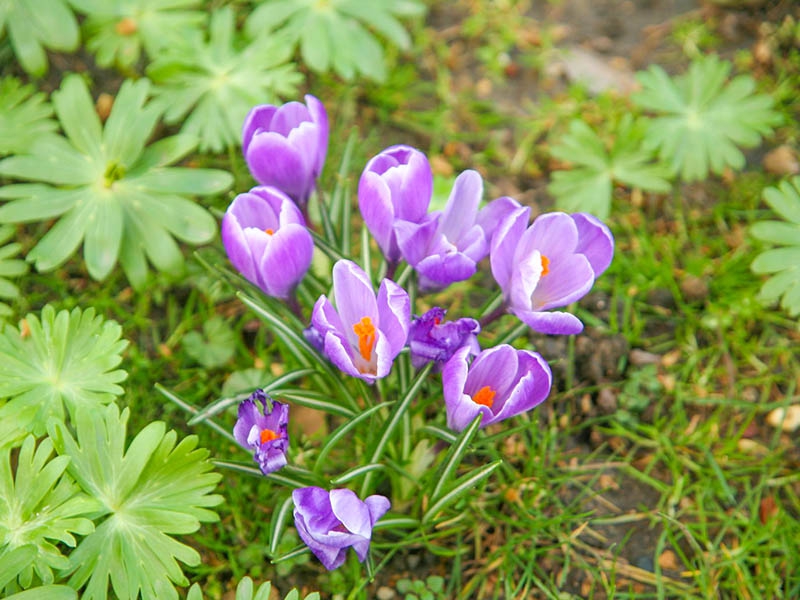
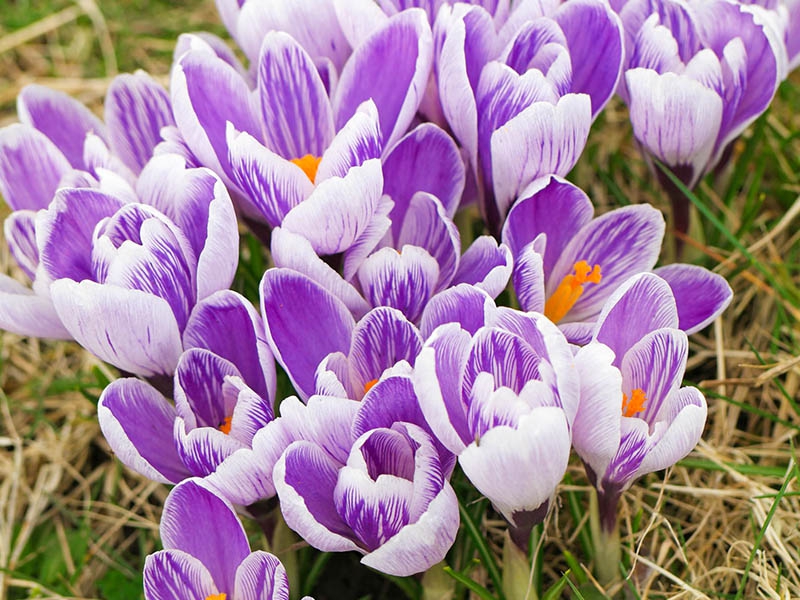
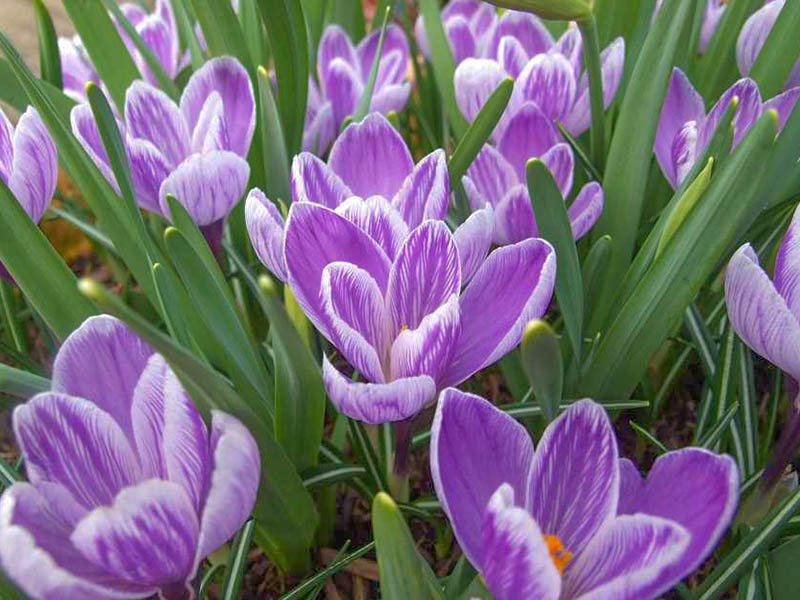
Crocus vernus, commonly known as the spring crocus, has the following characteristics and cultivation methods. Growth Characteristics - Distribution: It is mainly distributed in Europe and Southwest Asia, often growing in mountainous regions. - Growth Habit: It is a perennial herbaceous plant that primarily blooms in early spring. - Flower Color: It comes in various colors, including purple, white, and yellow. - Leaves: The leaves are slender and long, characterized by a white stripe in the center. Propagation Method - It is primarily propagated via bulbs. - Propagation is achieved by planting bulbs in the autumn and allowing them to bloom the following spring. Cultivation Method - Soil: It prefers well-draining soil. Sandy soil is ideal. - Sunlight: It thrives in full sun, but can also grow in partial shade. - Planting: Plant bulbs about 5–10 cm deep in the autumn. - Watering: Avoid excessive watering and maintain moderate moisture. Uses in the Garden - Crocus vernus is an excellent flowering plant that adds color to the garden in early spring. - It can be used in various locations, such as borders, flower beds, and pots. Important Pests and Control Methods - Diseases: Bulb rot and fungal diseases may occur. - Prevention and Control: Ensure good ventilation and avoid overwatering. If disease occurs, remove the affected parts and use appropriate pesticides. - Pests: Small insects such as aphids may appear. - Prevention and Control: Pests can be removed using soapy water or pest control agents. Please refer to this information to grow healthy and beautiful Crocus vernus.
Plant Family
Iris family
Height
10~15cm
Colors
purple, magenta
Bloom Period
March to June
Water Needs
commonly
Exposure
Sunny
Freezing Resistance
-15°C
Crocus 'L. Hill Yellow'
Crocus vernus
'L. Hill Yellow'
saffron
Crocus sativus