English
한국어
English
Español
中文
हिंदी
Home
News
Community
Dictionary
English
한국어
English
Español
中文
हिंदी
View list
Padua tiglium
Croton tiglium
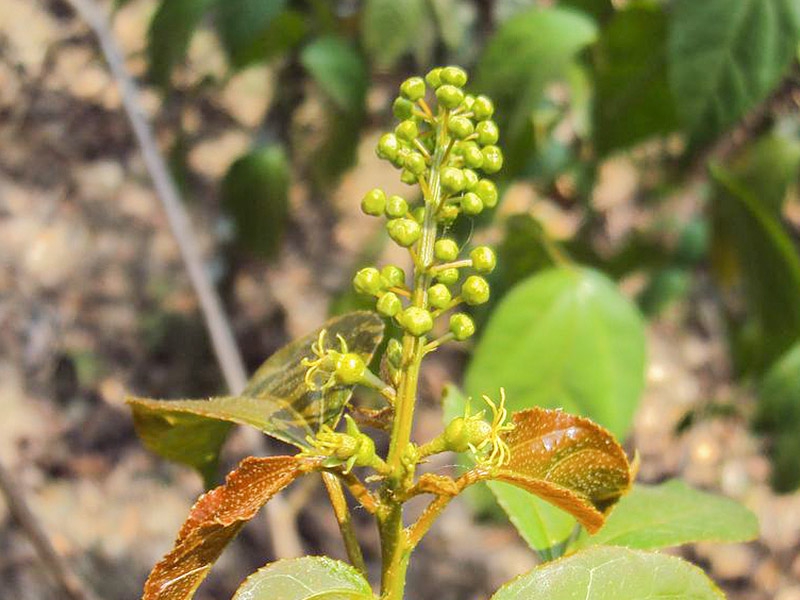
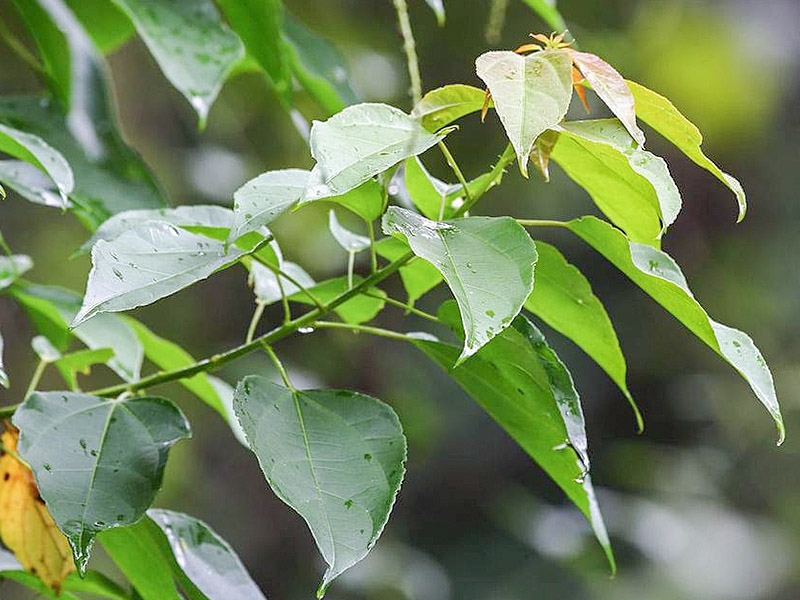
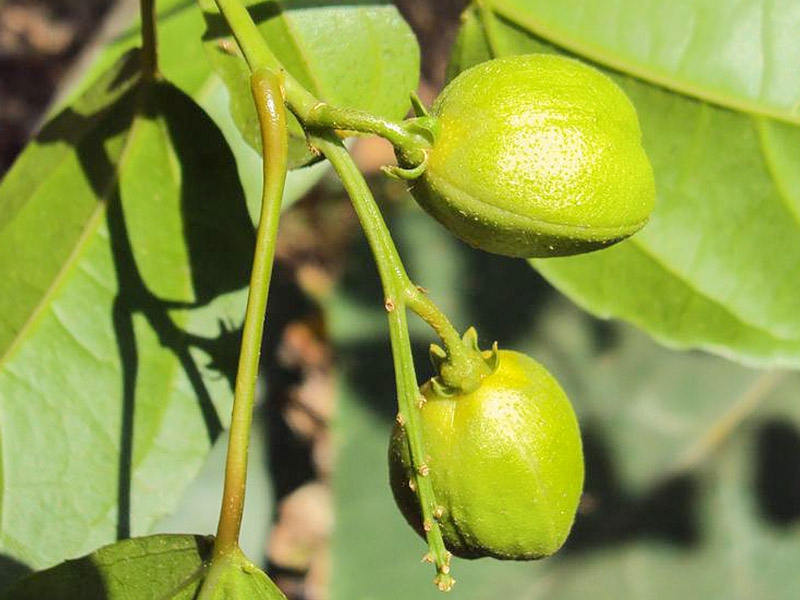
Croton tiglium is an evergreen that grows primarily in tropical and subtropical regions. It is a plant that requires caution due to the toxicity of its sap. The following outlines the main growth characteristics, propagation and cultivation methods, garden uses, and important pests and diseases, as well as control methods. Growth Characteristics - Climate: It thrives in tropical and subtropical climates and prefers warm, humid environments. - Soil: It grows well in fertile, well-drained soil. - Sunlight: It prefers full sun to partial shade. Propagation Methods - Seed Propagation: It can be propagated using mature seeds. It is recommended to soak seeds in warm water before sowing to increase germination rates. - Cuttings: Stem cuttings are possible, but seed propagation is generally more efficient. Cultivation Methods - Water Management: Avoid overwatering; water only when the soil becomes dry. - Fertilizer: Apply an appropriate amount of fertilizer during the growing season to promote growth. - Temperature Management: Since it is sensitive to cold, it is recommended to keep it indoors during the winter. Uses in the Garden - Pado tiglium is primarily used for ornamental purposes and is particularly useful for creating an exotic atmosphere. However, due to its toxicity, children and livestock must be kept out of its reach. Important Pests and Control Methods - Pests and Diseases: Generally, it is free from most pests due to its strong toxicity. However, leaf-eating pests may rarely occur. - Control Methods: It is effective to utilize natural predators or, if necessary, use specialized pest control agents. When cultivating Pado tiglium, special attention must be paid to its toxicity. If you are aware of these characteristics before planting, you can grow it safely and beautifully.
Plant Family
Euphorbia
Height
6~10m
Colors
green
Bloom Period
March to May
Water Needs
commonly
Exposure
Sunny
Freezing Resistance
-5°C
Hwalnamul
Crotalaria sessiliflora
Layered orchid
Selliguea veitchii