English
한국어
English
Español
中文
हिंदी
Home
News
Community
Dictionary
English
한국어
English
Español
中文
हिंदी
View list
Sea Job's tears
Crypsis aculeata
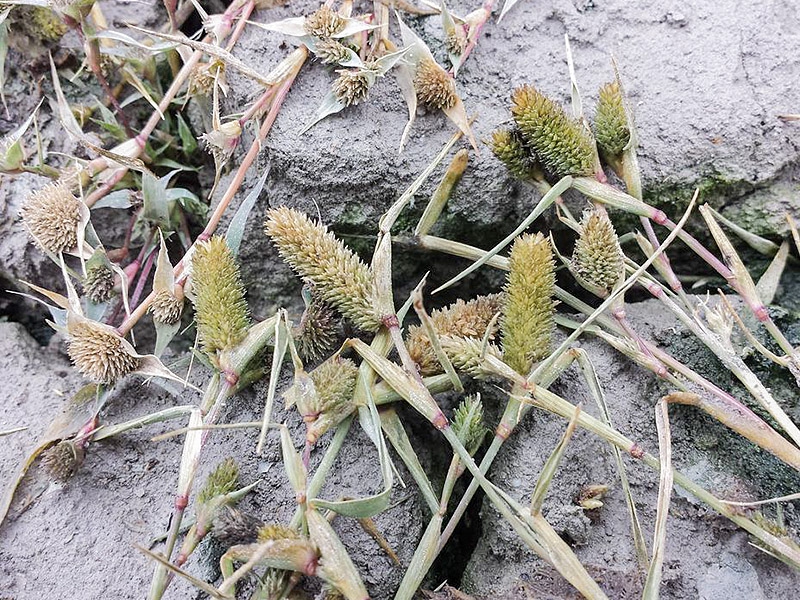
Crypsis aculeata is an annual plant that grows primarily in wetlands or along water's edge. Below is information regarding this plant's growth characteristics, propagation methods, cultivation methods, garden uses, major pests and diseases, and control methods. - Growth Characteristics: Crypsis aculeata prefers humid environments and is mainly found along water's edge or in wetlands. It grows to a height of approximately 20–50 cm, and its leaves are narrow, elongated, and pointed at the tips. - Propagation Methods: It is primarily propagated by seeds. Seeds can be sown in spring or early summer, and in its natural state, it has the characteristic of spreading along the flow of water. - Cultivation Methods: Since Crypsis aculeata thrives in moist soil, attention must be paid to drainage and water supply when cultivating it artificially. A location with ample sunlight is ideal, and it is recommended to maintain the soil's pH at a slightly acidic to neutral level. 4. Use in Gardens: It is primarily used to create natural waterside landscapes. It is suitable for gardens where the presence of water is important, such as shaded pond edges or biotopes. Although it does not have high ornamental value, it can contribute to creating an ecosystem close to nature. - Important Pests and Control Methods: Coix lacryata is relatively resistant to pests and diseases. However, fungal diseases can occur in excessively humid environments. To prevent this, maintain proper ventilation and avoid excessive moisture. If disease occurs, it is recommended to remove the infected parts or use an appropriate fungicide. We hope this information helps you manage and cultivate Coix lacryata.
Plant Family
Poaceae
Height
5~30cm
Colors
White, yellow, green
Bloom Period
July~August
Water Needs
commonly
Exposure
Sunny
Freezing Resistance
-15°C
Large orchid
Selliguea engleri
Cryptantus Jonatus 'Zebrinus'
Cryptanthus zonatus
'Zebrinus'