English
한국어
English
Español
中文
हिंदी
Home
News
Community
Dictionary
English
한국어
English
Español
中文
हिंदी
View list
Ctenante Rubersiana
Ctenanthe lubbersiana
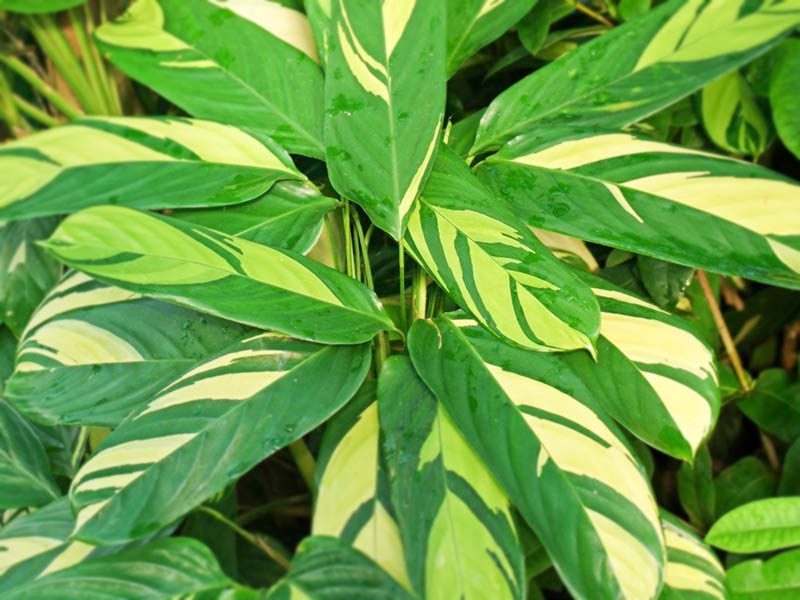
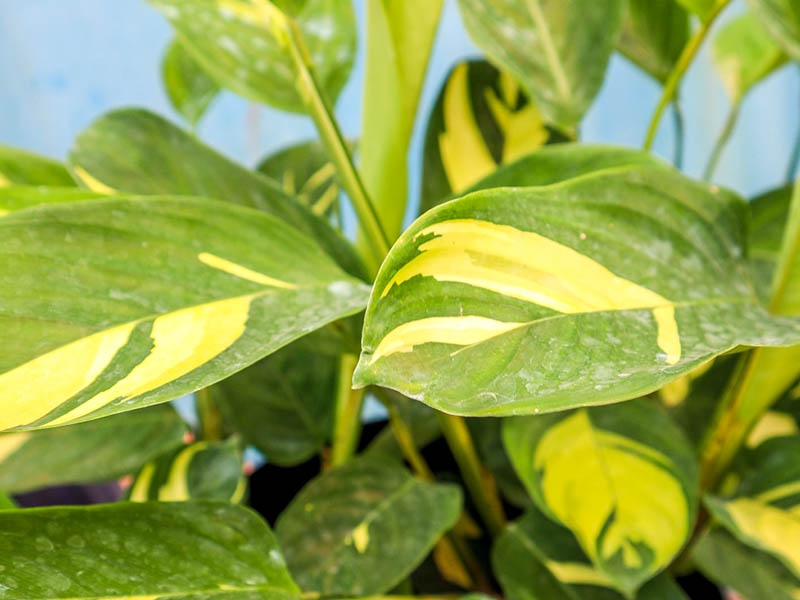
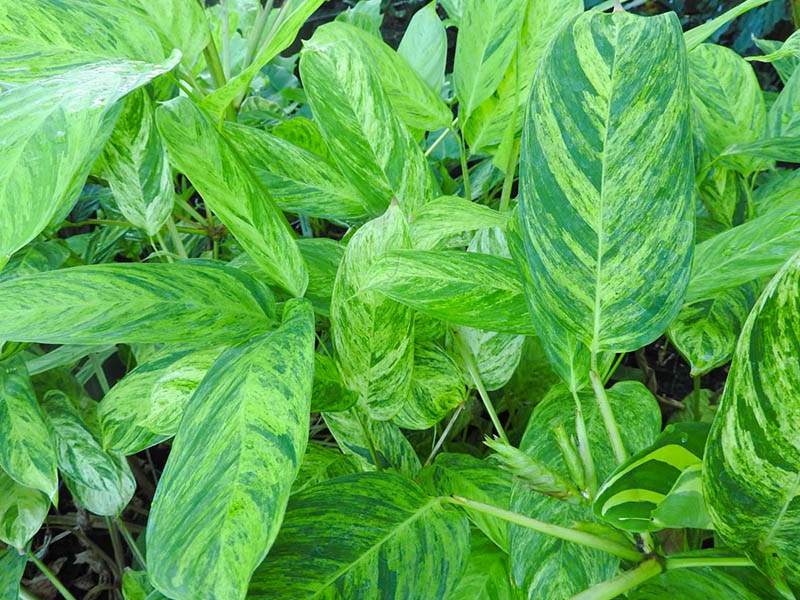
Ctenanthe lubbersiana is a plant widely cultivated primarily indoors for ornamental purposes. The following is information regarding this plant's growth characteristics, propagation methods, cultivation techniques, garden uses, and important pests and diseases and control methods. Growth Characteristics - Growing Environment: It prefers bright indirect light, and it is best to avoid strong direct sunlight. Maintaining appropriate humidity and temperature is important. - Soil: It thrives in well-draining soil. It is recommended to use general potting soil mixed with perlite or sand. - Watering: Water thoroughly when the soil dries out. More water is needed, especially during the growing season. However, overwatering should be avoided. Propagation Methods - Division: This is the most common method, involving separating a new shoot from the mother plant and planting it in a new pot. - Cuttings: It can be propagated through stem cuttings. Cut off the tip of a stem, place it in water to encourage root growth, and then plant it. Cultivation Method - Temperature: It is recommended to maintain a temperature between 18-24°C. - Humidity: To maintain proper humidity, you can regularly mist the leaves with a spray bottle. - Fertilizer: During spring and summer, it is recommended to apply diluted liquid fertilizer about once every two weeks. Uses in the Garden - Indoor Decoration: It is primarily grown indoors and is highly popular for air purification and interior decoration. - Terrarium: It fits well in small indoor gardens, such as terrariums, and can be arranged harmoniously with other plants. Important Pests and Control Methods - Pests: This plant is susceptible to damage from spider mites, scale insects, and aphids. - Control Methods: - Spider mites and scale insects can be removed by frequently washing them with water or wiping them with soapy water or alcohol. - Aphids can be removed by spraying with soapy water or using natural insecticides. - In severe cases, it is recommended to use dedicated fungicides or insecticides. I hope this information helps you manage and cultivate Ctenante rubersiana healthily.
Plant Family
Maranta family
Height
90~100cm
Colors
white, purple
Bloom Period
May~June
Water Needs
commonly
Exposure
semi-shaded area
Freezing Resistance
-5°C
Pardeudeuknamul
Cryptotaenia japonica
purple starflower
Silene baccifer
var.
japonicus