English
한국어
English
Español
中文
हिंदी
Home
News
Community
Dictionary
English
한국어
English
Español
中文
हिंदी
View list
Cumin
Cuminum cyminum
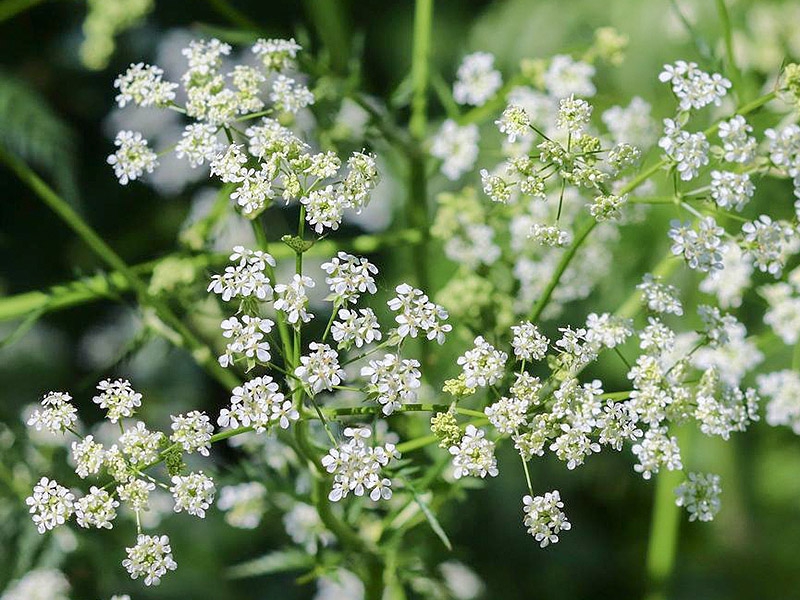
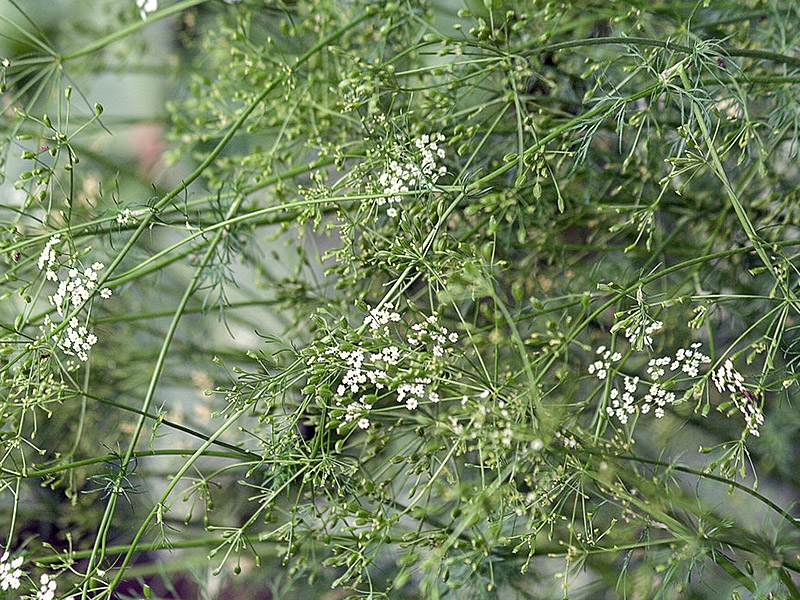
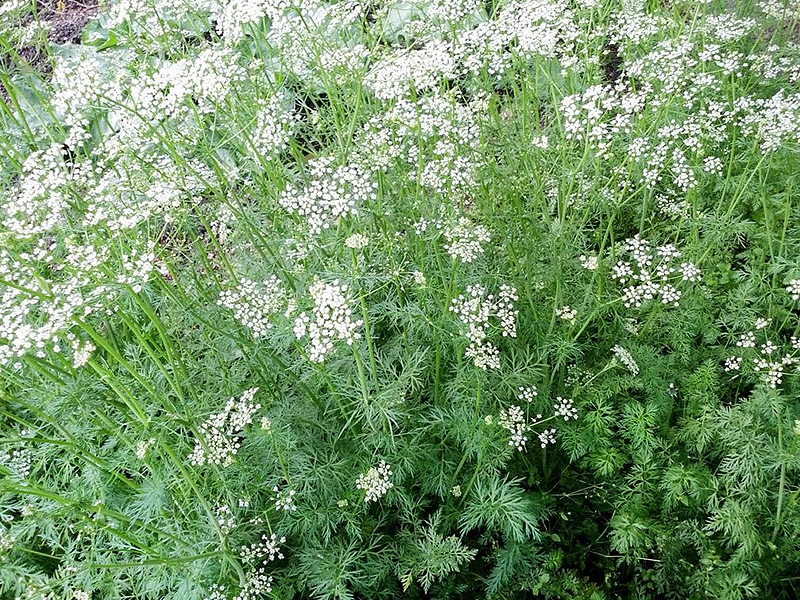
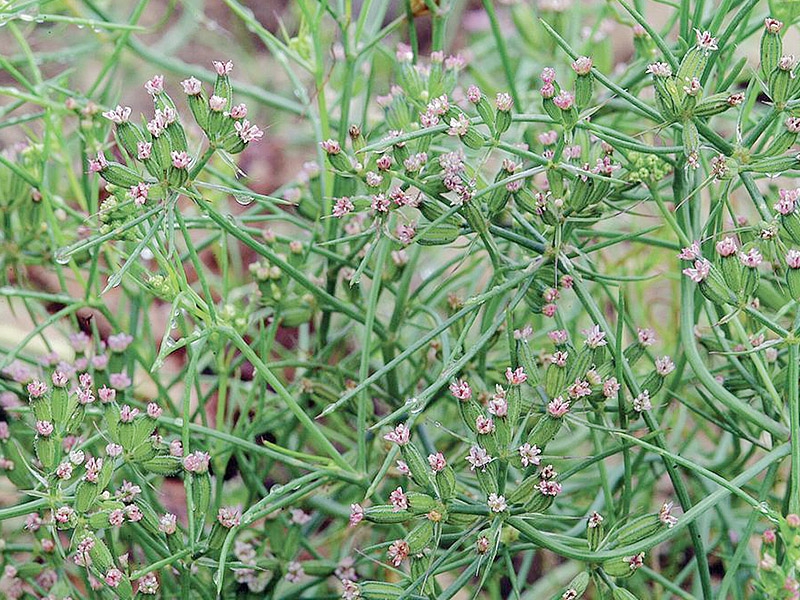
Cumin cyminum is a representative herb plant, best known for its seeds, known as cumin. The following is information regarding cumin's growth characteristics, propagation methods, cultivation methods, garden uses, major pests and diseases, and control methods. Growth Characteristics - Growing Environment: Cumin thrives in warm, dry climates. It requires low humidity and plenty of sunlight. - Soil Conditions: It requires well-drained soil and prefers slightly acidic to neutral soil with a pH of approximately 6.8 to 7.2. - Growth Cycle: As an annual plant, it is usually ready for harvest about 3 to 4 months after sowing. Propagation Methods - Seed Propagation: It is primarily propagated by seeds. Seeds should be planted about 1 cm deep, away from direct sunlight. Sowing in the spring is common. Cultivation Methods - Planting: A temperature of 20–25°C must be maintained for optimal germination conditions. Seeds germinate within 10 to 14 days. - Watering: Avoid overwatering and water only when the soil becomes dry. - Fertilization: Plant in soil mixed with basic compost, and add appropriate nitrogen fertilizer during the growing season. Garden Uses - Ornamental: It produces small, pale pink or white flowers, making it suitable for garden decoration. - Culinary Use: Harvested seeds are used as a spice in various dishes. Important Pests and Control Methods - Diseases: Cumin is relatively resistant to disease, but care must be taken regarding root rot or decay. To prevent this, ensure good drainage and avoid excessive moisture. - Pests: Leaf beetles or aphids may occur. These pests can be removed manually or using eco-friendly soap insecticides. - Control Methods: To prevent pests, remove weeds around the plants and adjust planting spacing to ensure proper air circulation. With the information above, you can successfully grow and manage Cumin Chiminum.
Plant Family
Apiaceae
Height
30cm
Colors
white, pink
Bloom Period
July~August
Water Needs
commonly
Exposure
Sunny
Freezing Resistance
-5°C
Cudrania tricuspidata
broad-leaved cedar
Cunninghamia lanceolata