English
한국어
English
Español
中文
हिंदी
Home
News
Community
Dictionary
English
한국어
English
Español
中文
हिंदी
View list
Cuckoo lily
Tricyrtis macropoda
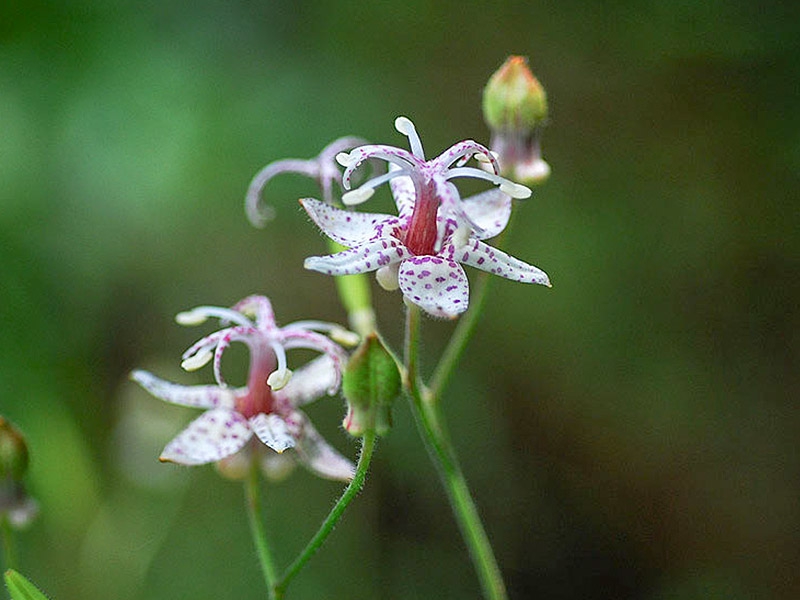
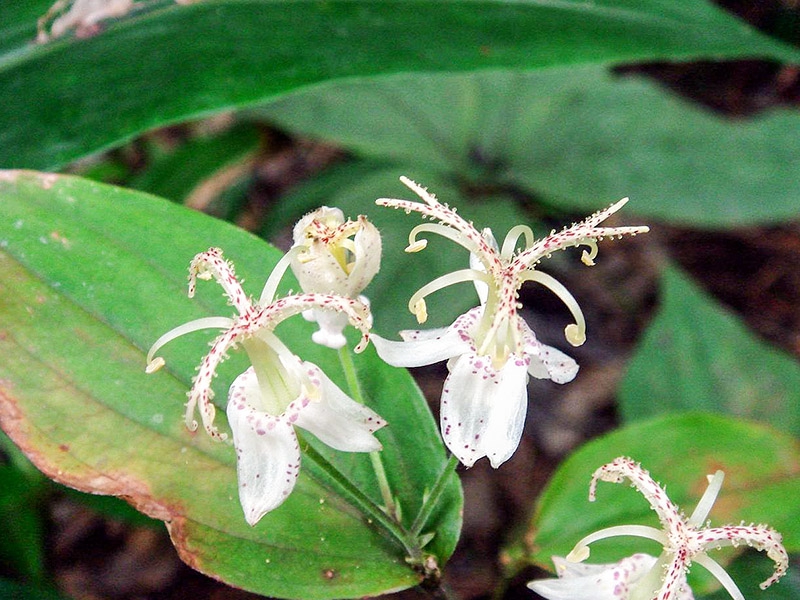
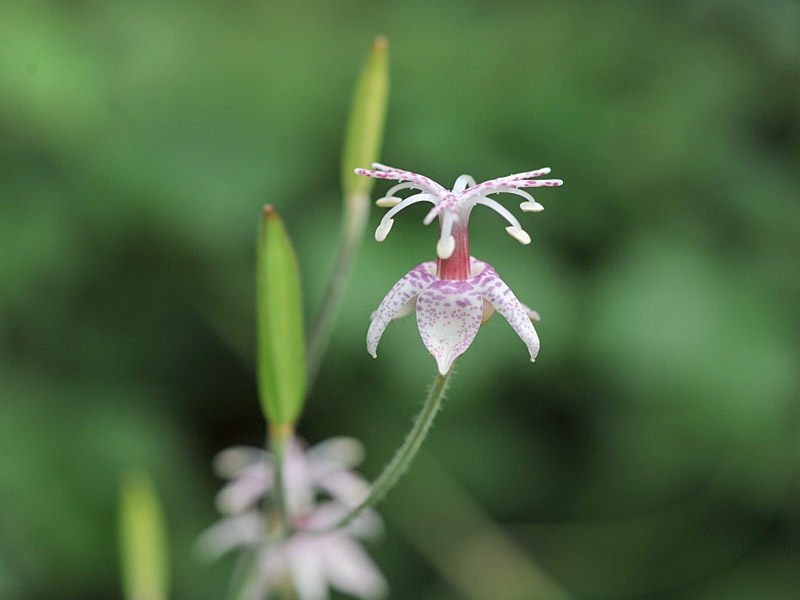
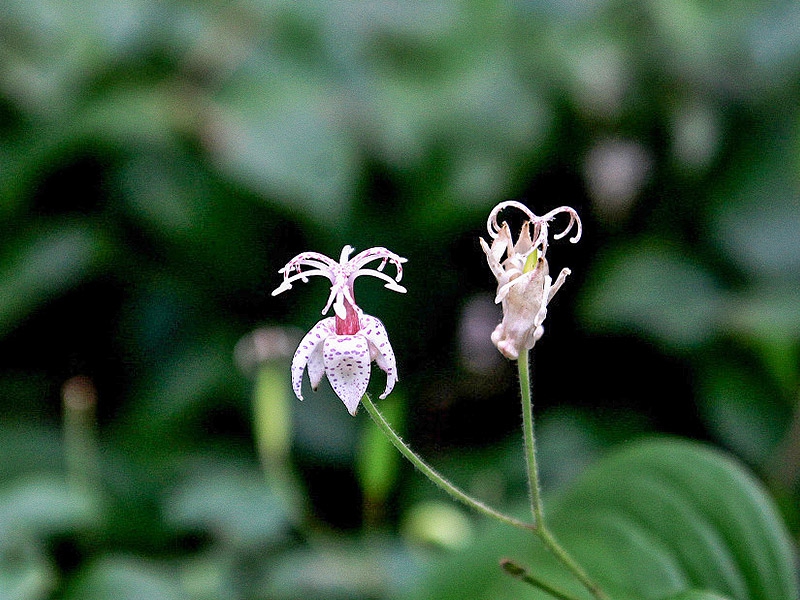
Tricyrtis macropoda is a perennial herb that attracts attention for its unique shape and beautiful flowers. The following outlines the growth characteristics, propagation methods, cultivation methods, garden uses, and important pests and diseases, as well as control methods. Growth Characteristics - Size: Generally grows to about 50–100 cm. - Environment: Thrives in partial shade and prefers moist soil. - Flowering Period: Flowers bloom from late summer to early autumn, typically between August and October. Propagation Methods - Seeds: Harvest ripe seeds in autumn and generally sow them in spring. - Division: Can be propagated by dividing roots in spring or autumn. Cultivation Methods - Soil: Prefers well-drained and fertile soil. - Watering: Avoid excessive moisture; it is best to water sufficiently while maintaining humidity. - Fertilizer: It is beneficial to apply a small amount of organic fertilizer during the growing season. Uses in the Garden - The cuckoo lily can add a focal point to your garden with its unique flower shape. It thrives in partial shade, so it is best planted under trees or in a slightly shaded flower bed. Important Pests and Diseases & Control Methods - Diseases: Fungal diseases (such as gray mold) may occur, so be careful to avoid overwatering and ensure good ventilation. - Pests: Aphids and snails may be present; periodic use of insecticides and fungicides is recommended for control. Removing snails by hand is also an effective method. By referring to this information and properly caring for the cuckoo lily, you will be able to maintain a healthy and beautiful plant.
Plant Type
Plant Family
Lily family
Height
50cm
Spread
Colors
purple
Bloom Period
July
Water Needs
commonly
Exposure
semi-shaded area
Freezing Resistance
-10°C
Leaf-bearded moss, Crispulum
Trichostomum crispulum
Cuckoo Lily 'Shinonome'
Tricyrtis formosana 'Sinonome'