English
한국어
English
Español
中文
हिंदी
Home
News
Community
Dictionary
English
한국어
English
Español
中文
हिंदी
View list
dodder
Cuscuta australis
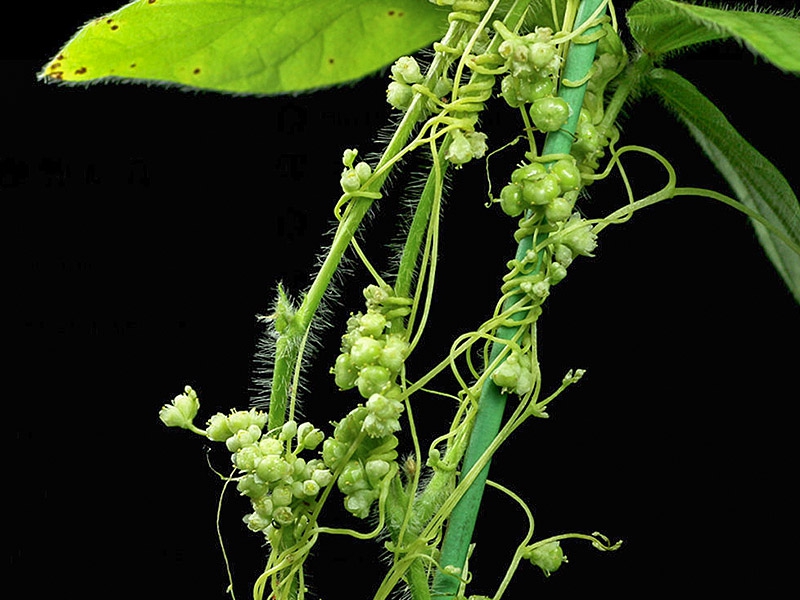
Cuscuta australis is a parasitic plant primarily found in the Korean Peninsula and East Asia. The following is information regarding the plant's growth characteristics, propagation methods, cultivation methods, garden uses, major pests and diseases, and control methods. Growth Characteristics - Morphology: Cuscuta australis is a parasitic plant with a unique form, lacking leaves and featuring thin, thread-like stems. - Growth Environment: It thrives in temperate climates and obtains nutrients by parasitizing other plants. - Parasitism: It typically parasitizes various dicotyledonous plants. Propagation Methods - Seed Propagation: It reproduces by seeds, which can easily spread to other regions by wind or animals. - Germination Conditions: Suitable humidity and temperature are required for germination. Cultivation Methods - Cuscuta australis is not typically cultivated as a general agricultural or garden plant; it is primarily grown for research or observation purposes. - Management: Selective management and removal are necessary as it can harm other plants. Use in the Garden - Since dodder is generally considered a harmful plant in gardens, it is typically targeted for weeding rather than intentional cultivation. Important Pests and Control Methods - Pests: It does not exhibit resistance to specific pests. - Control Methods: - Remove plants parasitized by dodder or cut the dodder directly to remove it. - For ecological control, it is important to promote the healthy growth of host plants to prevent parasitism. - To prevent excessive spread, it is recommended to physically remove the dodder before it invades the garden or during the early stages of infestation. Please use this information as a reference for the management and control of dodder.
Plant Family
Convolvulaceae
Height
50cm
Colors
white, yellow
Bloom Period
July~August
Water Needs
commonly
Exposure
Sunny
Freezing Resistance
-10°C
Once again
Cuscuta japonica
American sedge
Cuscuta campestris