English
한국어
English
Español
中文
हिंदी
Home
News
Community
Dictionary
English
한국어
English
Español
中文
हिंदी
View list
Kianotis Rapidosa
Cyanotis lapidosa
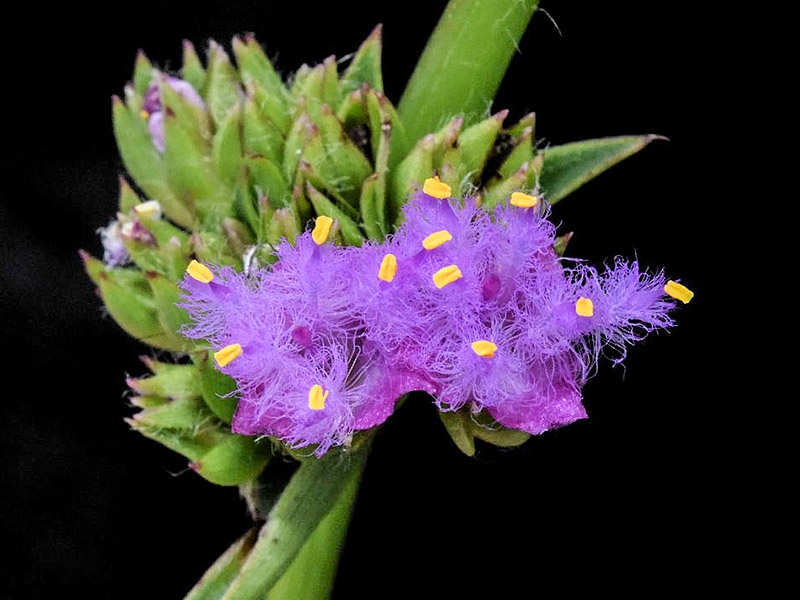
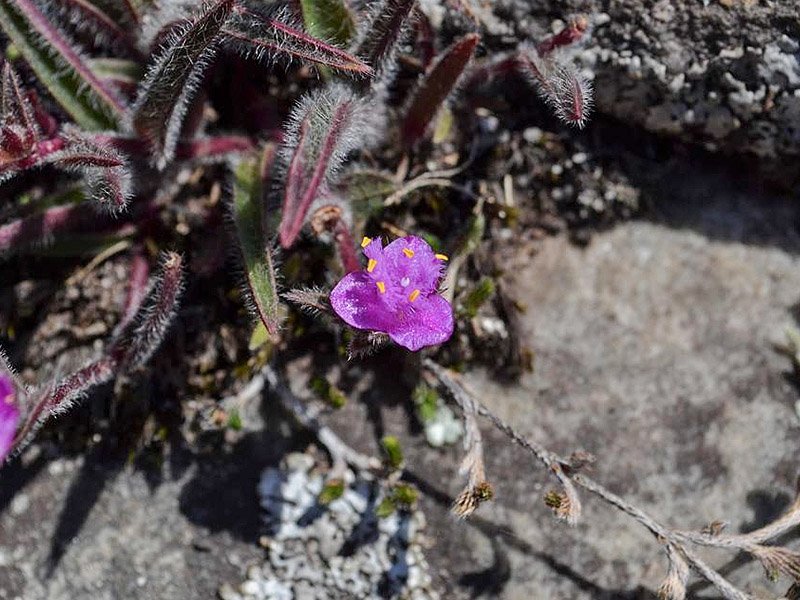
Cyanotis lapidosa is a perennial plant with a unique appearance that is rarely cultivated for ornamental purposes. The following is information about this plant. Growth Characteristics - Ecology: Cyanotis lapidosa grows wild primarily in rocky areas. It prefers environments with plenty of sunlight and thrives even in somewhat dry conditions. - Growth: It grows slowly, reaching a maximum height of approximately 10–20 cm. The leaves are thick and succulent. Propagation Methods - Seed Propagation: It can be propagated by seeds. To increase the germination rate, it is recommended to start the germination process under mild and humid conditions. - Cuttings: Stem cuttings are also a possible propagation method. You can cut off a well-grown stem and place it in water to encourage rooting. Cultivation Methods - Sunlight: Place the plant in a location with plenty of direct sunlight. - Soil: Use well-draining soil, but maintain somewhat dry conditions. - Watering: Water sparingly and wait until the soil is sufficiently dry. Garden Uses - Ornamental: Since it grows to a low height, it is suitable for creating rock gardens or desert-style gardens. - Border Plant: It can be planted along borders to add variety to the landscape. Important Pests and Control Methods - Pests and Diseases: While Chianothi rapidosa is generally resistant to diseases and pests, root rot can occur due to excessive moisture. - Control Methods: To prevent pests and diseases, avoid excessive humidity and grow in a well-ventilated area. If necessary, suitable insecticides or fungicides can be used for pest control. This plant is relatively easy to care for and suitable for beginners; however, it thrives only when a specific growing environment is established, so attention must be paid to the relevant conditions.
Plant Family
Commelina communis
Colors
purple, magenta, pink
Bloom Period
August to October
Water Needs
commonly
Exposure
semi-shaded area
Freezing Resistance
-10°C
Seaside Cuscuta
Cuscuta chinensis
Chiatea Kooperi
Cyathea cooperi