English
한국어
English
Español
中文
हिंदी
Home
News
Community
Dictionary
English
한국어
English
Español
中文
हिंदी
View list
hairy star fern
Cyclosorus parasiticus
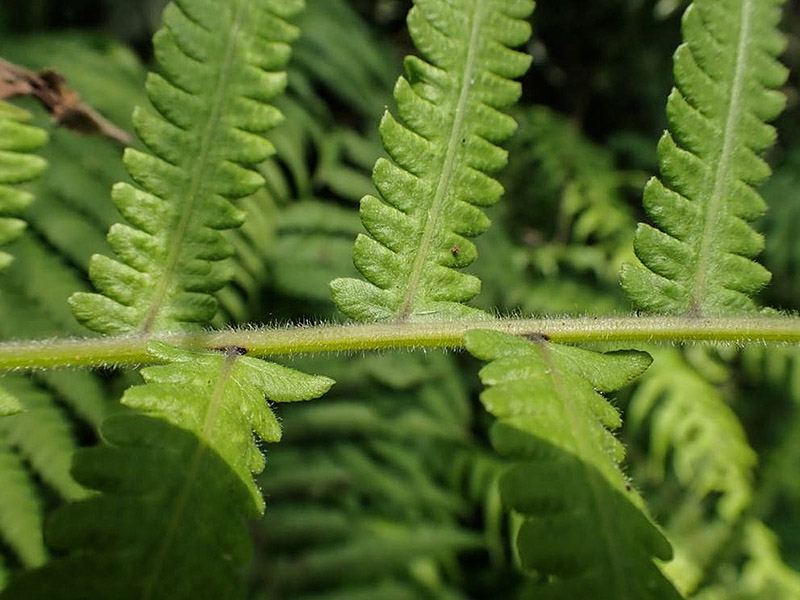
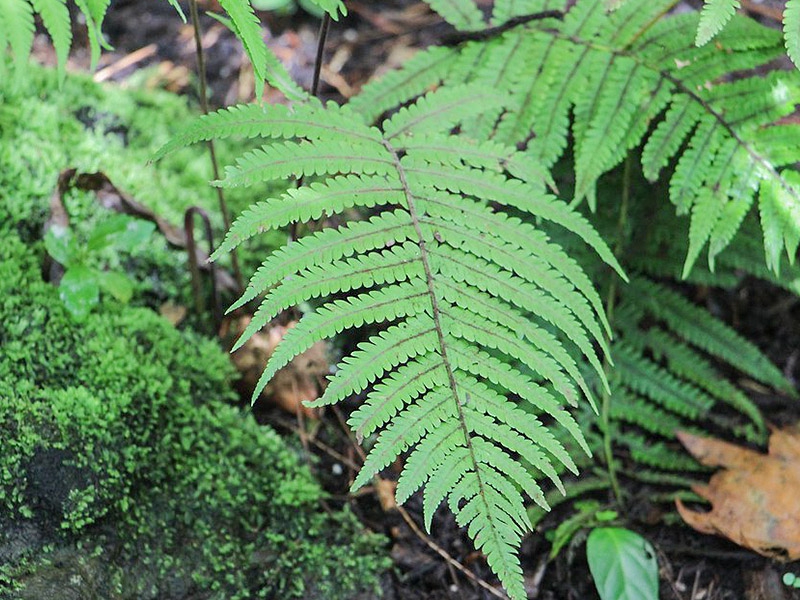
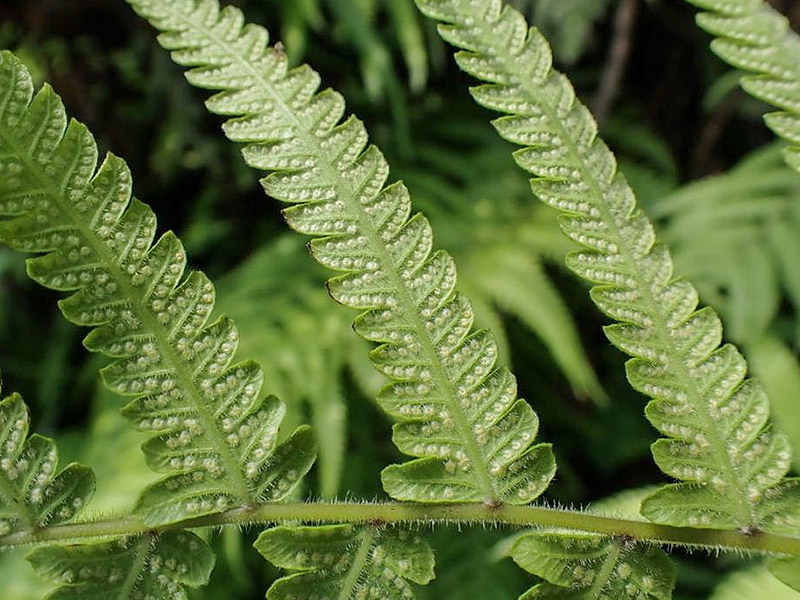
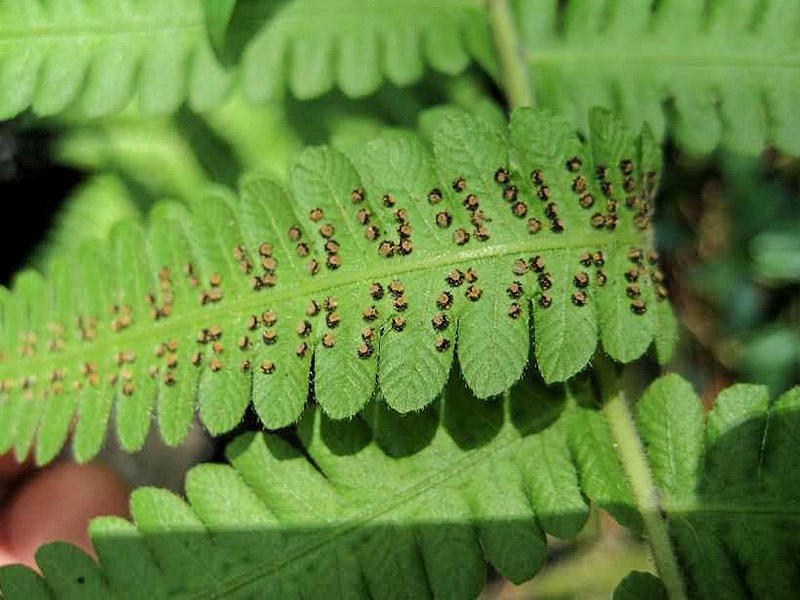
Cyclosorus parasiticus is a fern that grows primarily in tropical and subtropical regions. The following is information regarding this plant's growth characteristics, propagation methods, cultivation methods, garden uses, and major pests and control methods. Growth Characteristics - Habitat: It thrives in humid environments and grows well in partial shade or full shade. It requires high humidity, and well-drained soil is preferred. - Temperature: Since it grows well in tropical and subtropical climates, warm temperatures are required. - Humidity: As it prefers high humidity, air humidity must be maintained. Propagation Methods - Spore Propagation: It generally reproduces by spores. Once mature spores are released, they can be collected and propagated. - Sporophyte Care: Germinated sporophytes must be maintained with sufficient humidity and an appropriate temperature to grow healthily. Cultivation Methods - Soil Preparation: Prepare well-draining soil rich in leaf mold. - Planting: Select a shady location and plant at appropriate intervals. - Watering: Water regularly to keep the soil moist, but pay attention to drainage. Uses in the Garden - Landscaping Plant: Due to its unique leaf shape, it is widely used as a garden ornament. - Seaside Part: Planted in shady gardens or near water, it provides a cool atmosphere. Important Pests and Control Methods - Diseases: Generally, there are no specific diseases, but care must be taken to prevent root rot caused by overwatering. - Pests: Spider mites or scale insects may occur. - Control: Spider mites can be controlled using soapy water or purified water, while scale insects can be physically removed or treated with specialized insecticides. Based on this information, try to create an environment where you can grow healthy Parasiticus ferns.
Plant Family
Myeonma-gwa
Height
50~100cm
Colors
sporophyte
Bloom Period
June to September (spore period)
Water Needs
commonly
Exposure
semi-shaded area
Freezing Resistance
-10°C
Big star fern
Cyclosorus penangianus
Black star fern
Cyclosorus interruptus