English
한국어
English
Español
中文
हिंदी
Home
News
Community
Dictionary
English
한국어
English
Español
中文
हिंदी
View list
hairy quince
Cydonia oblonga
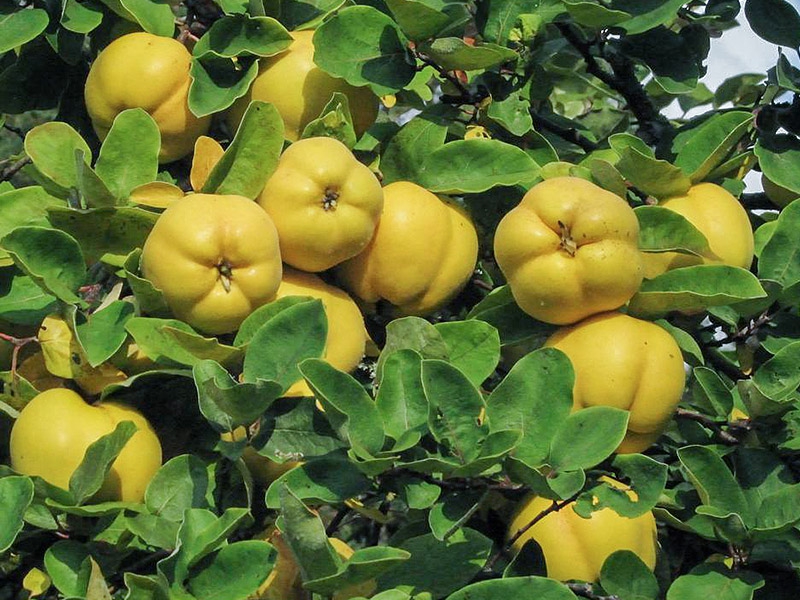
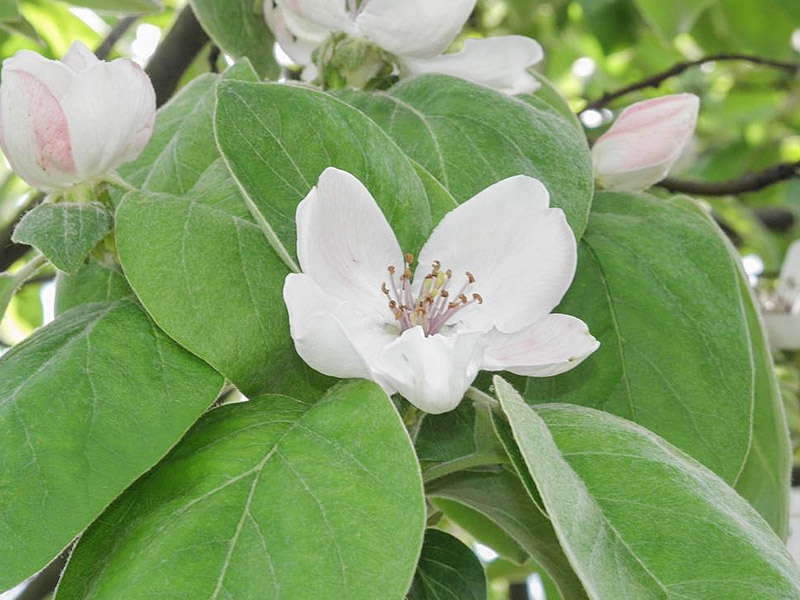
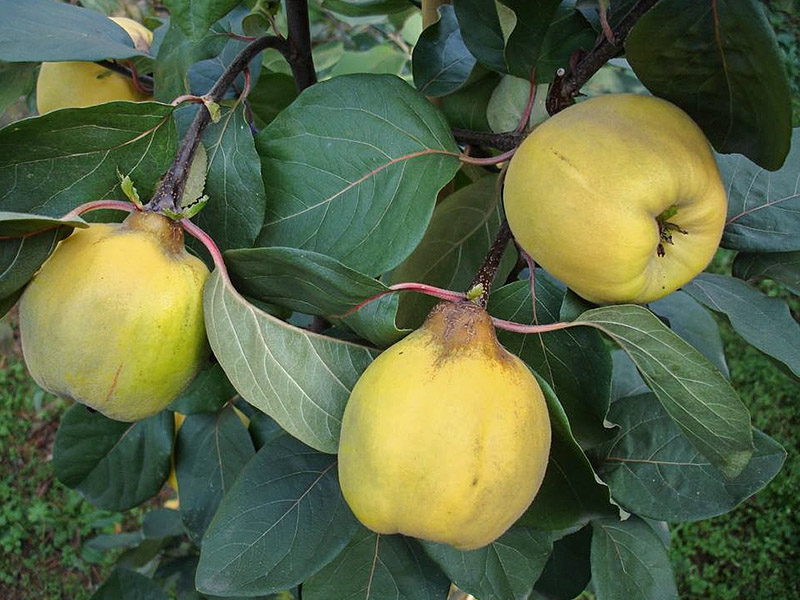
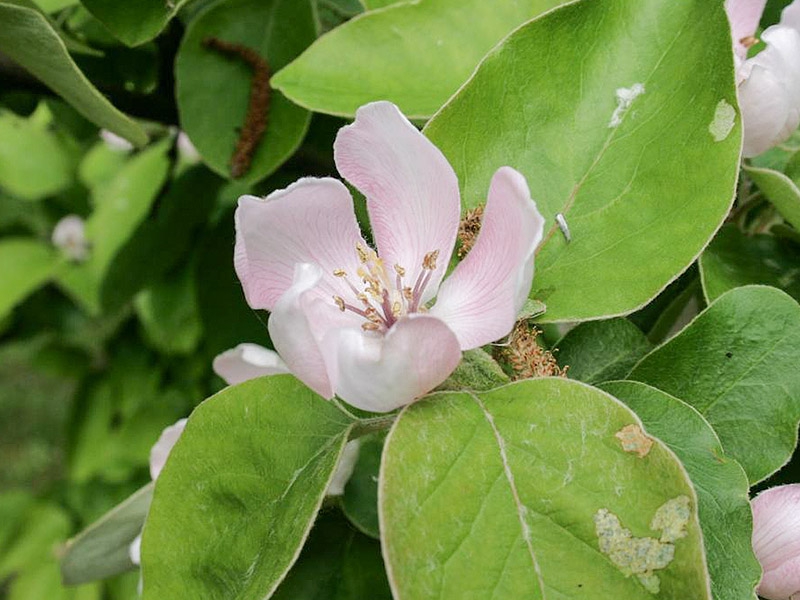
Cydonia oblonga has the following growth characteristics, propagation methods, cultivation methods, garden uses, major pests and diseases, and control methods. Growth Characteristics - Height and Size: Mature trees grow to a height of approximately 3 to 5 meters, making it a relatively small tree. - Leaves and Flowers: Leaves are arranged alternately and are broad and rounded oval-shaped. Flowers bloom in the spring and are white or light pink. - Fruit: Fruit ripens in the autumn, is yellow, and is pear-shaped or oval. Propagation Methods - Seeds: Seed germination is possible, but the germination rate is low, which may result in reduced propagation efficiency. - Grafting: It is often propagated by grafting onto another tree of the same pear family. - Cuttings: It can be propagated by cutting young branches, but the success rate may be low. Cultivation Methods - Soil and Drainage: It thrives in well-drained soil with a high organic matter content. - Sunlight: It prefers sunny locations. - Watering: Be careful not to overwater, but ensure the soil does not dry out. Garden Uses - Ornamental Tree: Due to its beautiful spring flowers and yellow autumn berries, it is suitable as an ornamental tree in gardens and parks. - Practical Uses: The berries can be made into jam or jelly. Major Pests and Control Methods - Pests and Diseases: It is mainly susceptible to brown spot, canker, and fungal diseases. - Control Methods: To prevent pests and diseases, prune regularly and use fungicides at appropriate intervals. If mold occurs, remove the affected leaves and disinfect the affected area. - Pests: Be wary of leaf beetles and aphids; if found, spray insecticide immediately to control them. The hairy quince Oblonga is relatively easy to care for, but requires proper maintenance and can be utilized in various ways.
Plant Family
Rosaceae
Height
5~8m
Colors
white
Bloom Period
May
Water Needs
commonly
Exposure
Sunny
Freezing Resistance
-15°C
Star fern
Cyclosorus acuminatus
Kilindrophyllum calamiforme
Cylindrophyllum calamiforme