English
한국어
English
Español
中文
हिंदी
Home
News
Community
Dictionary
English
한국어
English
Español
中文
हिंदी
View list
Daeheungran
Cymbidium macrorhizon
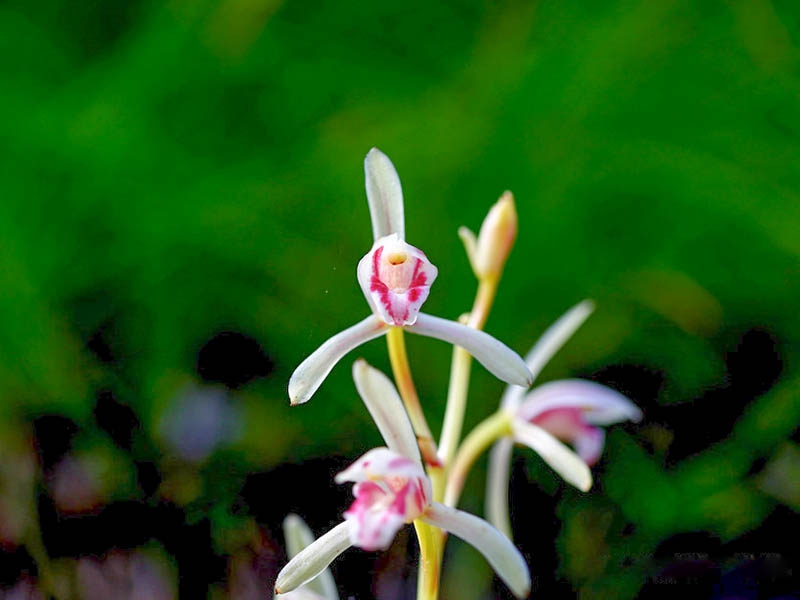
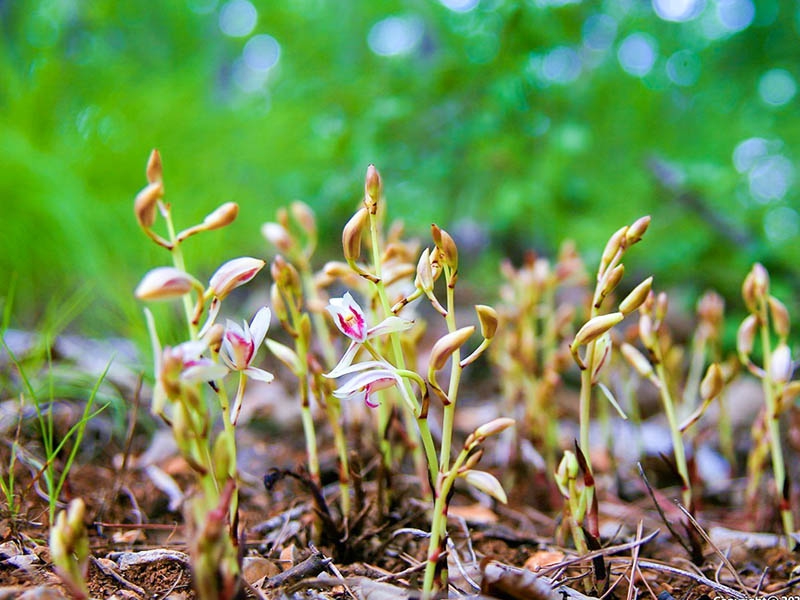
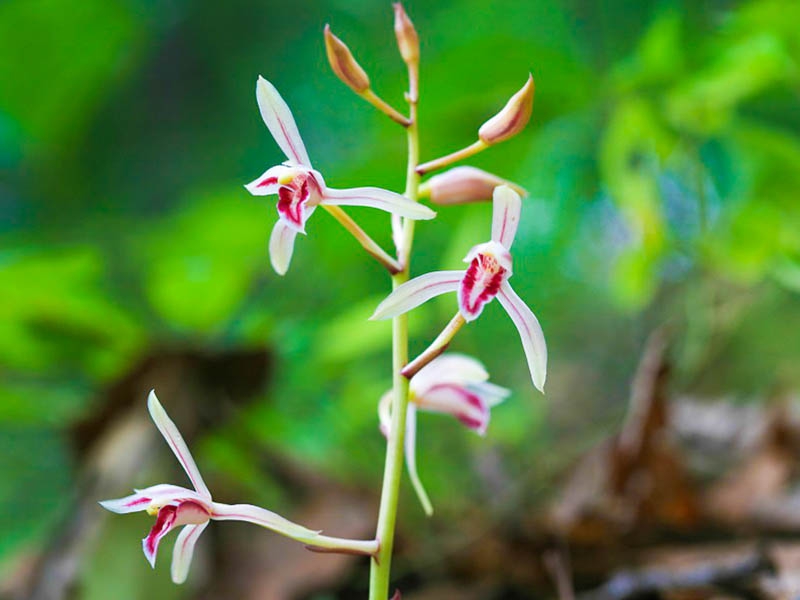
I will explain the growth characteristics, propagation methods, cultivation methods, garden uses, and major pests and diseases and control methods for the orchid Cymbidium macrorrhizum. Growth Characteristics - Environment: Cymbidium macrorrhizum thrives in warm and humid environments. A temperature of 18–25°C is suitable, and it prefers indirect light. - Soil: It grows well in well-drained soil and prefers neutral to slightly acidic soil acidity. - Humidity: High humidity is important, and regular misting may be necessary to maintain air humidity. Propagation Methods - Seed Propagation: Propagation by seeds is time-consuming and often requires specialized orchid knowledge. - Division: A more common method involves dividing the root ball of a mature plant. It is important to divide healthy roots without damaging them. Cultivation Methods - Watering: Water only when the soil is dry and avoid excessive moisture. - Fertilizer: During the growing season, it is recommended to use properly diluted orchid-specific fertilizer once every two weeks. Uses in the Garden - Placement: In the garden, it can be grown indoors in pots or in outdoor flowerbeds in warmer regions. - Ornamental: It has high decorative value in the garden due to its beautiful flowers and unique leaf shape. Important Pests and Control Methods - Pests and Diseases: It is primarily attacked by spider mites and scale insects, which may cause leaf discoloration or stunted growth. - Control Methods: Regularly inspect the leaves to detect early signs of pests. If necessary, use appropriate insecticides; for eco-friendly methods, you can try using soapy water or natural oils. We hope this information helps you cultivate your Macrorhizome orchid healthily.
Plant Family
Orchid family
Height
10~30cm
Colors
White, pink, purple
Bloom Period
July~August
Water Needs
commonly
Exposure
semi-shaded area
Freezing Resistance
-10°C
Deboniatum orchid
Cymbidium devonianum
Hanran
Cymbidium kanran