English
한국어
English
Español
中文
हिंदी
Home
News
Community
Dictionary
English
한국어
English
Español
中文
हिंदी
View list
Large cell snail
Cynanchum volubile
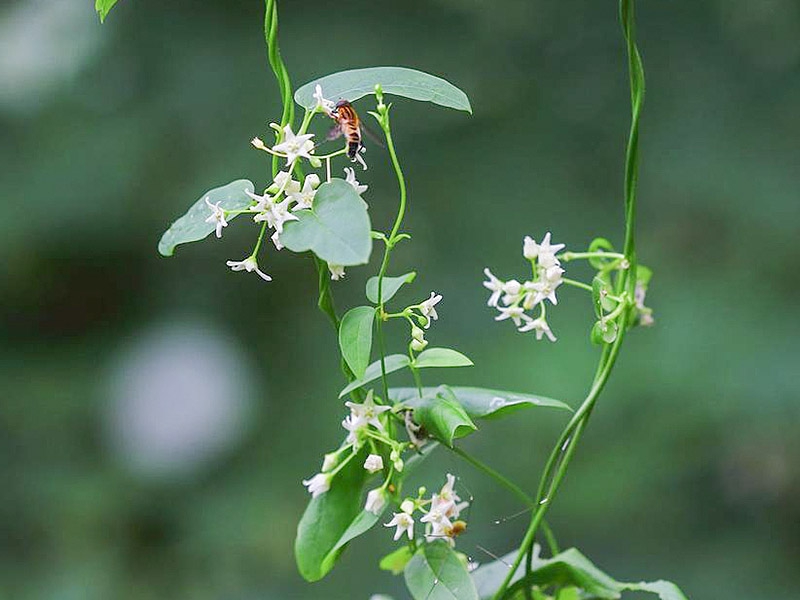
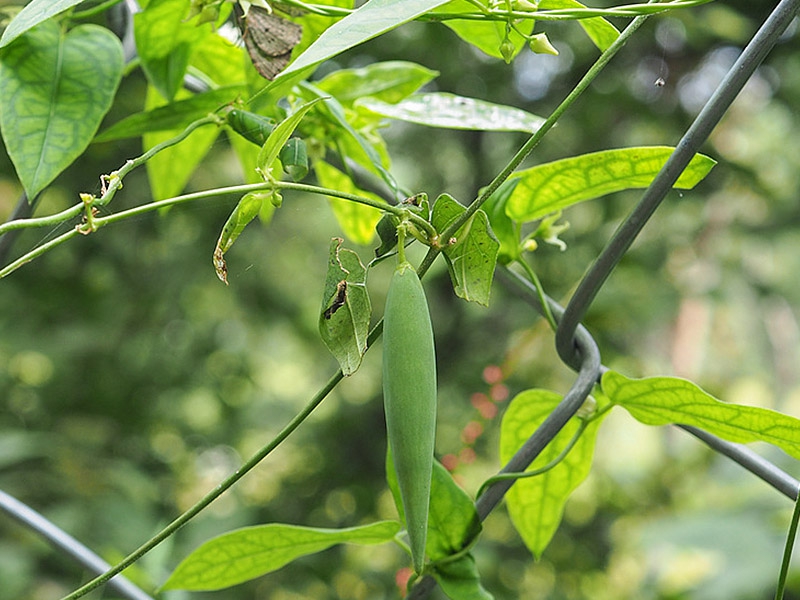
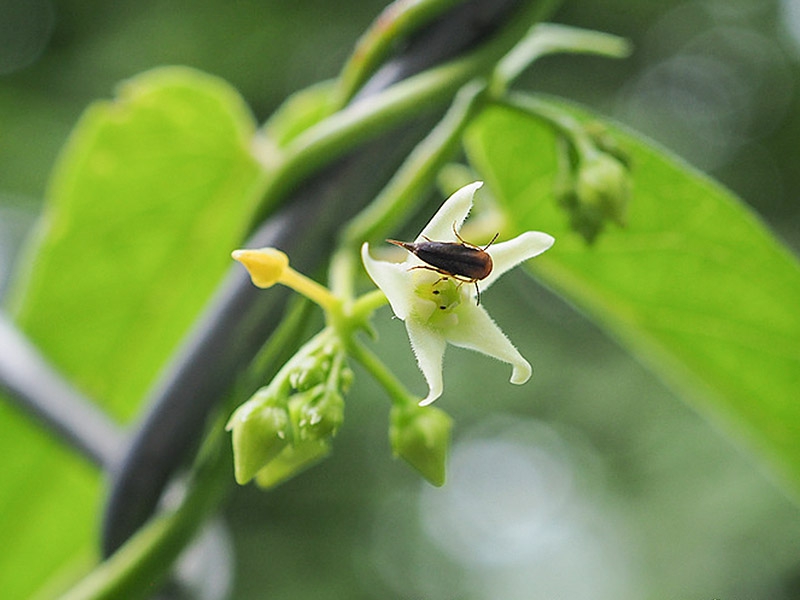
Cynanchum volubile is a well-known vine that grows primarily in tropical and subtropical regions. The plant's main growth characteristics, propagation methods, cultivation methods, garden uses, and major pests and diseases, as well as control methods, are as follows: Growth Characteristics - Sunlight: It can grow in a variety of environments, ranging from partial shade to full sun. - Soil: It prefers well-drained soil and thrives better in fertile soil. - Water: In general, frequent watering is not necessary, but it is advisable to adjust watering during dry periods. Propagation Methods - Seeds: Propagation is possible using mature seeds, and the germination rate is relatively high. - Cuttings: It can also be propagated by cutting off a healthy vine section and planting it. Cultivation Methods - Planting: Plant in well-drained soil and water thoroughly during the initial stages. - Care: It is recommended to install a support stake to hold the stems during growth. - Nutrition Management: It is appropriate to apply fertilizer restrictively during the growing season. Uses in the Garden- As a vining plant, Celosia voluvile can be used to cover fences or structures. - Its high aesthetic value makes it useful for improving the landscape. Important Pests and Control Methods- Diseases: Excessive humidity can cause mold to form, so caution is advised. - Pests: It may be infested with aphids or spider mites; to prevent this, inspect the leaves regularly and use natural insecticides if necessary. - Control: Ensure adequate ventilation, and provide immediate treatment if pests or diseases occur. By following these growth characteristics and management methods, you can cultivate Celosia voluvile healthily.
Plant Family
Asclepiadaceae
Height
1~3m
Colors
white
Bloom Period
August
Water Needs
commonly
Exposure
semi-shaded area
Freezing Resistance
-10°C
Minbaekmi flower
Cynanchum ascyrifolium
White-flowered Sibiricum
Cynanchum sibiricum