English
한국어
English
Español
中文
हिंदी
Home
News
Community
Dictionary
English
한국어
English
Español
中文
हिंदी
View list
Cynomorium
Cynomorium songaricum
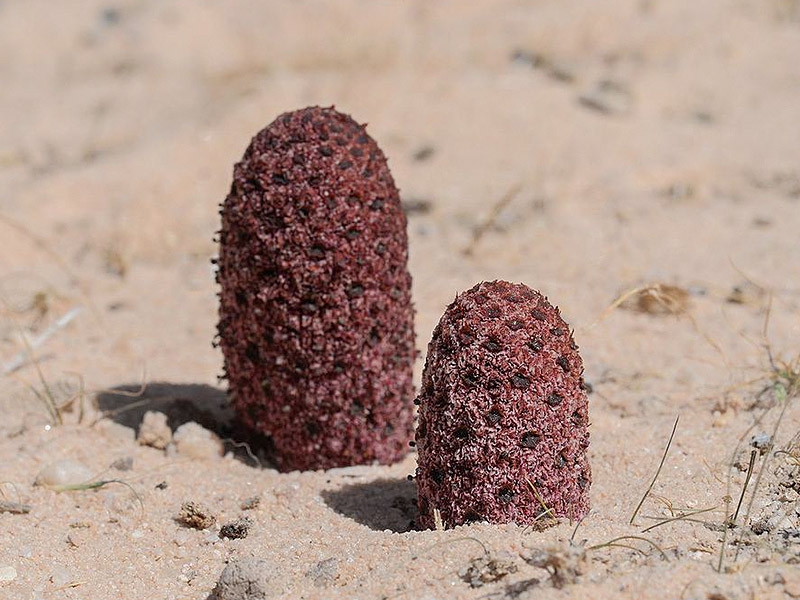
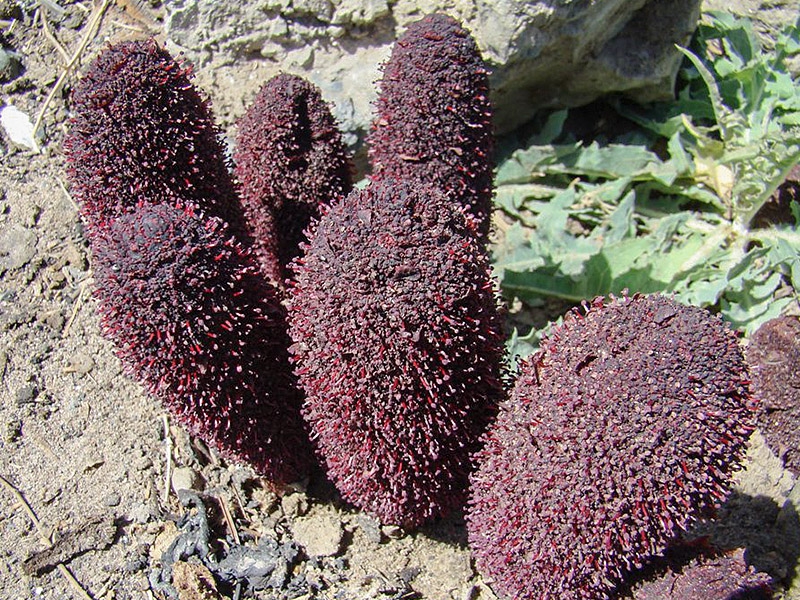
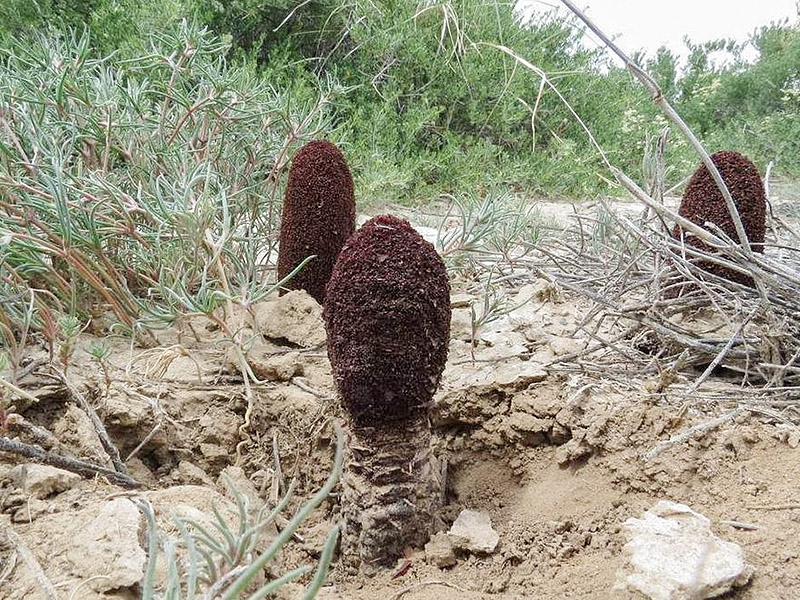
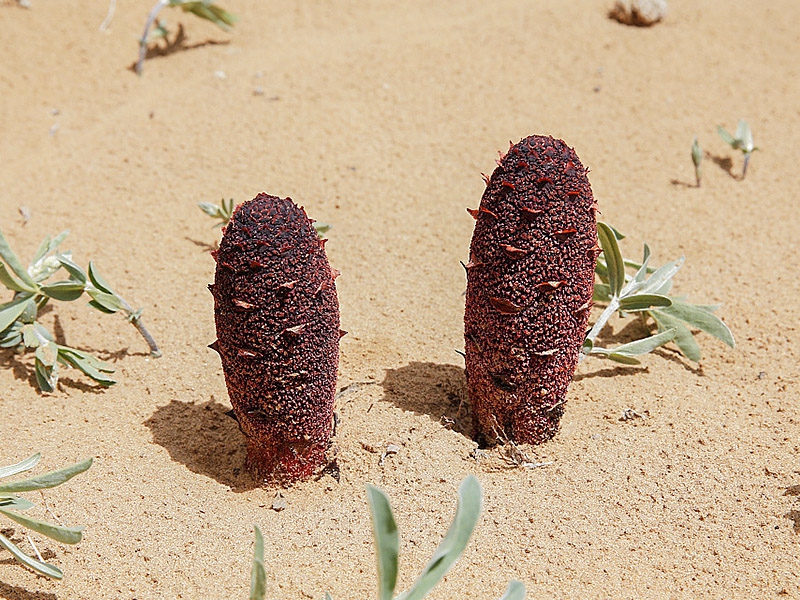
Cynomorium songaricum #Growth Characteristics Cynomorium songaricum is a parasitic plant that grows primarily in dry, sandy regions. It absorbs nutrients through root parasitism. It mainly parasitizes plants such as the Lysimachia japonica or Cysimachia japonica. It features red inflorescences and blooms in the summer. #Propagation Methods Cynomorium songaricum primarily reproduces through seeds. Seeds are dispersed by wind or animals. As a parasitic plant, it can only reproduce effectively in environments with suitable host plants. #Cultivation Methods Cultivating Cynomorium songaricum is more challenging than growing common plants. The main reason is that it requires a host plant capable of parasitism. For successful cultivation, a suitable growing environment with appropriate host plants must be established. - Host Plant Selection: Host plants such as Lysimachia japonica or Cysimachia japonica are required. - Soil Conditions: Well-drained sandy soil is suitable. 3. Temperature and Humidity: It prefers a dry climate, and cultivation is difficult in overly humid environments. #Uses in the Garden Due to its unique appearance, Cynomorium can be used as a decorative element in the garden. However, it is unsuitable as a general garden plant due to the difficulty of cultivation and its nature as a parasitic plant. It is suitable for professional cultivation environments that can meet specific conditions. #Important Pests and Control Methods Cynomorium is relatively resistant to common pests and diseases, but it can be susceptible to various fungal diseases in environments with high humidity and poor ventilation. - Prevention of Fungal Diseases: An environment with good drainage and ventilation must be created. - Physical Removal: If pests or diseases occur, it is important to remove them promptly upon early detection. - Use of Pesticides: Control can be achieved using appropriate pesticides if necessary; however, caution must be exercised regarding pesticide use due to the nature of the parasitic plant. Professional knowledge and experience are required to cultivate Cynomorium effectively. Therefore, it is important to provide an environment that can meet these conditions.
Plant Family
Cistanche family
Height
15~30cm
Colors
red
Bloom Period
May to July
Water Needs
commonly
Exposure
Sunny
Freezing Resistance
-20°C
Chinese forget-me-not
Cynoglossum amabile
small comb-tailed bird
Cynosurus echinatus