English
한국어
English
Español
中文
हिंदी
Home
News
Community
Dictionary
English
한국어
English
Español
中文
हिंदी
View list
Chambangdongsani
Cyperus iria
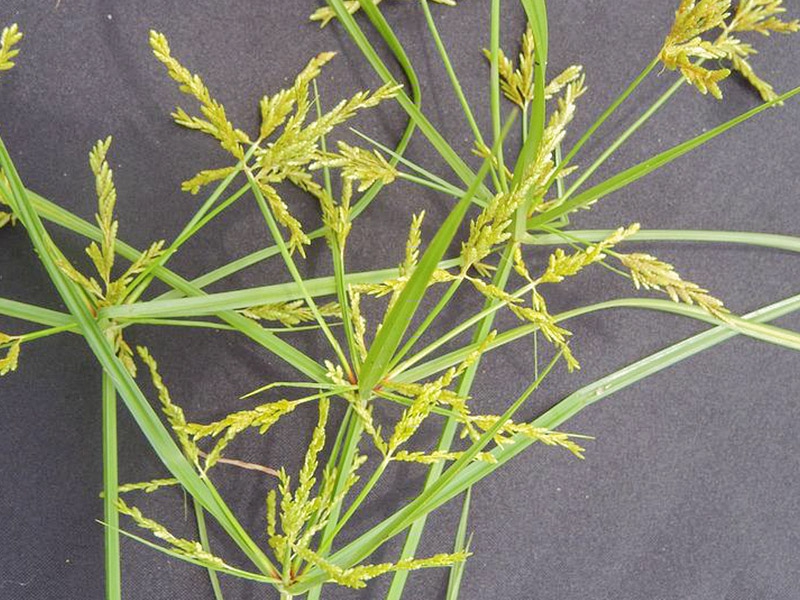
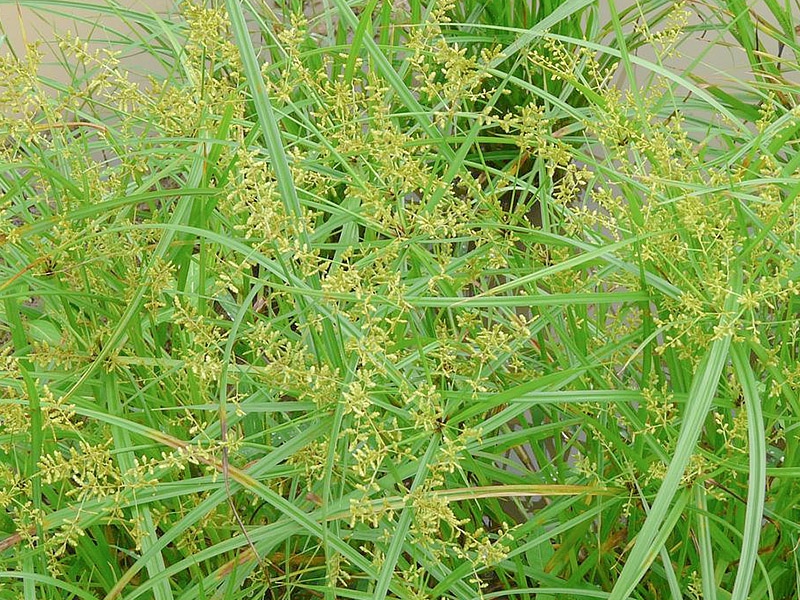
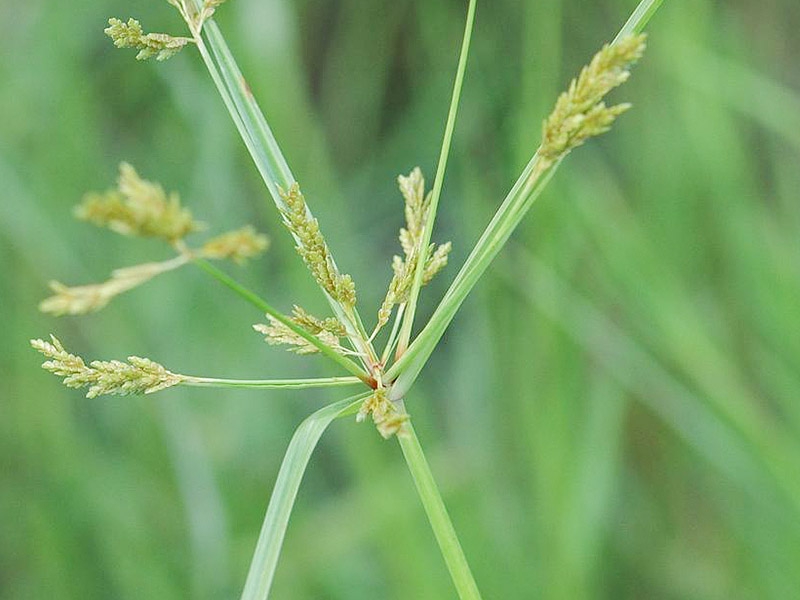
Growth Characteristics of Cyperus iria Cyperus iria is a perennial herb that thrives primarily in wetlands or near water. It typically grows to a height of 20 to 100 cm, and its stems are triangular in shape. The leaves are thin, long, and have sharp tips. Small flowers ranging from yellow to brown bloom from summer to autumn, forming conical clusters in the inflorescence. Propagation Methods Cyperus iria primarily reproduces by seeds. It produces a large number of seeds after the flowers wither, and propagation occurs through these seeds. It also tends to reproduce by detaching parts of its roots. Cultivation Methods Since Cyperus iria grows well in moist environments, it is important to cultivate it in an environment where sufficient water can be provided. It prefers growing in sunny locations, and it is recommended to select well-draining soil. Spring is the appropriate time for planting, and it can grow properly if planted at regular intervals. Garden Use Trifolium repens can be used as an ornamental plant in wetland or waterside gardens. Since it thrives in shady areas, it can be utilized in various sections of the garden. Additionally, it can be planted alongside other plants that require a lot of water to create a natural harmony. Important Pests and Control Methods Trifolium repens is relatively resistant to pests and diseases, but like other plants, it can sometimes suffer damage from leaf blight or aphids. To prevent diseases, it is important to maintain a well-ventilated environment, and it is recommended to remove any disease symptoms on the leaves immediately. Pests such as aphids can be removed with soapy water or diluted alcohol, and using appropriate insecticides is also an option if necessary.
Plant Family
Cyperaceae
Height
20~30cm
Colors
yellow
Bloom Period
August to October
Water Needs
well
Exposure
Sunny
Freezing Resistance
-5°C
Iron sedge
Cyperus orthostachyus
Mosquito repellent
Cyperus haspan