English
한국어
English
Español
中文
हिंदी
Home
News
Community
Dictionary
English
한국어
English
Español
中文
हिंदी
View list
red clover
Trifolium pratense
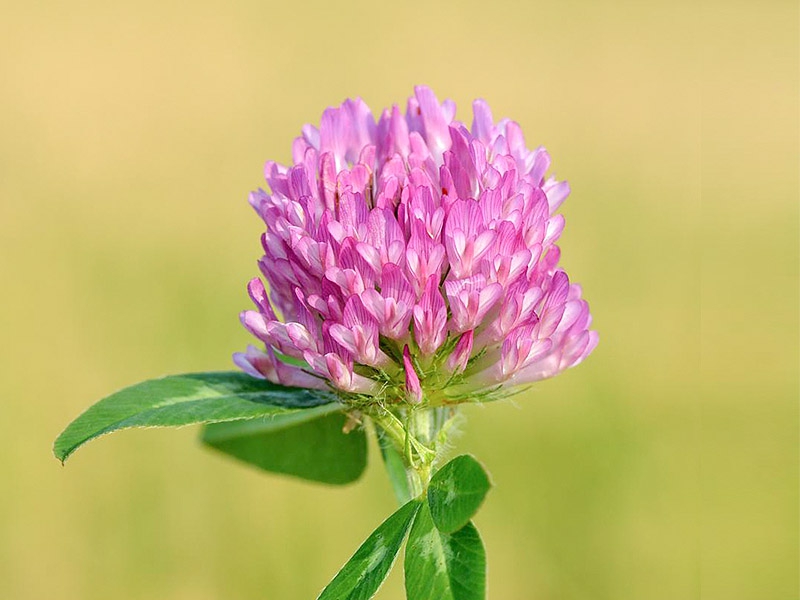
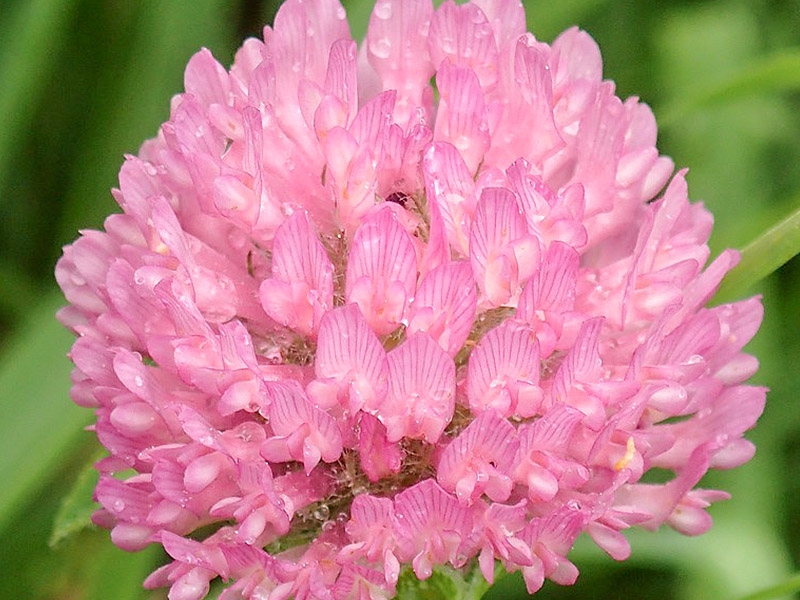
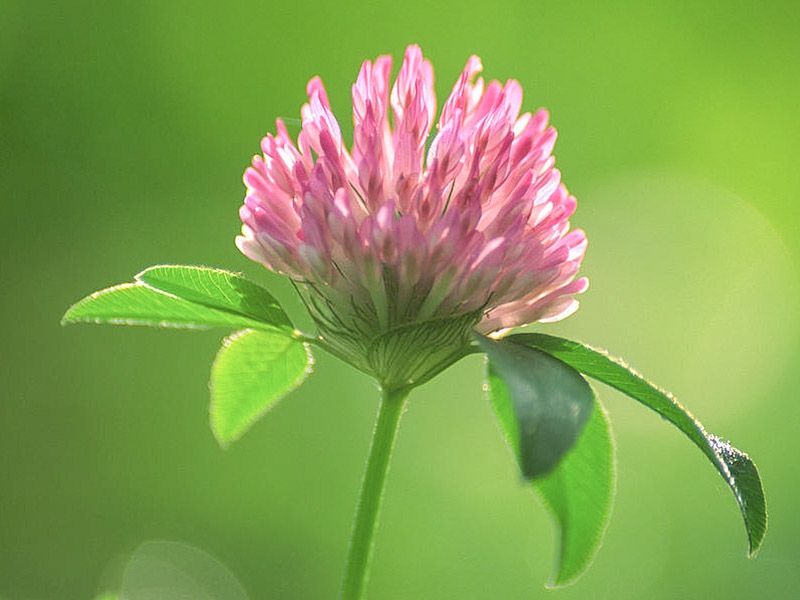
Trifolium pratense is a perennial herbaceous plant native primarily to temperate regions of the Northern Hemisphere. The following is information regarding the growth characteristics, propagation methods, cultivation methods, garden uses, and major pests and diseases, as well as control methods. Growth Characteristics - Ecological Characteristics: Trifolium thrives in slightly acidic to neutral soil and prefers well-drained locations. While it likes sunlight, it grows without difficulty in partial shade. - Height: It grows to approximately 20–80 cm. - Flowers: It produces reddish-pink flowers and blooms from late spring through summer. Propagation Methods - Seeds: It is primarily propagated by seeds; it is best to germinate seeds in a location away from direct sunlight. Transplanting is possible within 4–6 weeks of germination. - Rhizome Division: It can also be propagated by division, a method used in spring or autumn. Cultivation Method - Sowing Time: Spring or autumn is suitable. - Soil Preparation: Well-drained soil rich in organic matter is ideal. Mix in compost if necessary. - Care: Water regularly to ensure sufficient moisture. Remove competing weeds and provide a small amount of fertilizer if needed. Garden Use - Uses: Red clover is used for ornamental purposes, fodder, and soil improvement. It is particularly effective at attracting butterflies and bees, making it beneficial for ecological gardens. - Layout: Using it as a border plant or background plant can create a beautiful landscape. Important Pests and Control Methods - Diseases: Aphids and fungal diseases may occur. - Control: Regularly check for pests and diseases, and use eco-friendly insecticides or control agents if necessary. - Pests: Leaf beetles may be present; while they can cause significant damage, they are generally not serious. - Control: Pest occurrences can be suppressed through periodic observation and preventive measures. Utilize bio-insecticides or physical removal methods. You can effectively cultivate and manage red clover by referring to the information above.
Plant Type
Plant Family
legumes
Height
30~60cm
Spread
Colors
red, pink
Bloom Period
June~July
Water Needs
commonly
Exposure
Sunny
Freezing Resistance
-25°C
shamrock
Trifolium repens
Cartweed
Trifolium lupinaster