English
한국어
English
Español
中文
हिंदी
Home
News
Community
Dictionary
English
한국어
English
Español
中文
हिंदी
View list
Yunsoegobi
Cyrtomium laetevirens
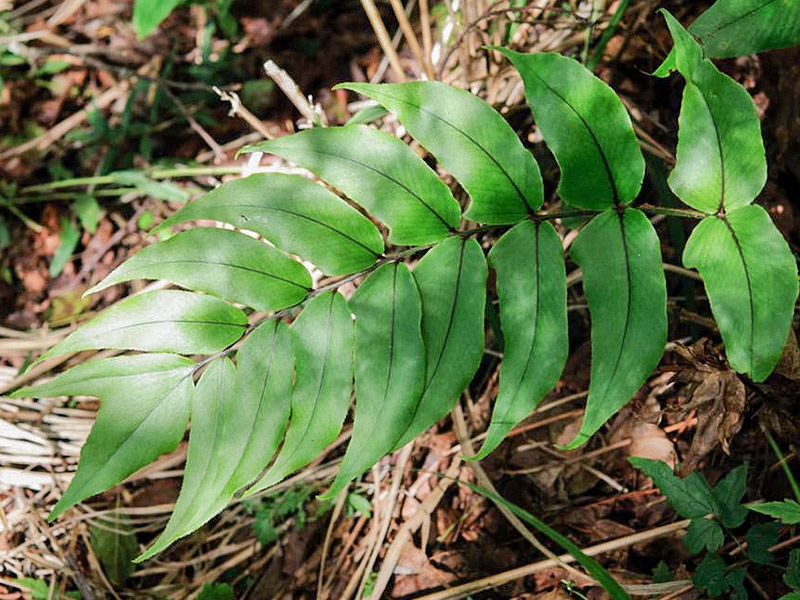
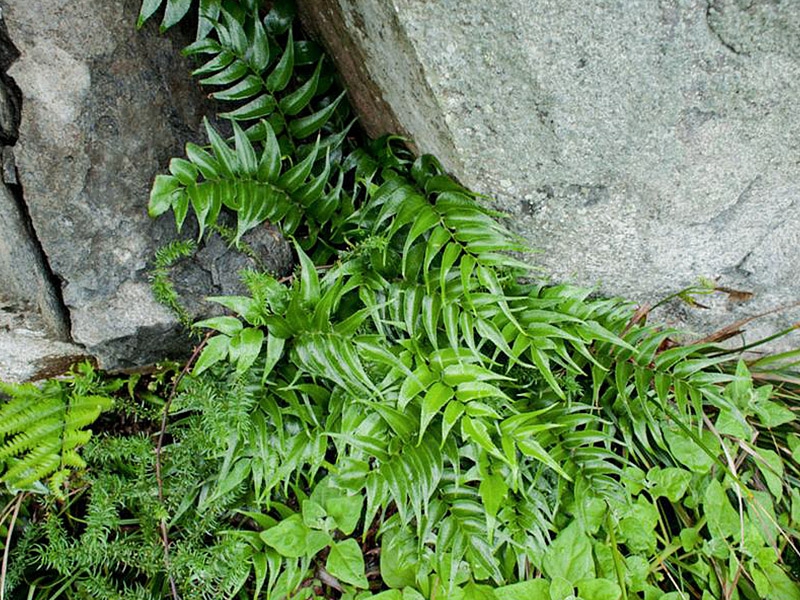
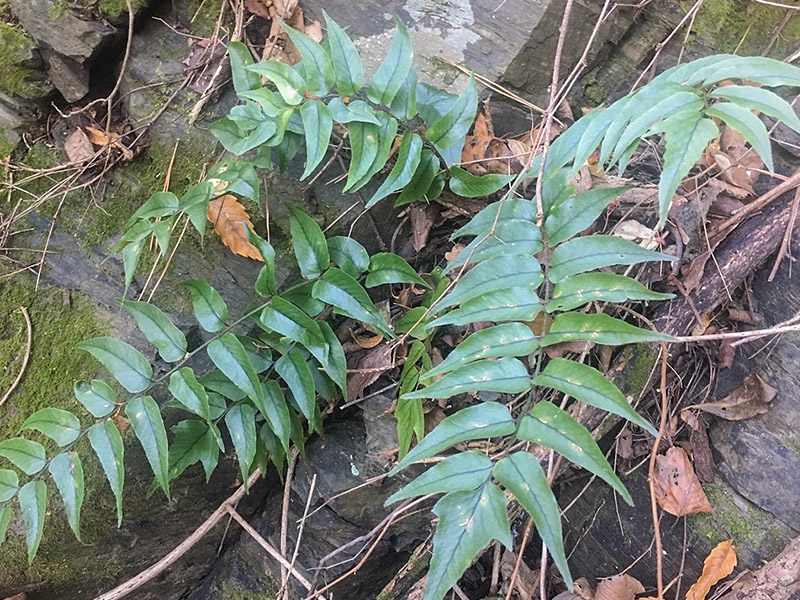
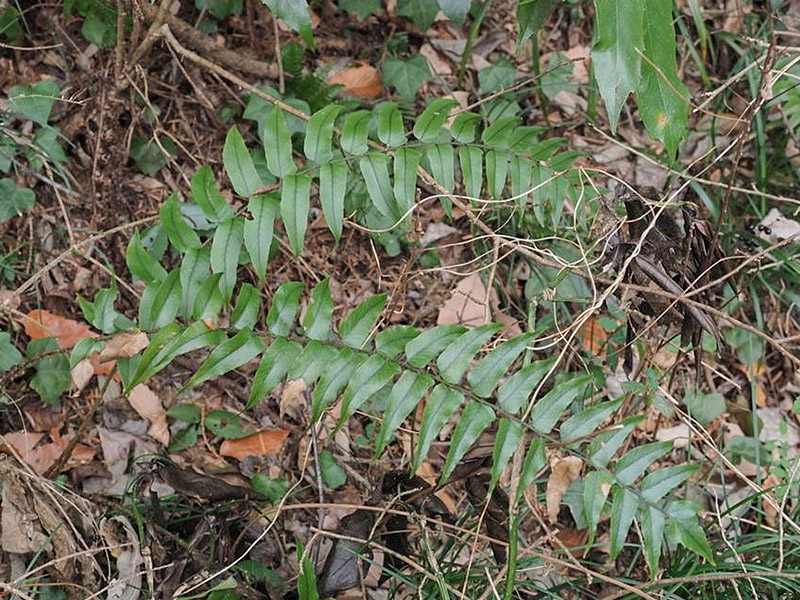
Cyrtomium laetevirens is a fern native to Korea characterized by its relatively short stature and beautiful green leaves. Below is information regarding the growth characteristics, propagation methods, cultivation methods, garden uses, and major pests and diseases, as well as control methods. Growth Characteristics - Environmental Conditions: It thrives in partial shade and prefers moist soil. - Temperature: It grows well in temperate climates and is relatively resistant to cold. - Soil: It grows best in well-drained soil. It thrives in slightly acidic soil. Propagation Methods - Spore Propagation: Cyrtomium laetevirens can be propagated via spores. Spores form brown on the undersides of mature leaves; these are dried and planted. - Root Division: It can also be propagated by dividing the roots. It is recommended to transplant in spring or autumn. Cultivation Methods - Watering: Avoid overwatering and ensure the soil does not dry out. - Fertilizer: Applying a small amount of general fern fertilizer in spring and autumn helps promote growth. - Transplanting Time: Transplant in spring or autumn for optimal growth. Uses in the Garden- Oenothera biennis is suitable for planting in shady gardens, along flowerbed edges, and under trees. - Thanks to partial shade, it thrives even in poor light conditions and is excellent for ornamental purposes. Important Pests and Control Methods - Diseases: Oenothera biennis is generally resistant to disease, but root rot can occur in environments with poor drainage. Proper drainage management is crucial to prevent this. - Pests: While there are few pests that cause major problems, aphids or snails may appear on the leaves. Natural insecticides can be used if necessary. We hope this information helps you grow healthy Oenothera biennis.
Plant Family
Myeonma-gwa
Height
60~90cm
Colors
sporophyte
Bloom Period
July to September (spore period)
Water Needs
commonly
Exposure
semi-shaded area
Freezing Resistance
-10°C
Goblin's-eye
Cyrtomium falcatum
Iron Gobi
Cyrtomium fortunei