English
한국어
English
Español
中文
हिंदी
Home
News
Community
Dictionary
English
한국어
English
Español
中文
हिंदी
View list
Handeul fern
Cystopteris fragilis
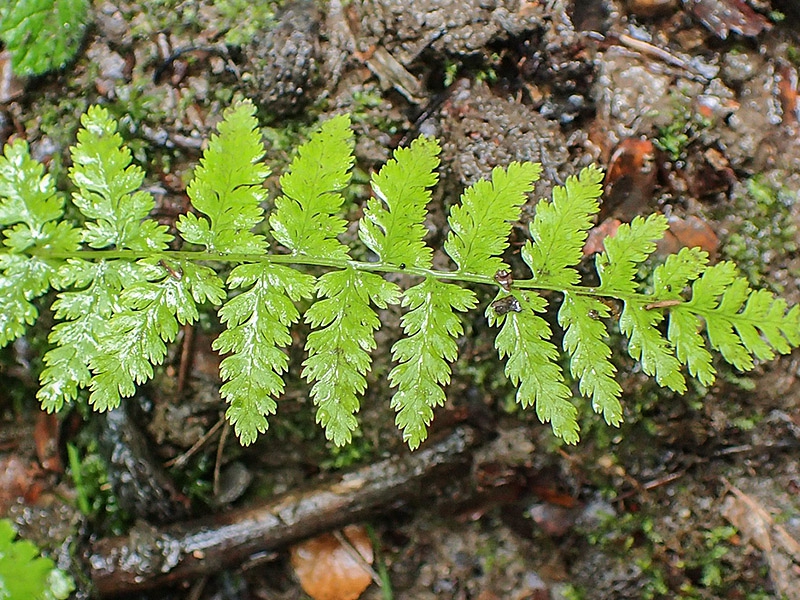
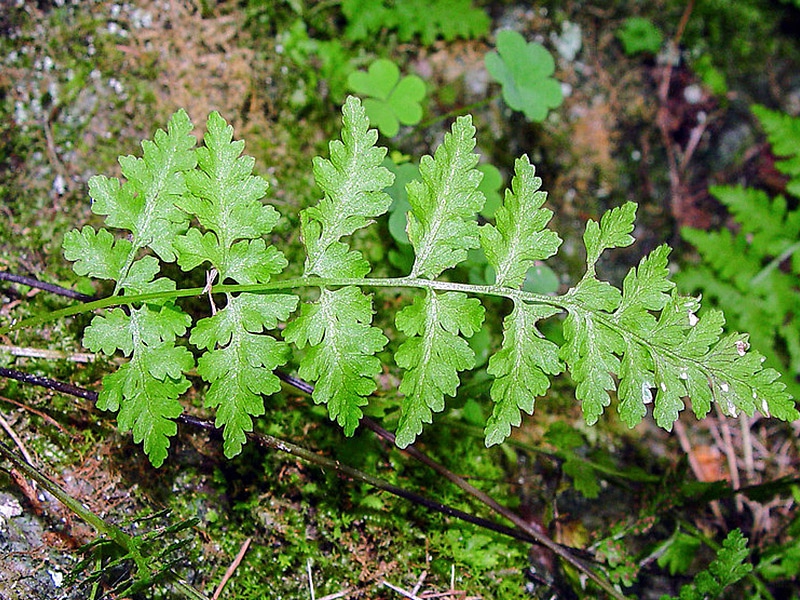
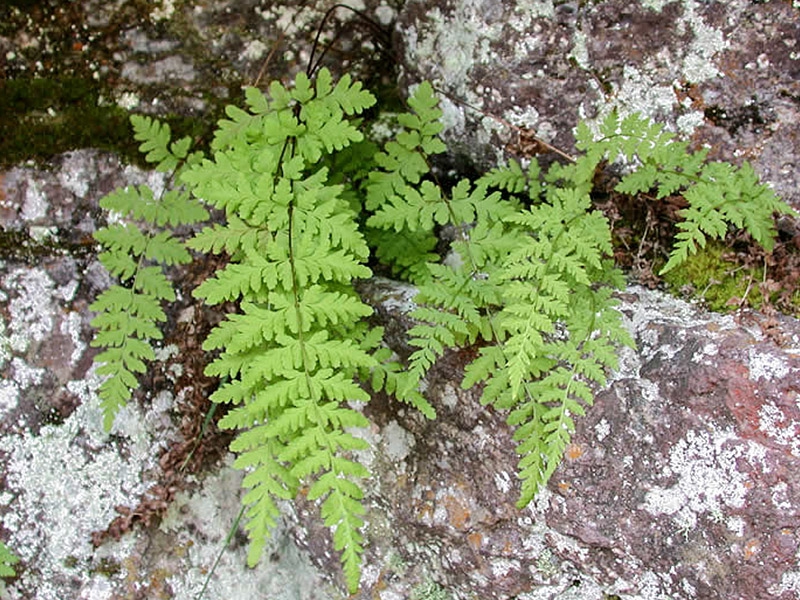
Cystopteris fragilis has the following growth characteristics, propagation methods, cultivation methods, garden uses, major pests and diseases, and control methods. Growth Characteristics - Environment: Cystopteris fragilis thrives primarily in shady areas and prefers moist environments. It is frequently found on forest floors or in rock crevices. - Soil: It grows well in soil rich in organic matter and requires well-drained soil conditions. - Light: It prefers partial shade but can survive in complete shade. Propagation Methods - Spore Propagation: Cystopteris fragilis reproduces by spores. Spores form on the undersides of leaves and can be dispersed by wind to grow into new plants. - Pot Division: It can also be propagated by root division during the early growth stage. Cultivation Methods - Planting: Prepare the growing area by moving the roots and soil together. Maintain adequate moisture and ensure good drainage. - Watering: Water periodically to prevent the soil from drying out. Uses in the Garden - Ornamental: Suitable for natural gardens or shady spots; it is best planted in harmony with other plants. - Ground Cover: Can be used to cover shady and humid areas. Important Pests and Control Methods - Pests and Diseases: Generally resistant to pests and diseases, but leaves may rot due to excessive moisture. - Control Methods: Ensure good drainage and ventilation to prevent mold growth. Organic fungicides can be used if necessary. The information above can be useful for managing and propagating Handeul ferns, and providing a suitable environment is a key factor.
Plant Family
Myeonma-gwa
Height
15~35cm
Colors
sporophyte
Bloom Period
July to September (spore period)
Water Needs
commonly
Exposure
semi-shaded area
Freezing Resistance
-30°C
Wind fern
Cystopteris sudetica
Akistopteris bulbifera
Cystopteris bulbifera