English
한국어
English
Español
中文
हिंदी
Home
News
Community
Dictionary
English
한국어
English
Español
中文
हिंदी
View list
Korean honeysuckle
Cytisus scoparius
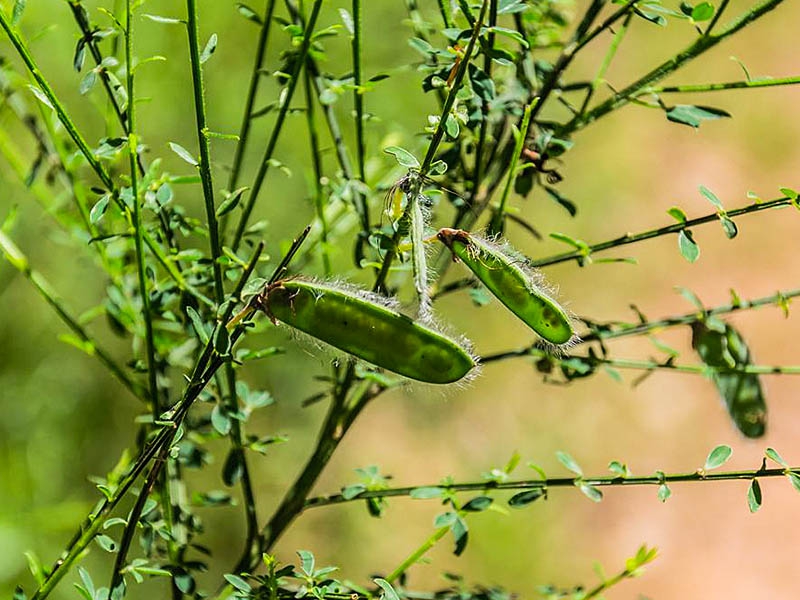
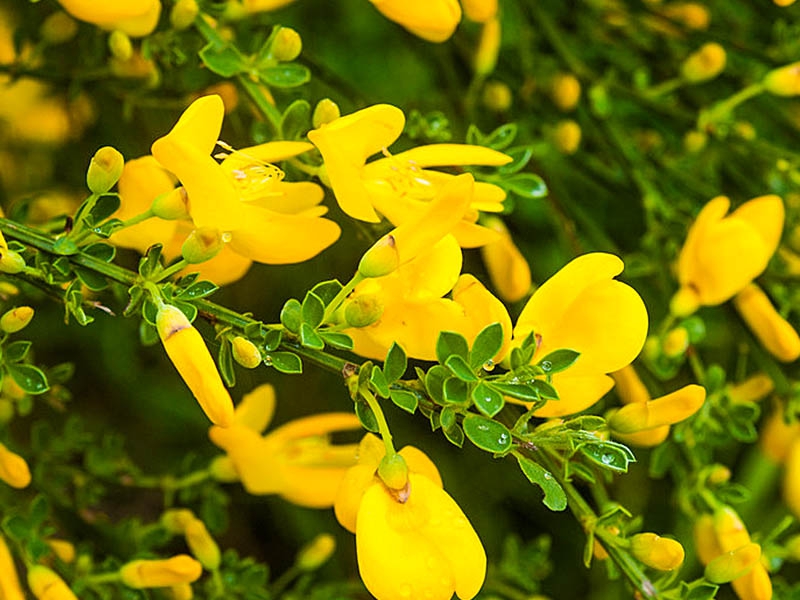
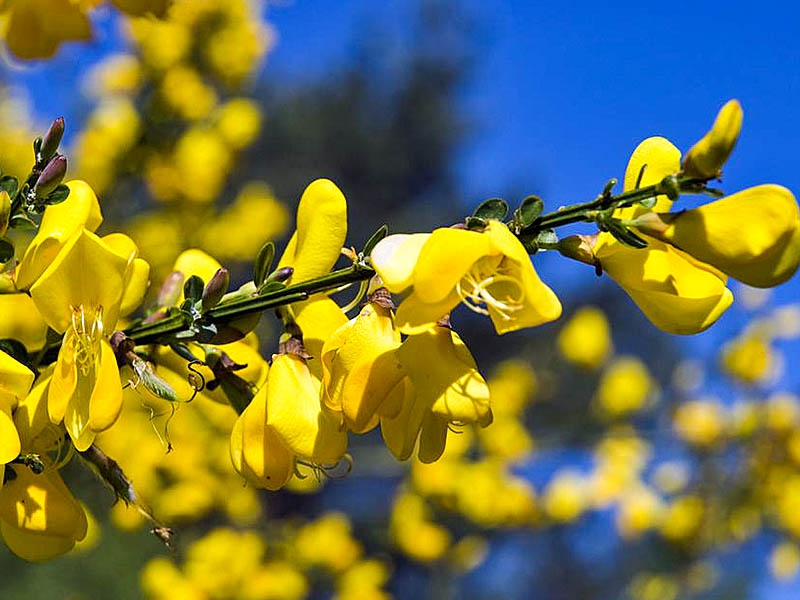
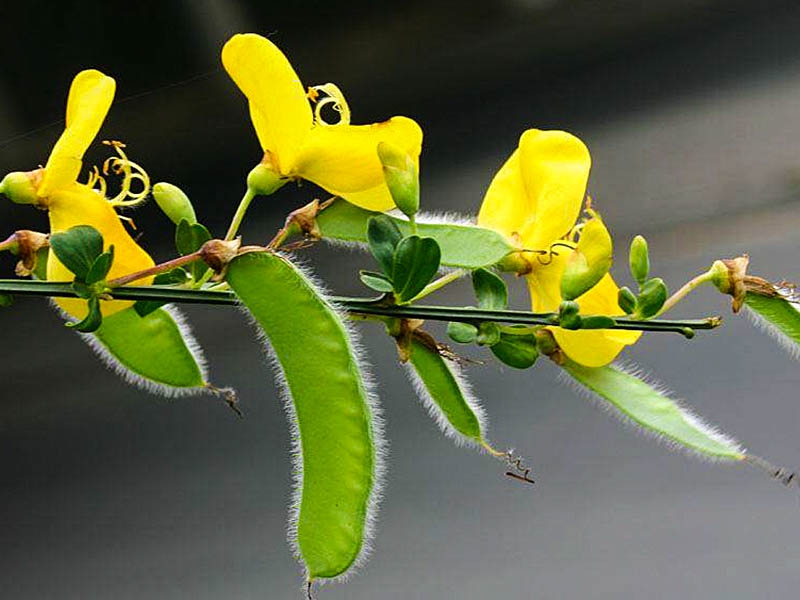
Cytisus scoparius is a deciduous shrub belonging to the legume family, primarily distributed in Europe and Asia. The following is information regarding this plant's growth characteristics, propagation methods, cultivation methods, garden uses, and major pests and diseases and control methods. Growth Characteristics - Height: It typically grows to 1–3 meters, though in rare cases, it can reach up to 4 meters. - Leaves: The leaves are compound, consisting of three leaflets, and are linear or lanceolate in shape. - Flowers: Yellow flowers bloom from spring to early summer and have a slight fragrance. - Growing Environment: It prefers sunny locations and well-drained soil. It grows well in dry environments and poor soil, and thrives particularly in acidic soil. Propagation Methods - Seeds: Seed propagation is common. Seeds can be sown directly in spring or autumn, or germinated indoors and then transplanted. - Cuttings: Cuttings can be attempted in semi-hardwood during the summer. Cultivation Methods - Planting: Ensure sufficient spacing when planting; typically, they are planted 1 to 2 meters apart. - Watering: Regular watering is necessary during dry periods, but excessive moisture should be avoided. - Pruning: Prune branches after the flowers have faded in spring to maintain the shape and promote healthy growth. - Fertilizer: Generally, it does not require fertilizer, but a small amount of slow-release fertilizer may be used if growth is poor. Garden Uses - Landscape Planting: Its beautiful yellow flowers make it suitable for landscape planting. - Hedges: It grows densely, making it suitable for use as a hedge. - Ground Cover: It can be used as a ground cover plant on barren land or sloped areas. Important Pests and Diseases & Control Methods - Diseases: It may be susceptible to root rot or brown spot. Since these diseases primarily occur in overwatered environments, avoid excessive moisture and ensure thorough drainage management. - Pests: Aphids and scale insects are common pests. These pests should be controlled through periodic observation and the use of insecticides when necessary. - Prevention: To grow healthy plants, it is important to maintain proper ventilation and use clean soil. Scoparius is a plant with excellent adaptability to the environment and is relatively easy to care for; with careful management, it can be an excellent choice for cultivating a beautiful garden.
Plant Family
legumes
Height
120~240cm
Spread
120~240cm
Colors
yellow
Bloom Period
May~June
Water Needs
commonly
Exposure
Sunny
Freezing Resistance
-20°C
Red Wings
Cytisus scoparius
'Red Wings'
British honeysuckle 'Hollandia'
Cytisus
×
praecox
'Hollandia'