English
한국어
English
Español
中文
हिंदी
Home
News
Community
Dictionary
English
한국어
English
Español
中文
हिंदी
View list
Velvet persimmon tree
Diospyros blancoi
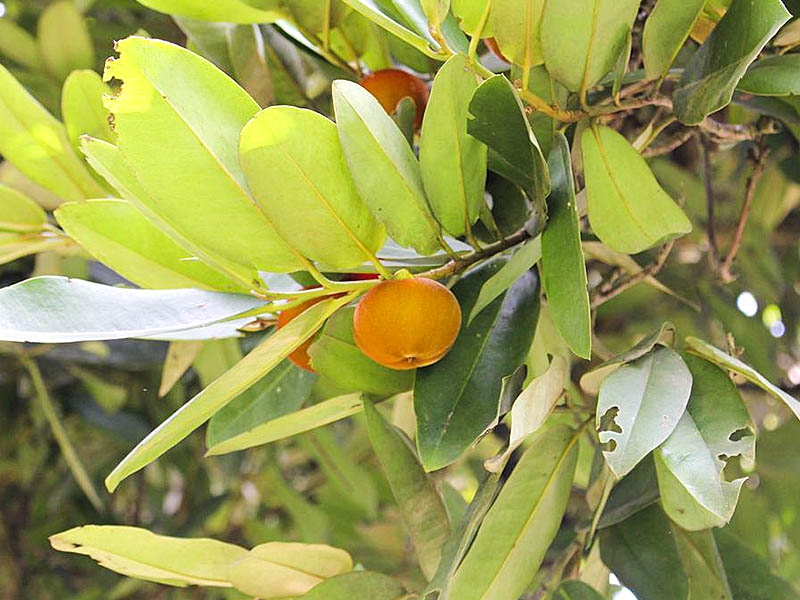
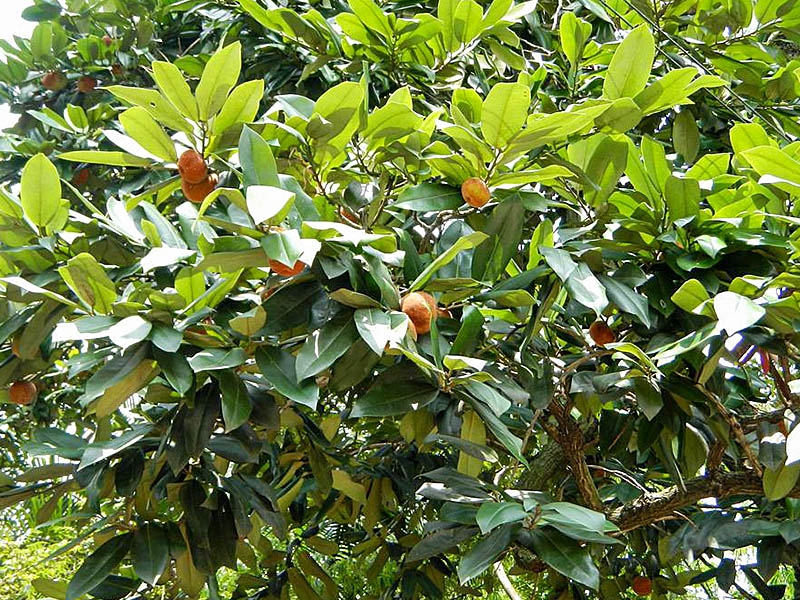
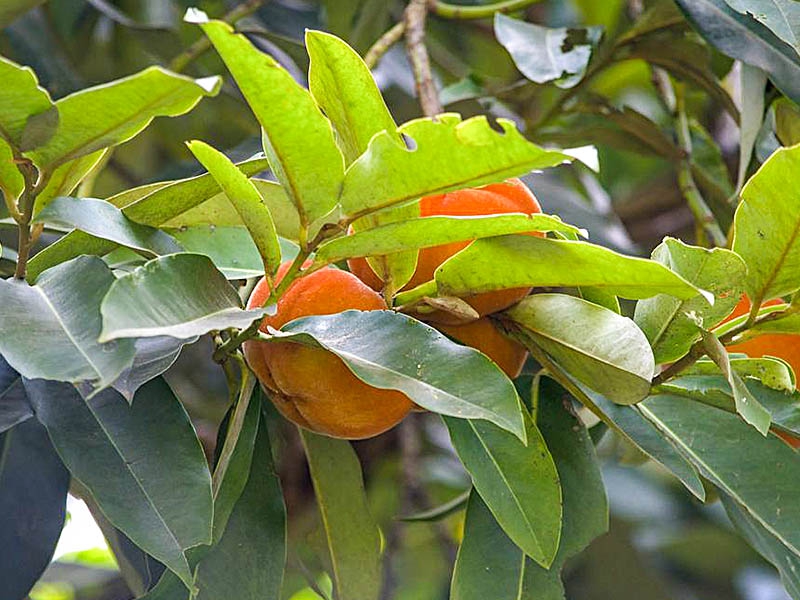
Diospyros blancoi is an evergreen tree that grows primarily in tropical and subtropical regions. Its fruit is sweet and edible. The following is information regarding the growth characteristics, propagation methods, cultivation methods, garden uses, and major pests and diseases, as well as control methods. Growth Characteristics - Temperature: It prefers warm climates and thrives in frost-free regions. The ideal temperature is between 20 and 30 degrees Celsius. - Soil: It grows well in well-drained soil, with a pH of slightly acidic to neutral being suitable. - Sunlight: It requires sufficient sunlight; while it can grow in partial shade, fruit quality may suffer. - Moisture: Maintaining adequate moisture is important, and excessive moisture should be avoided. Propagation Methods - Seeds: Fresh seeds can be sown, but germination rates are low and the process may take a long time. - Grafting: Grafting branches taken from existing trees is an effective method, and seedlings are primarily used as rootstocks. - Cuttings: A propagation method using severed branches; using rooting agents can increase the success rate. Cultivation Methods - Sowing and Transplanting: Seeds are sown directly. If grafting or cuttings are used, transplant after rooting. - Regular Watering: Maintain moist soil, but ensure good drainage to prevent root rot. - Fertilizer: During the growing season, use a fertilizer balanced with nitrogen, phosphorus, and potassium. - Pruning: Pruning is mainly performed in winter, avoiding the growing season, to shape the tree. Use in Gardens The hairy persimmon tree is used as a fruit tree in gardens; its fruit is edible and has high ornamental value. As it is a large tree, it requires sufficient space. Important Pests and Diseases and Control Methods - Diseases: Diseases such as leaf blight and fruit rot may occur; remove diseased branches immediately. - Pests: Aphids and moths can be problematic. To control pests, use eco-friendly insecticides or utilize natural predators. - Hygiene Management: It is important to keep the garden clean and manage weeds to prevent diseases and pests. The information above provides general guidelines for cultivating hairy persimmons; however, specific practices may vary depending on the climate and environment of the region.
Plant Family
persimmon family
Height
10~15m
Colors
white
Bloom Period
March to April
Water Needs
commonly
Exposure
Sunny
Freezing Resistance
-10°C
Western Gobi Devexiskaowlai
Cytomium devexiscaoulae
duck
Dactylis glomerata