English
한국어
English
Español
中文
हिंदी
Home
News
Community
Dictionary
English
한국어
English
Español
中文
हिंदी
View list
Crystal neck
Damnacanthus major
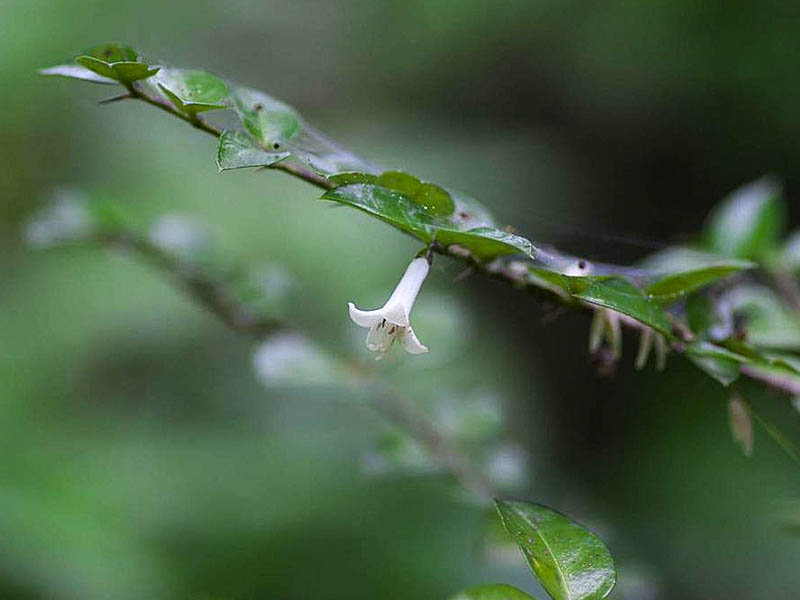
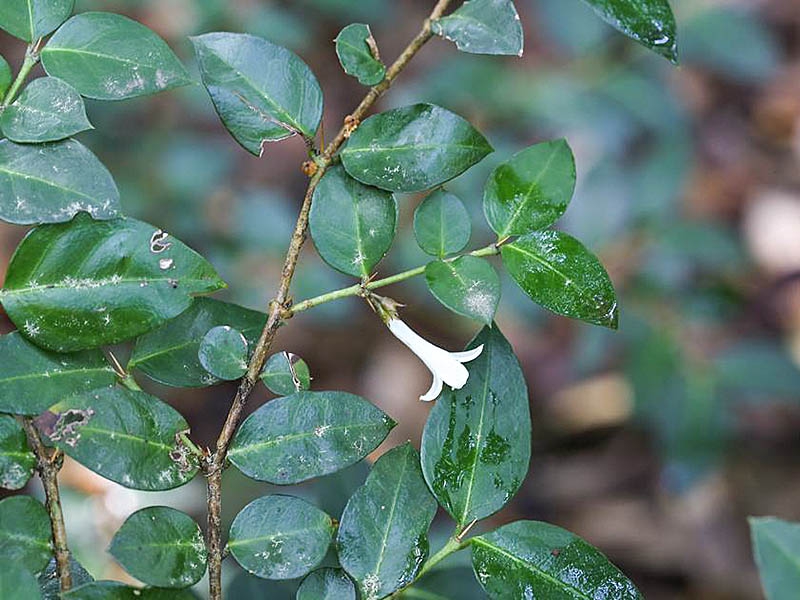
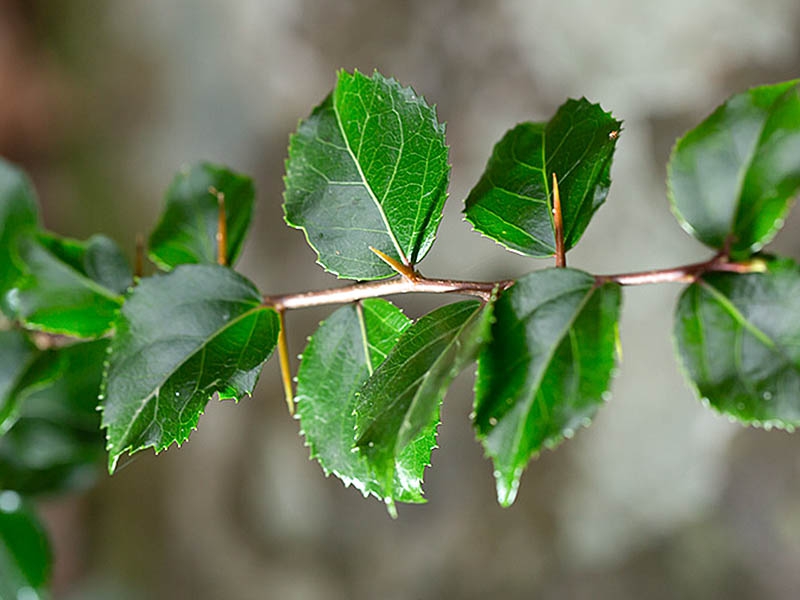
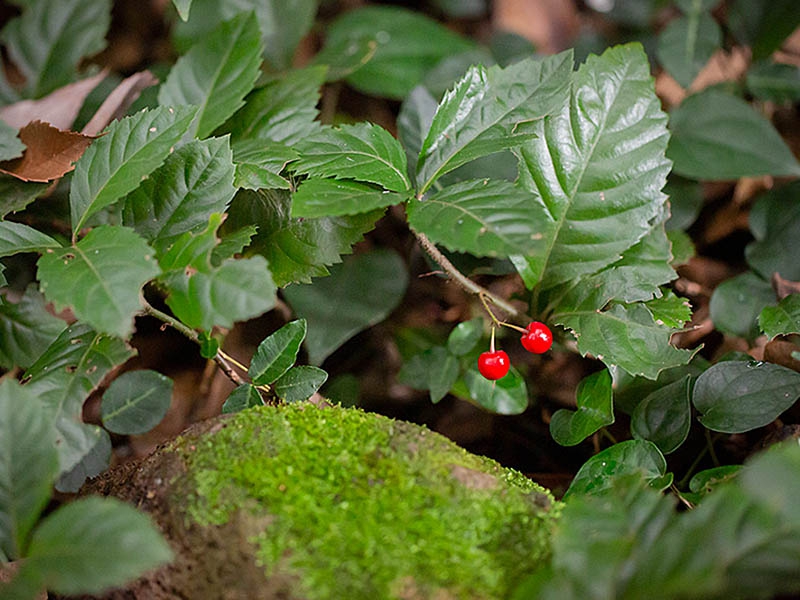
Information regarding Damnacanthus major is summarized below. Growth Characteristics Damnacanthus major is an evergreen shrub belonging to the family Rubyceae, primarily distributed in Asia. It grows up to about 1 meter in height, and its leaves are opposite, oval-shaped, and glossy. Small white or pale pink flowers bloom in the summer, and the fruit ripens red in the autumn. Propagation Methods Damnacanthus major is mainly propagated by seeds or cuttings. For seed propagation, seeds collected from mature fruit are sown directly in the autumn or germinated indoors in the spring. Cuttings are best taken in spring or early summer; cut off soft new shoots and plant them in a soil mixture of sand and perlite to encourage rooting. Cultivation Methods Soil: It thrives in well-drained soil. While it prefers acidic soil, it is adaptable to various soil conditions. Sunlight: It grows well in partial shade or full sun. Watering: Avoid overwatering and maintain adequate moisture. Fertilization: Apply an appropriate amount of slow-release fertilizer in spring and autumn. Uses in the Garden Crystallia mayor is popular as an ornamental plant and is particularly suitable for planting in shaded gardens or wooded gardens. It is also frequently used as a hedge or boundary plant. Important Pests and Control Methods Crystallia mayor is relatively resistant to pests and diseases, but it can be susceptible to root rot if waterlogged. To prevent pests and diseases, it is important to plant in a well-ventilated location and maintain well-drained soil. If necessary, control pests and diseases using appropriate pesticides.
Plant Family
Rubiaceae
Height
30~60cm
Colors
white
Bloom Period
June
Water Needs
commonly
Exposure
semi-shaded area
Freezing Resistance
-15°C
Dahlia candida
Dalea candida
Japanese holly
Damnacanthus indicus