English
한국어
English
Español
中文
हिंदी
Home
News
Community
Dictionary
English
한국어
English
Español
中文
हिंदी
View list
Japanese holly
Damnacanthus indicus
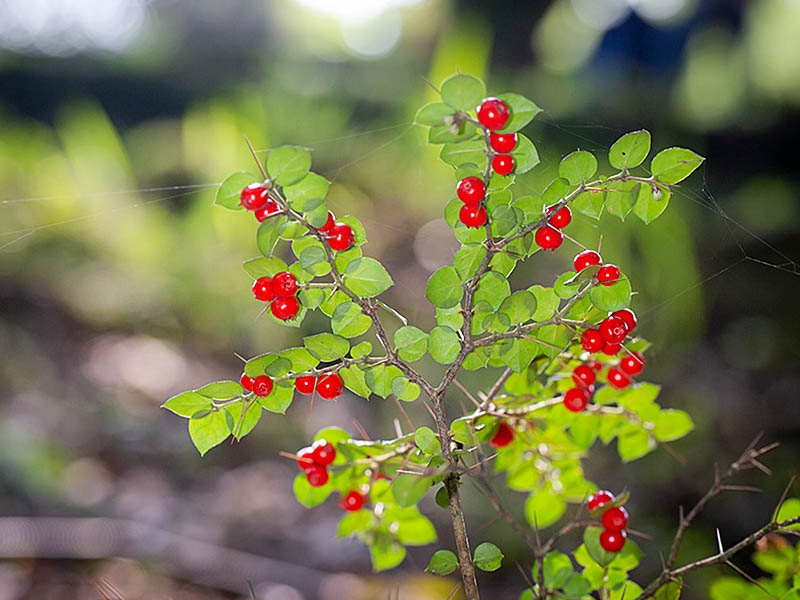
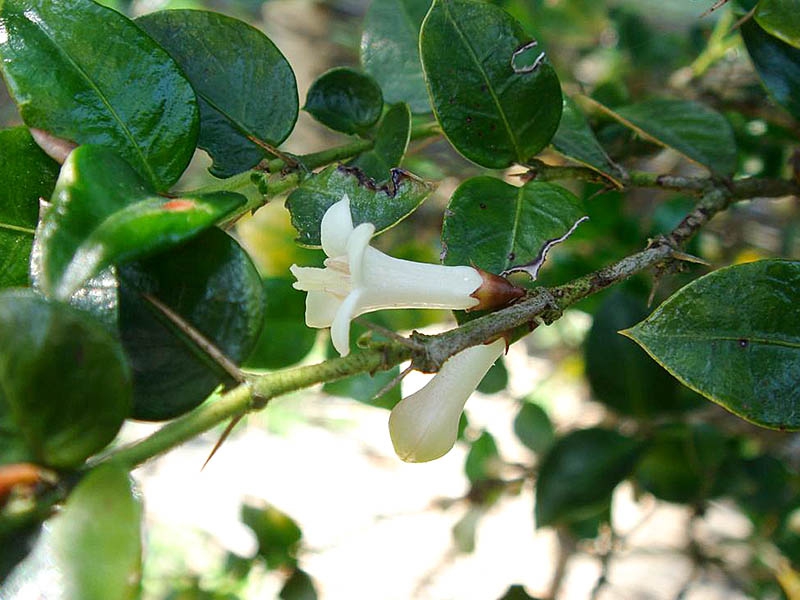
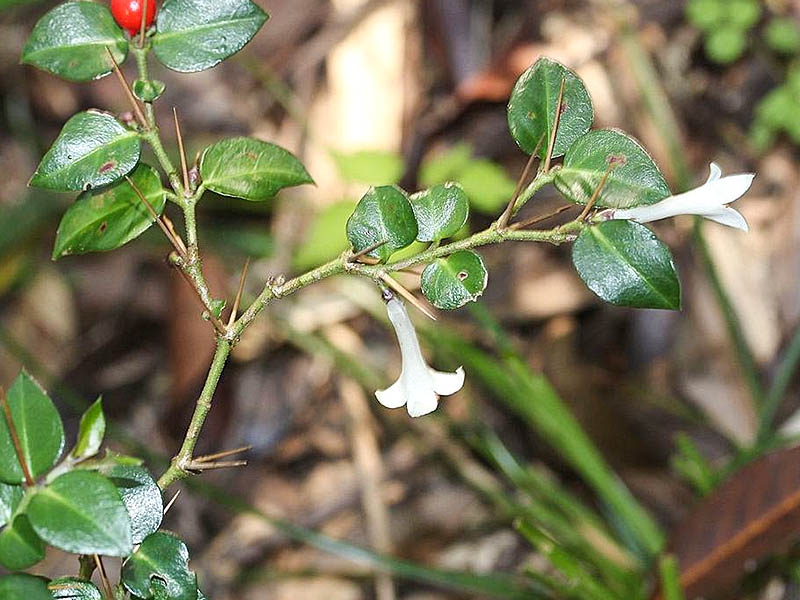
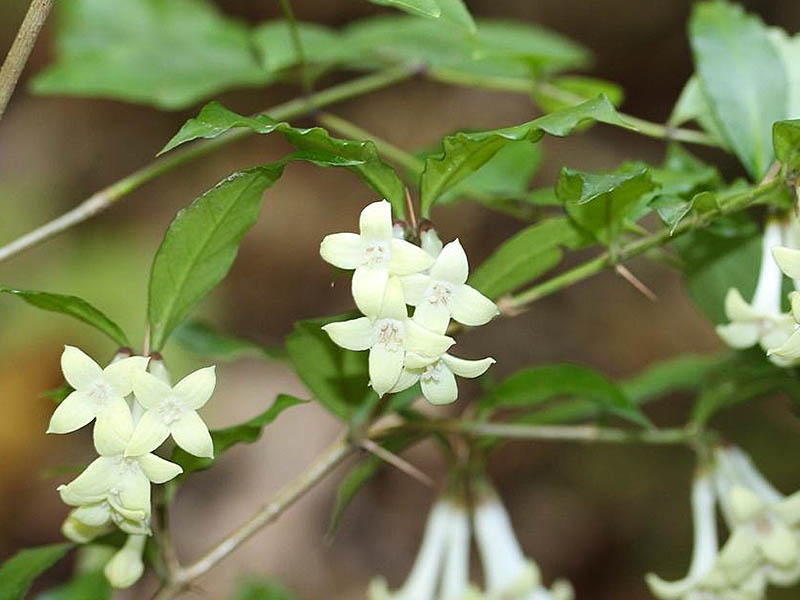
Damnacanthus indicus possesses the following growth characteristics: Growth Characteristics - Environmental Requirements: Damnacanthus indicus thrives primarily in subtropical and temperate climates. While it grows well in partially shaded areas, it grows healthiest in locations with ample sunlight. - Soil: It prefers fertile, well-drained soil. A neutral to slightly acidic soil pH is suitable. - Altitude: It is mainly found in mountainous regions at elevations of 400 to 1,500 meters above sea level. Propagation Methods - Cuttings: Damnacanthus indicus is primarily propagated by cuttings. In the summer, cut branches to a length of about 10 cm, plant them in potting soil, and allow them to root. - Seed Propagation: Propagation using seeds is also possible. Since seed germination rates can be somewhat low, it is recommended to plant multiple seeds. Cultivation Methods - Watering: It dislikes excessive moisture, so it is best to water when the soil is dry. - Fertilization: Using slow-release fertilizer in the spring is beneficial. - Renewal: Regular pruning helps maintain the tree's shape and prevents pests and diseases. Uses in the Garden - Indicus japonica is primarily used as an ornamental plant in gardens due to its unique shape and color. It is also suitable as a hedge or boundary plant. Important Pests and Control Methods - Diseases: Fungal diseases, such as gray mold, may occur. To prevent this, create a well-ventilated environment and use fungicides if an outbreak occurs. - Pests: Pests such as aphids and scale insects may appear. In the early stages, control can be achieved using soapy water or vegetable emulsions; in severe cases, professional pesticides must be used. Indicus japonica is relatively easy to care for, but it can grow even healthier if properly managed to meet environmental requirements.
Plant Family
Rubiaceae
Height
60~100cm
Colors
white
Bloom Period
June
Water Needs
commonly
Exposure
semi-shaded area
Freezing Resistance
-10°C
Crystal neck
Damnacanthus major
Twisted bird
Danthonia spicata