English
한국어
English
Español
中文
हिंदी
Home
News
Community
Dictionary
English
한국어
English
Español
中文
हिंदी
View list
Twisted bird
Danthonia spicata
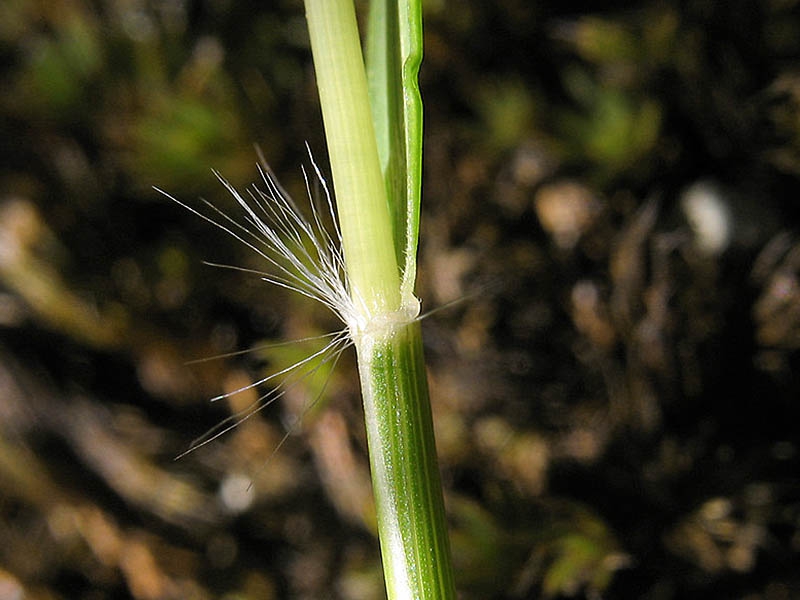
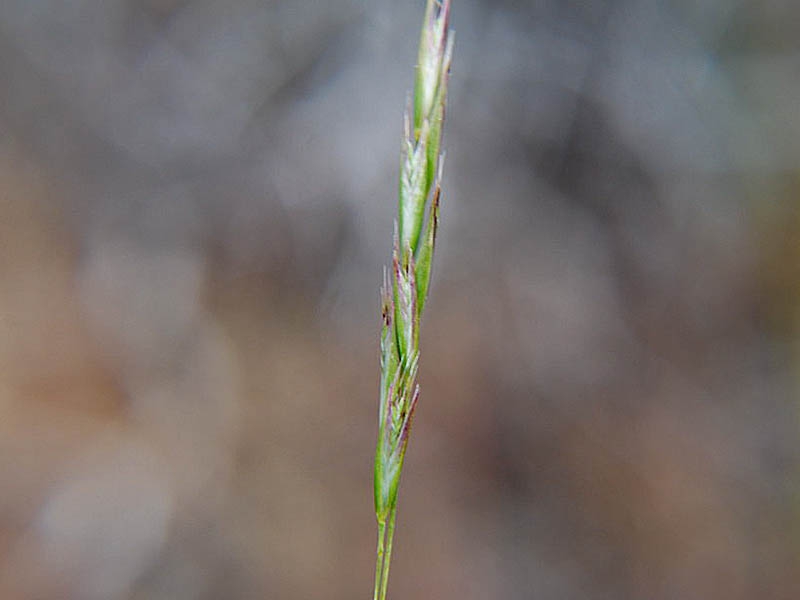
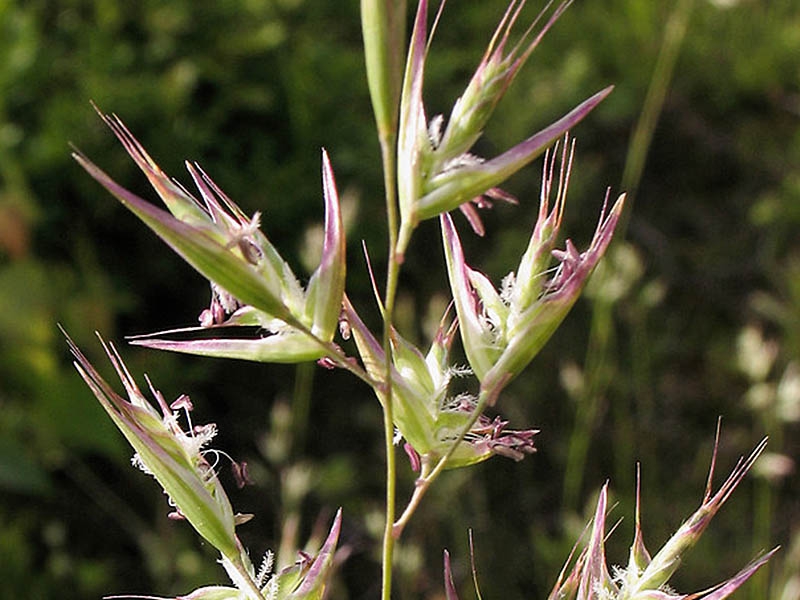
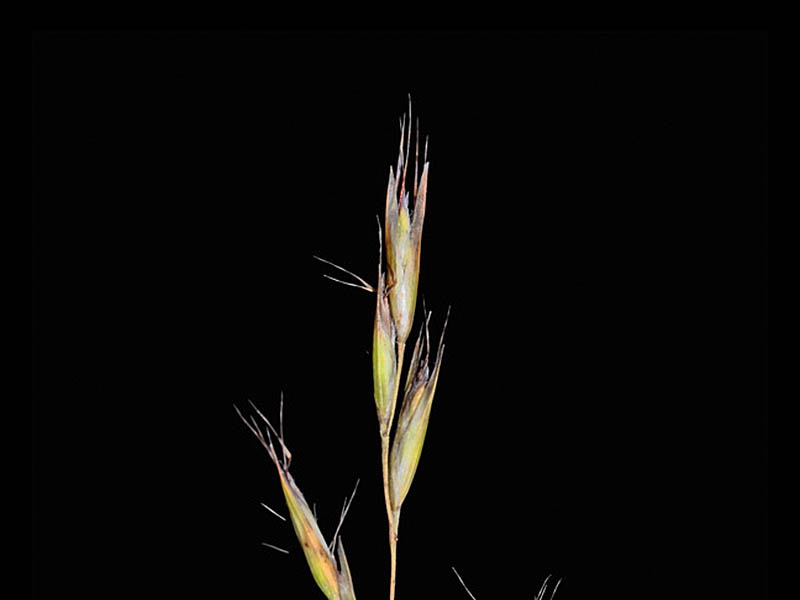
Danthonia spicata is a plant rarely seen in Korea and is a grass native primarily to North America. Below, we describe the growth characteristics, propagation methods, cultivation methods, garden uses, major pests and diseases, and control methods for Danthonia spicata. Growth Characteristics - Habitat: It thrives in dry, poor soil and is also found in mountainous areas and meadows. - Sunlight Requirements: It grows well in environments with plenty of sunlight but can tolerate partial shade. - Cold Hardiness: It is relatively resistant to cold. Propagation Methods - Seed Propagation: It is primarily propagated by seeds. Sowing in spring or autumn is common. - Division: Propagation by dividing the roots is also possible. Cultivation Methods - Soil: It prefers well-drained sandy soil. - Watering: It is resistant to dry environments, so it is best to avoid overwatering. - Fertilizer: It does not require special fertilizers, but organic fertilizers can be used to promote growth. Uses in Gardens - Landscaping Plant: Used to create natural-looking gardens, its distinctive appearance adds a wild atmosphere. - Soil Protection: Since it grows in poor soil, it helps prevent erosion. Important Pests and Control Methods - Diseases: There are no known major diseases. However, fungal diseases may occur in environments with poor drainage. - Pests: Damage from specific pests is minimal, but natural insecticides can be used if problems arise. - Control Methods: Improve drainage preventively, and if necessary, select eco-friendly control methods for pests and diseases. Twisted Spicata is a relatively easy plant to care for; it grows well if provided with the right environment. This makes it useful for creating natural-looking gardens or reinforcing poor soil.
Plant Family
Poaceae
Height
20~80cm
Colors
green
Bloom Period
June~July
Water Needs
commonly
Exposure
Sunny
Freezing Resistance
-10°C
Japanese holly
Damnacanthus indicus
Mountain dogwood
Daphne pseudomezereum
var.
koreana