English
한국어
English
Español
中文
हिंदी
Home
News
Community
Dictionary
English
한국어
English
Español
中文
हिंदी
View list
West direction
Daphne odora
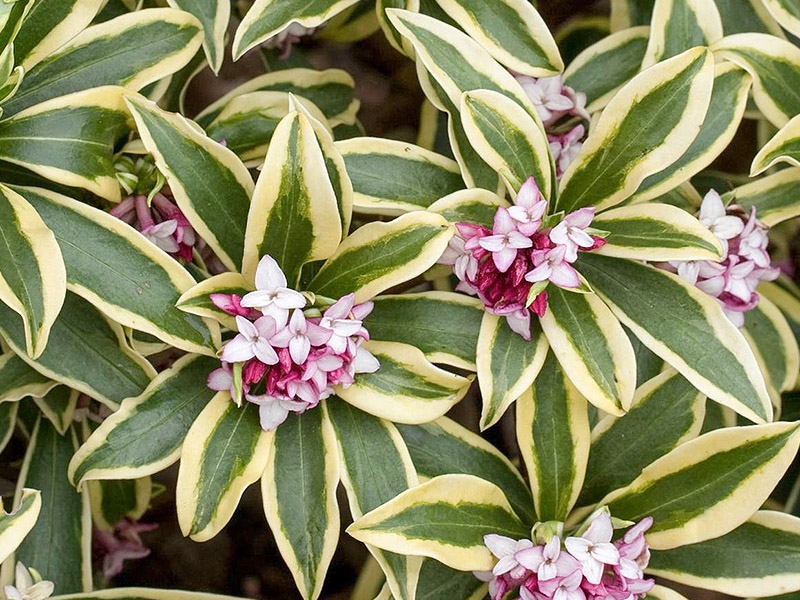
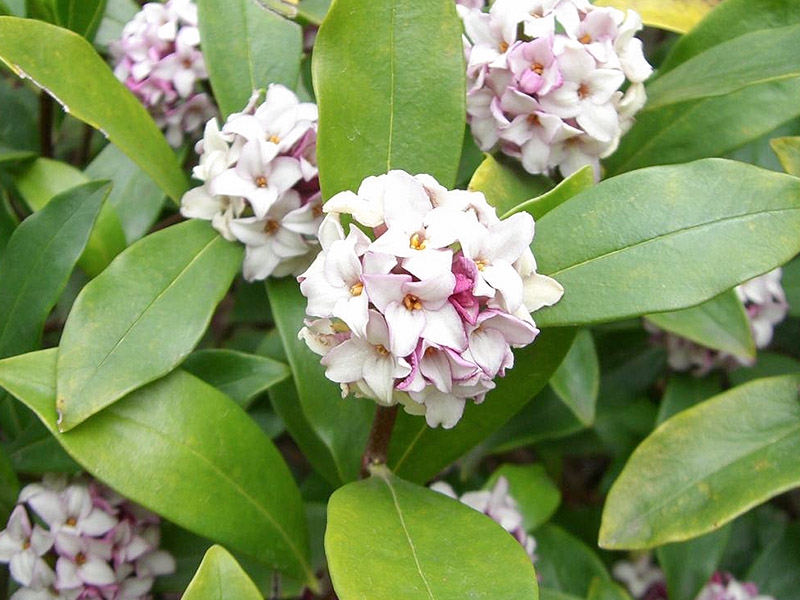
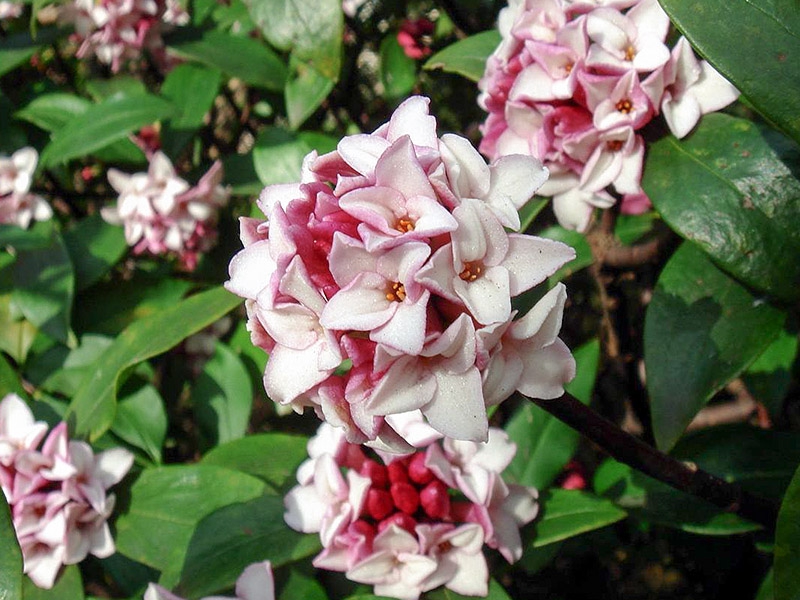
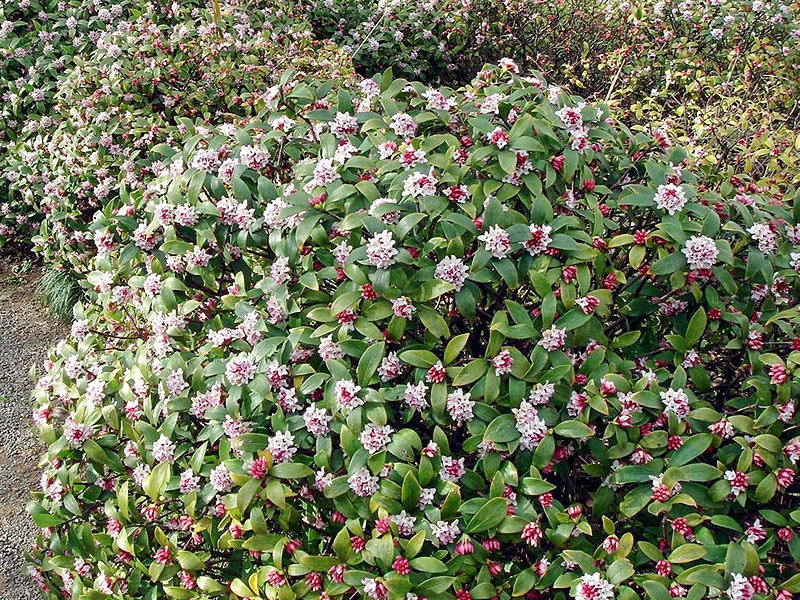
Daphne odora is a shrub found primarily in East Asia. This plant is popular as a garden plant due to its attractive fragrance and beautiful flowers. Growth Characteristics- Form and Size: It grows to a height of 1 to 1.5 meters, and its leaves are glossy dark green. - Flowers: Flowers bloom from late winter to early spring and are mostly white or light pink. The flowers possess an intense and sweet fragrance. - Environment: It thrives in partial shade and prefers well-drained soil. Excessive direct sunlight can cause the leaves to burn or discolor. Propagation Methods- Cuttings: Branches are usually cut and propagated in early autumn or early spring. Rooting hormones can be applied to the cut ends. - Seeds: While propagation by seeds is possible, cuttings are generally preferred due to the low germination rate. Cultivation Methods - Soil Preparation: Well-drained soil that is slightly acidic to neutral is ideal. It is recommended to mix in sufficient organic matter. - Watering: Maintain a well-drained environment and be careful not to overwater. - Fertilizer: Provide adequate nutrition using slow-release fertilizers according to the growing season. Uses in the Garden - Borders or Cultivated Areas: With its beautiful flowers and fragrance, it is excellent for planting along borders or forest edges. - Flowerbeds or Pots: It can be planted in clusters in flowerbeds or grown in large pots. Important Pests and Control Methods - Diseases: Root rot and leaf blight may occur. It is important to maintain proper drainage and air circulation. - Pests: Aphids or moths may infest the plant; perform periodic checks and use appropriate insecticides if necessary. While Daphne is relatively easy to care for, maintaining appropriate environmental conditions is essential for healthy growth.
Plant Family
Thymelaeaceae
Height
1~2m
Colors
White, red, pink
Bloom Period
March to April
Water Needs
commonly
Exposure
semi-shaded area
Freezing Resistance
-10°C
Mountain dogwood
Daphne pseudomezereum
var.
koreana
White Daphne
Daphne kiusiana