English
한국어
English
Español
中文
हिंदी
Home
News
Community
Dictionary
English
한국어
English
Español
中文
हिंदी
View list
Datura Suaveolens
Datura suaveolens
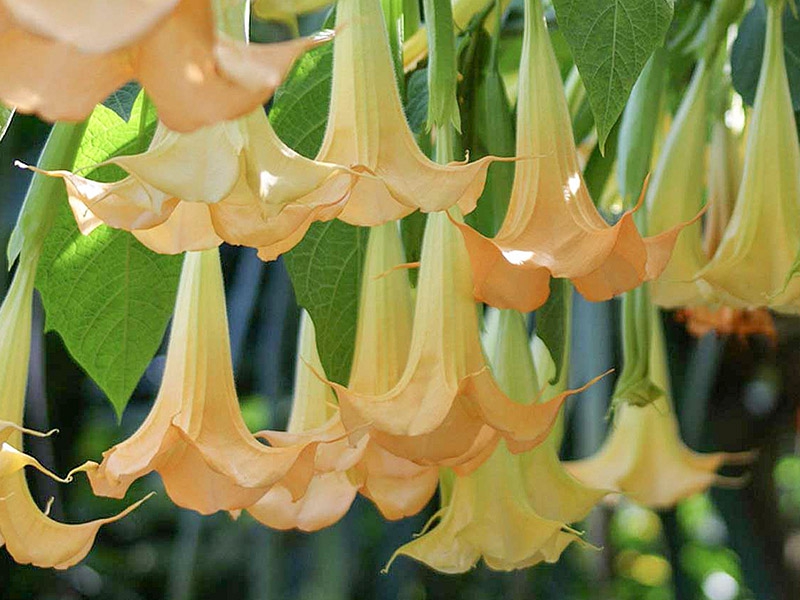
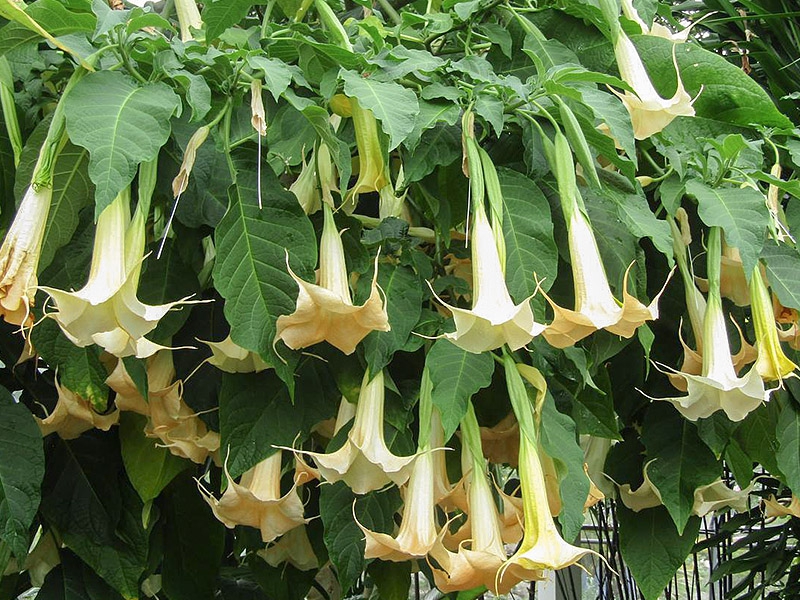
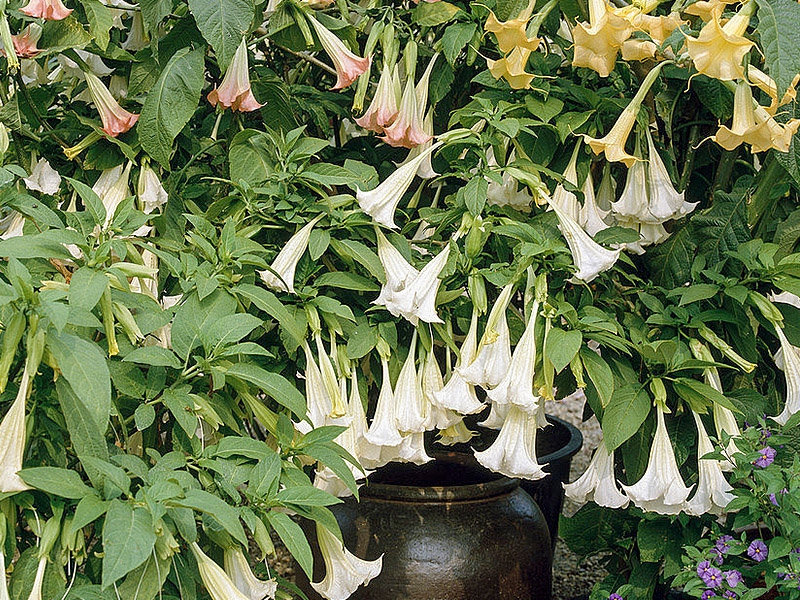
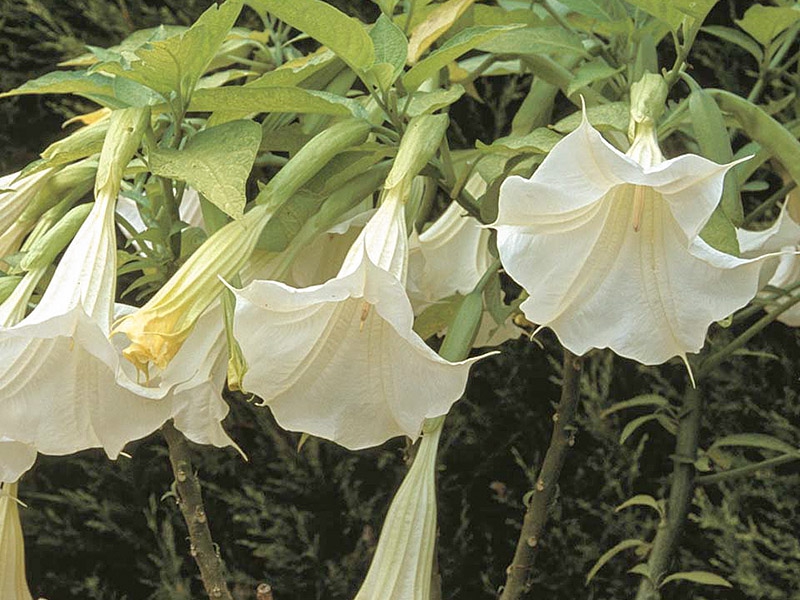
Datura suaveolens, commonly known as Angel's Trumpet, is famous for its enchanting flowers and unique fragrance. The following is information regarding the growth characteristics, propagation methods, cultivation techniques, garden uses, and important pests and diseases and control methods of Datura suaveolens. - Growth Characteristics: - Datura suaveolens thrives in warm climates and requires a minimum temperature of 15 degrees Celsius. - This plant prefers locations with plenty of sunlight but can adapt to partial shade to some extent. - It grows well in well-drained soil and exhibits optimal growth in soil rich in organic matter. - Propagation Methods: - It is primarily propagated by seeds and cuttings. - Seeds are collected from mature fruits and germinated at warm temperatures. - Cuttings are taken in the spring or summer by cutting new branches and allowing them to root in water or soil. 3. Cultivation Method: - Water regularly to prevent the soil from drying out. However, it is important to avoid overwatering. - Fertilize regularly in spring and summer to promote growth. - Maintain the temperature and reduce watering during the winter. - Use in the Garden: - Datura suaveolens is an excellent choice for garden decoration due to its showy flowers and unique fragrance. - You can enjoy the scent, especially if planted near an outdoor patio or terrace. - Major Pests and Control Methods: - Major pests include aphids, spider mites, and powdery mildew. - Aphids and spider mites can be removed using soapy water; insecticides may be used in severe cases. - Powdery mildew can be controlled by improving regular ventilation and using fungicides. When cultivating Datura suaveolens, it is important to limit access by children and pets, as all parts of the plant are toxic.
Plant Family
Solanaceae
Height
3~5m
Colors
White, yellow, red, orange
Bloom Period
July to October
Water Needs
commonly
Exposure
Sunny
Freezing Resistance
-5°C
Dasillirion Acrotricum
Dasylirion acrotrichum
hairy trumpet
Datura innoxia