English
한국어
English
Español
中文
हिंदी
Home
News
Community
Dictionary
English
한국어
English
Español
中文
हिंदी
View list
Sea carrot
Daucus littoralis
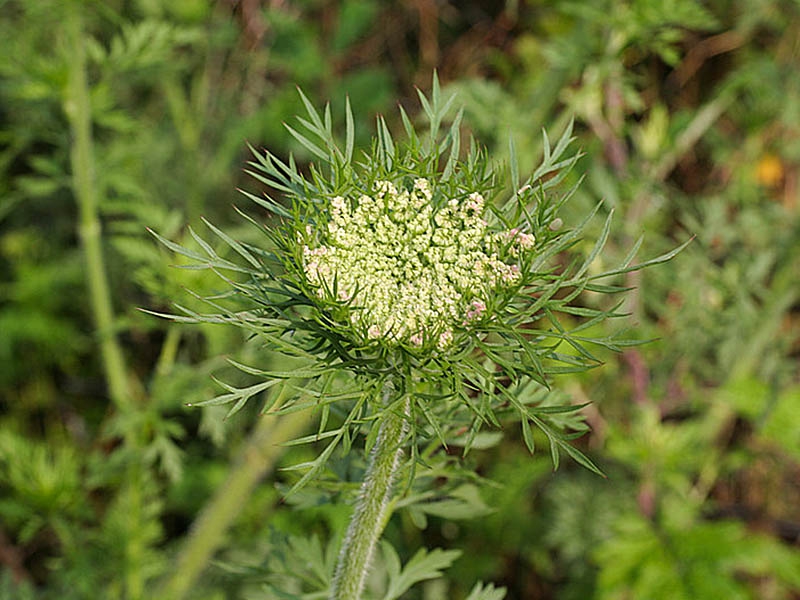
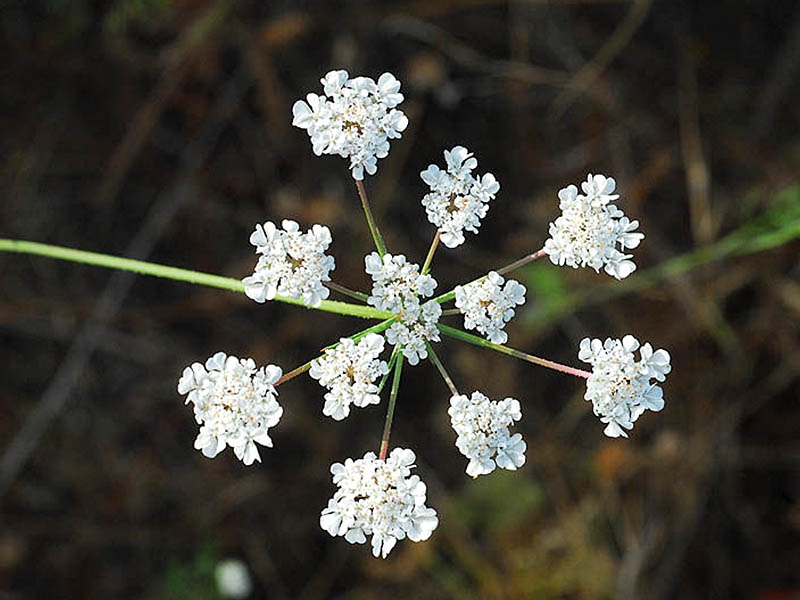
Daucus littoralis is a plant that grows primarily in coastal areas and possesses strong resistance to sand and salt. I will explain the plant's growth characteristics, propagation methods, cultivation techniques, garden uses, and major pests and diseases and their control methods. Growth Characteristics - Environmental Adaptability: Daucus littoralis thrives in sandy coastal soils or environments with high salinity. - Growth Conditions: It grows healthier with sufficient sunlight and thrives in well-drained soil. - Size: Mature Daucus littoralis typically grows to a height of 30 to 60 cm. Propagation Methods - Seed Propagation: Daucus littoralis is primarily propagated by seeds. It is best to sow seeds in the spring; germinate them by lightly covering the surface with soil and watering gently. - Seed Collection: Seeds can be collected after the plant has bloomed and should be dried for storage. Cultivation Method - Soil Preparation: Plant in sandy soil or select a growing site with good drainage. - Planting Time: Early spring or autumn is ideal for planting. - Watering: Avoid wet conditions; maintain a slightly dry state in well-drained soil. Garden Use - Ornamental: Since the sea carrot Lithoralis produces beautiful white flowers, it is excellent for garden borders or decoration. - Growing Colonies: It can form colonies around coastlines or in saline soils to create a natural atmosphere. Important Pests and Control Methods - Diseases: While generally resistant to diseases, it can contract fungal diseases if waterlogged. Proper drainage management is important to prevent this. - Pests: Leaf beetles and aphids can occasionally cause problems. - Control Methods: Upon early detection, wash them off with water or use vegetable soap or insecticides if necessary. The sea carrot Litoralis is a plant that grows well even in special environments thanks to its characteristics of adapting to the natural environment itself, and it can be usefully utilized in the garden if properly cared for and provided with the right environment.
Plant Family
Apiaceae
Height
50~110cm
Colors
white
Bloom Period
July–August
Water Needs
commonly
Exposure
Sunny
Freezing Resistance
-10°C
carrot
Daucus carota
subsp.
sativa
wild carrot
Daucus carota