English
한국어
English
Español
中文
हिंदी
Home
News
Community
Dictionary
English
한국어
English
Español
中文
हिंदी
View list
wild carrot
Daucus carota
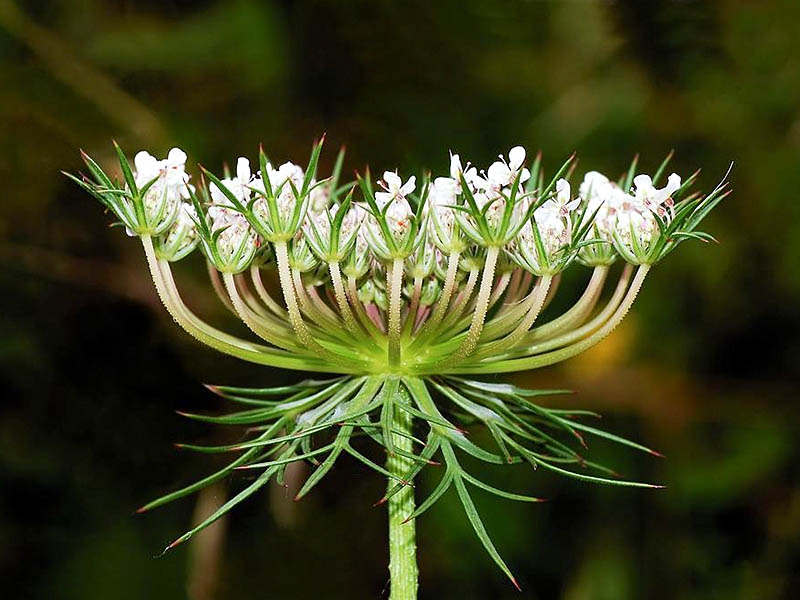
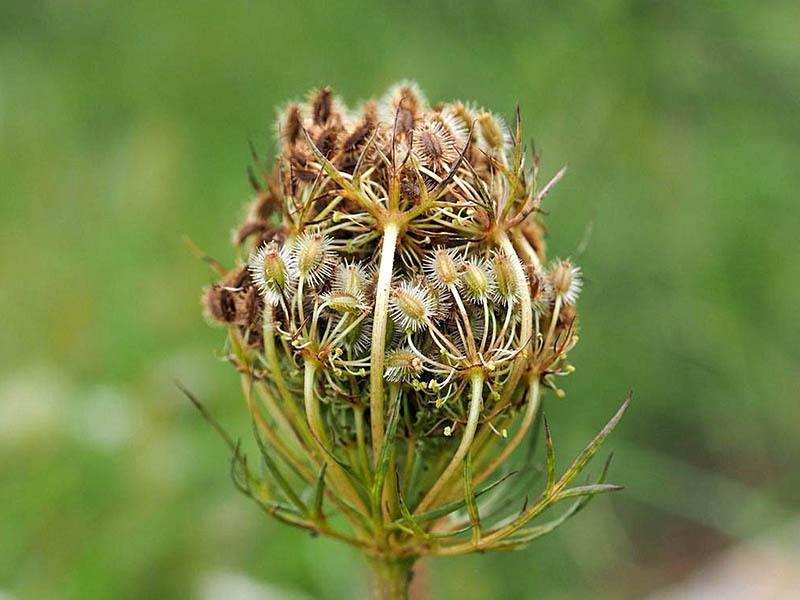
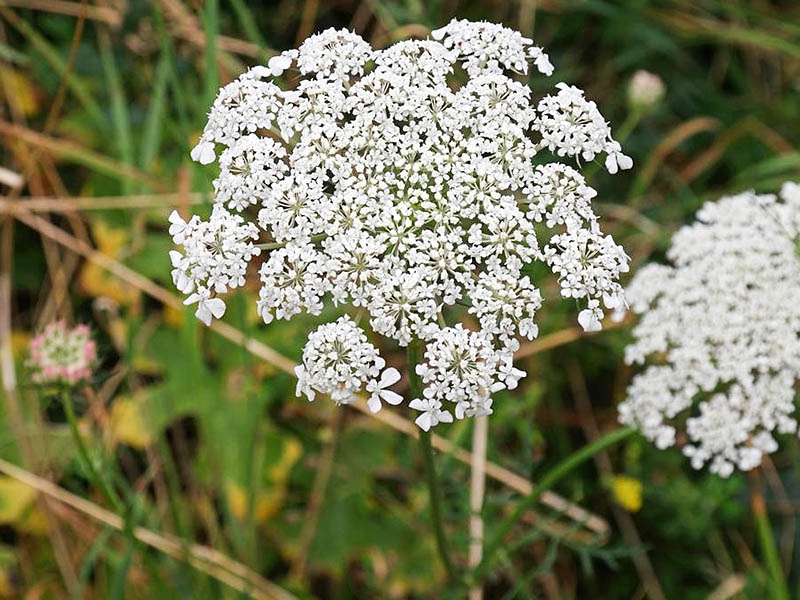
Carrots (Daucus carota) are perennial plants, primarily harvested for their roots for culinary use. The following outlines the main growth characteristics, propagation methods, cultivation methods, garden uses, and major pests and diseases, as well as control methods. Growth Characteristics - Usable Parts: The roots are the primary part used, and varieties come in various colors in addition to orange. - Environmental Conditions: Carrots thrive in cool, humid conditions and are resistant to light frost. The optimal germination temperature is 10–25°C. - Soil: They prefer well-drained soil rich in organic matter. Abnormally shaped roots may develop in soil that is too hard or stony. Propagation Methods - Seeds: Carrots are primarily propagated by seeds. The seeds are small and can be sown directly or in potting soil. - Germination: Germination takes approximately 1–3 weeks. After germination, space the seeds appropriately apart. Cultivation Methods - Sowing Time: Seeds are usually sown in spring or autumn. Germination does not occur well if temperatures are too high. - Spacing: Maintain row spacing at approximately 30 cm and plant spacing at 5–10 cm. - Watering: Uniform moisture supply is important; sufficient watering is required, especially during the early growth stages. - Fertilizer: Use a compound fertilizer containing nitrogen, potassium, and phosphorus as a base fertilizer. Utilization in the Garden - Landscape Plant: With beautiful leaves as well as roots, it can be used as a landscape plant in the garden. - Companion Plants: It can be planted in a symbiotic relationship with nearby plants such as onions and parsley. Important Pests and Control Methods - Diseases: - Black Spot: Primarily occurs on the leaves; prevention involves maintaining proper drainage and ensuring sufficient ventilation. - Root Rot: Prevention involves avoiding excessive moisture and improving soil drainage. - Pests: - Carrot Fly: Primarily feeds on young roots. Installing a physical barrier (such as non-woven fabric) or using natural predator insects for biological control is effective. - Aphids: They mainly occur on the leaves, and neglecting to remove them reduces the leaves' photosynthetic capacity. Remove them using soapy water or appropriate chemical treatments. I hope the information above helps with your carrot cultivation.
Plant Family
Apiaceae
Height
30~60cm
Spread
40cm
Colors
White, yellow, purple
Bloom Period
June to August
Water Needs
commonly
Exposure
Sunny
Freezing Resistance
-18°C
Sea carrot
Daucus littoralis
Four-leaved fern
Davallia mariesii