English
한국어
English
Español
中文
हिंदी
Home
News
Community
Dictionary
English
한국어
English
Español
中文
हिंदी
View list
Handkerchief tree
Davidia involucrata
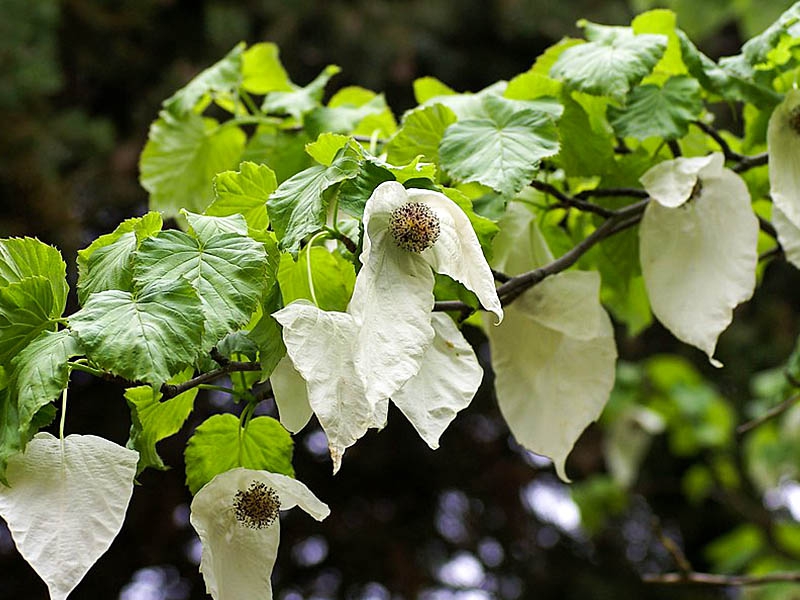
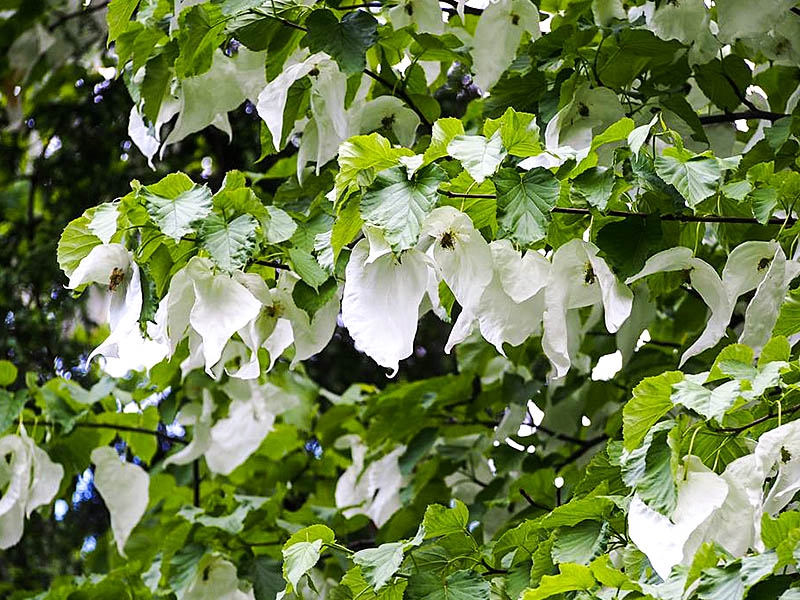
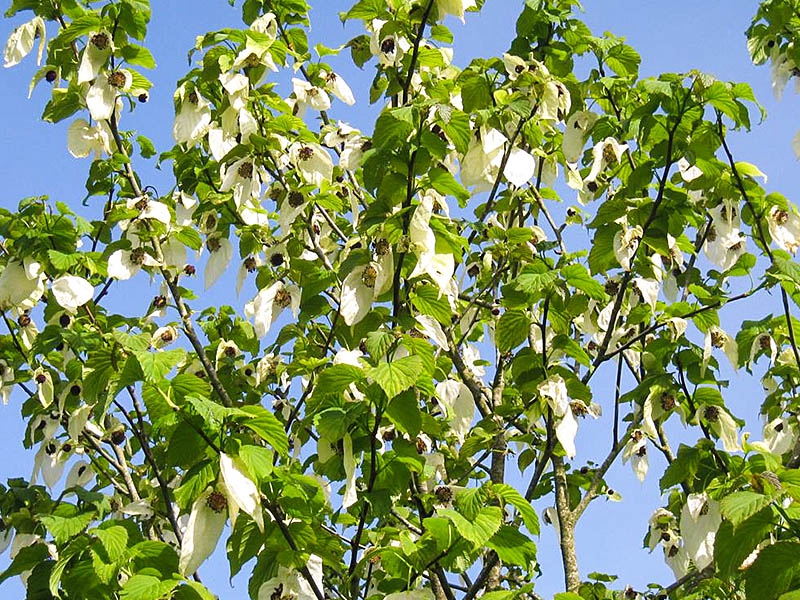
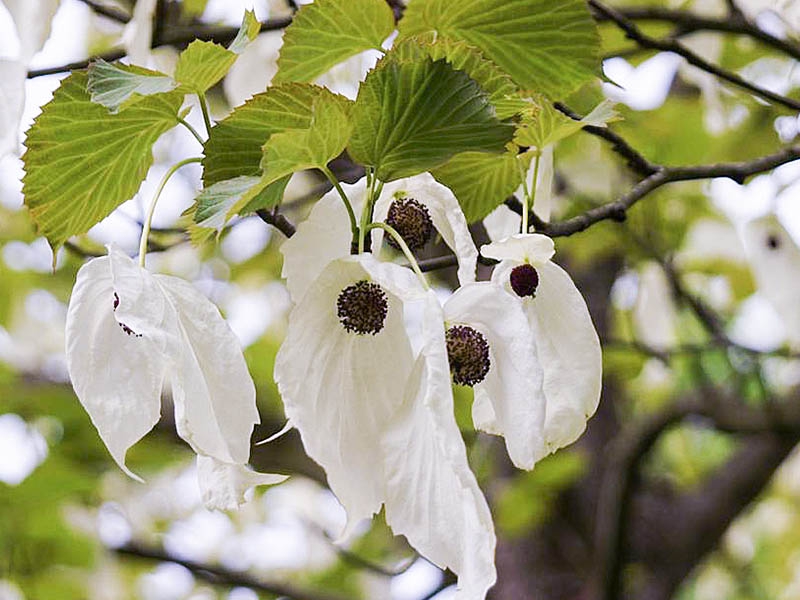
The Handkerchief Tree (Davidia involucrata) is a tree loved by many for its captivating flower shapes and unique appearance. The following covers the growth characteristics, propagation methods, cultivation methods, garden uses, and major pests and diseases, as well as control methods. Growth Characteristics - Environment: The Handkerchief Tree thrives in temperate climates and prefers hot and humid environments, especially during the summer. While it likes sunlight, it can also grow in partial shade. - Soil: It prefers well-drained, fertile soil. It grows healthier in acidic to slightly acidic soil. - Size: Mature trees can typically grow up to 10 to 20 meters in height. Propagation Methods - Seed Propagation: It can be propagated by seeds; stratification is necessary to increase germination rates. An effective method involves harvesting seeds, drying them at room temperature, refrigerating them during the winter, and sowing them in the spring. - Grafting: It can also be propagated by grafting onto other trees. Cultivation Methods - Planting: It is best to plant in early spring or autumn. Before planting, the soil should be well-improved to ensure adequate nutrient supply. - Watering: Water regularly during dry periods. However, care must be taken to avoid overwatering. - Pruning: Pruning is necessary to promote healthy growth and is typically performed in winter or early spring. Uses in the Garden The Handkerchief Tree is a popular ornamental tree in gardens due to its beauty. Its unique appearance, especially during flowering, enhances the overall atmosphere of the garden. It fits well in large gardens and public spaces, and is also suitable as a street tree. Important Pests and Control Methods - Diseases: While major diseases are rare, fungal diseases can occur on the leaves. To prevent this, it is important to ensure sufficient ventilation and sunlight. - Pests: Pests such as aphids may occur. In the early stages, they can be removed by washing with water; in severe cases, organic insecticides can be used. - Preventive care: You must ensure the tree remains healthy through regular health checks and fertilization when necessary. The handkerchief tree is relatively easy to care for and, with the right environment and care, can serve as the centerpiece of your garden for a long time.
Plant Family
Nyssa family
Height
6~12m
Spread
6~12m
Colors
white
Bloom Period
May~June
Water Needs
commonly
Exposure
Sunny
Freezing Resistance
-20°C
Four-leaved fern
Davallia mariesii
Deco rubber tree
Decora elastica
'Decora'