English
한국어
English
Español
中文
हिंदी
Home
News
Community
Dictionary
English
한국어
English
Español
中文
हिंदी
View list
Dendrobium berry
Dendrobium
Berry
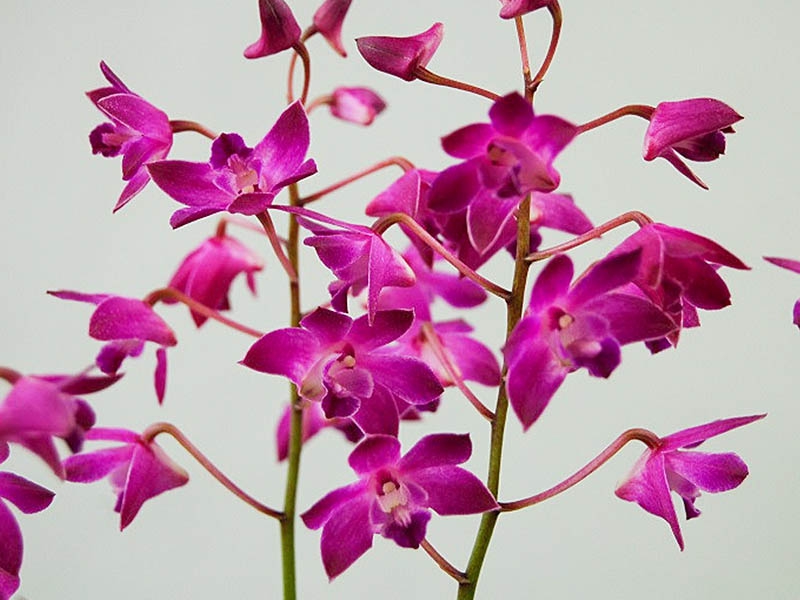
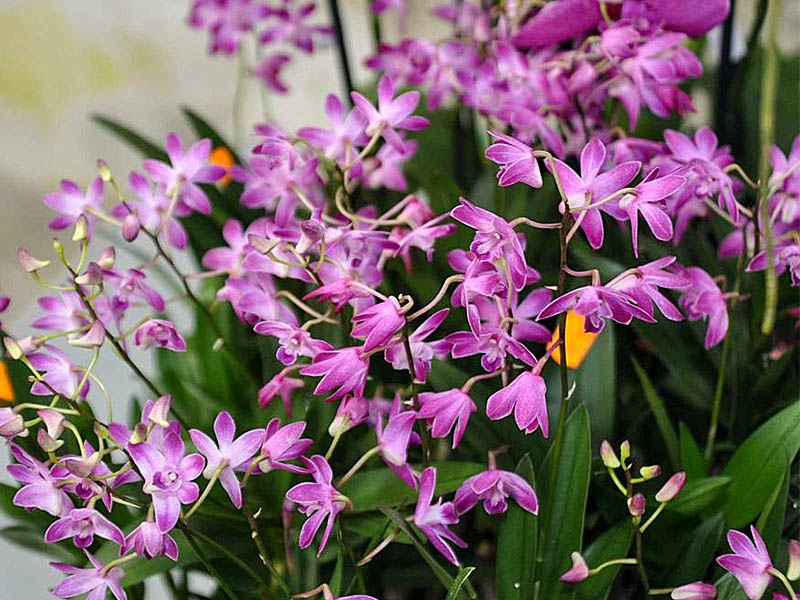
Dendrobium berries are plants belonging to the Orchidaceae family, and due to their high ornamental value, many people cultivate them at home. To grow them effectively, it is important to understand the following growth characteristics, propagation methods, cultivation methods, uses in the garden, and major pests and diseases and control methods. Growth Characteristics Dendrobium berries primarily grow in tropical and subtropical climates and require high humidity and bright indirect light. The optimal temperature is between 18 and 25 degrees Celsius, and some temperature difference between day and night is also necessary. The roots are aerial roots capable of absorbing moisture from the air. Propagation Methods Dendrobium berries are mainly propagated by division. You can grow multiple individuals by carefully dividing the roots of an existing, well-grown plant. While propagation by seeds is also possible, it is difficult and time-consuming, so division is generally preferred. Cultivation Methods Light Source: Bright indirect light is best, and direct sunlight should be avoided. Watering: Since it absorbs water through aerial roots, water periodically using a spray bottle or water until the roots are moist. Soil: It is recommended to use specialized orchid potting soil. The soil must be well-drained, and the environment should be designed to avoid overwatering. Fertilizer: Applying orchid-specific fertilizer once or twice a month during spring and summer helps with growth. Uses in the Garden Dendrobium berries are primarily grown indoors, but they can also be cultivated on verandas or outdoors if the temperature and humidity are suitable. In the garden, they can be hung under trees or placed in shady spots to add an exotic atmosphere. Important Pests and Control Methods Major pests affecting Dendrobium berries include spider mites, aphids, and powdery mildew. Methods for controlling them are as follows: Spider Mites: Remove them by regularly wiping the leaves with water or using insecticides. Aphids: Remove them by spraying water on the leaves or using soapy water. Powdery mildew: Adjust environmental humidity and cut off and remove infected parts. Use antifungal agents if necessary. Dendrobium berries are plants that require care, but if provided with the right environment, you can enjoy their beautiful flowers for a long time.
Plant Family
Orchid family
Height
40~50cm
Colors
purple
Bloom Period
January to May
Water Needs
commonly
Exposure
semi-shaded area
Freezing Resistance
-10°C
Dendrobium burana
Dendrobium
Burana
Mountain aster
Dendranthema zawadskii