English
한국어
English
Español
中文
हिंदी
Home
News
Community
Dictionary
English
한국어
English
Español
中文
हिंदी
View list
Mountain aster
Dendranthema zawadskii
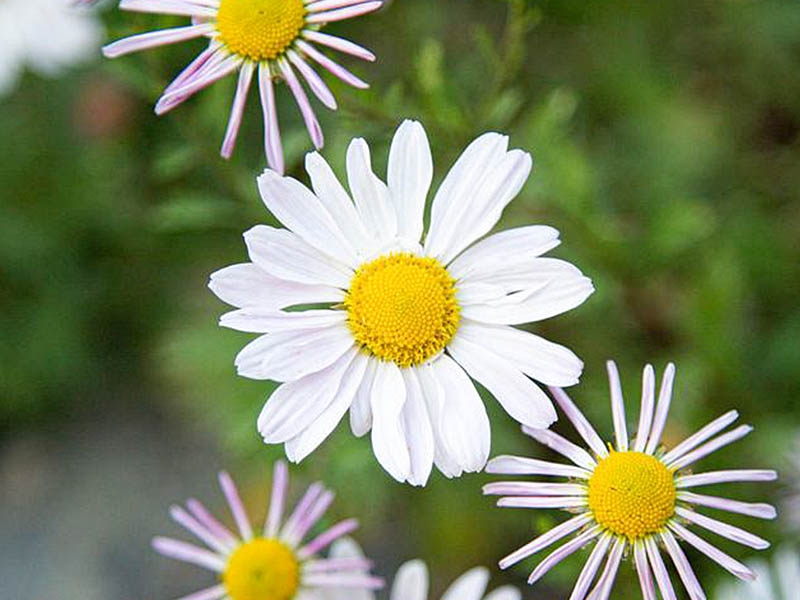
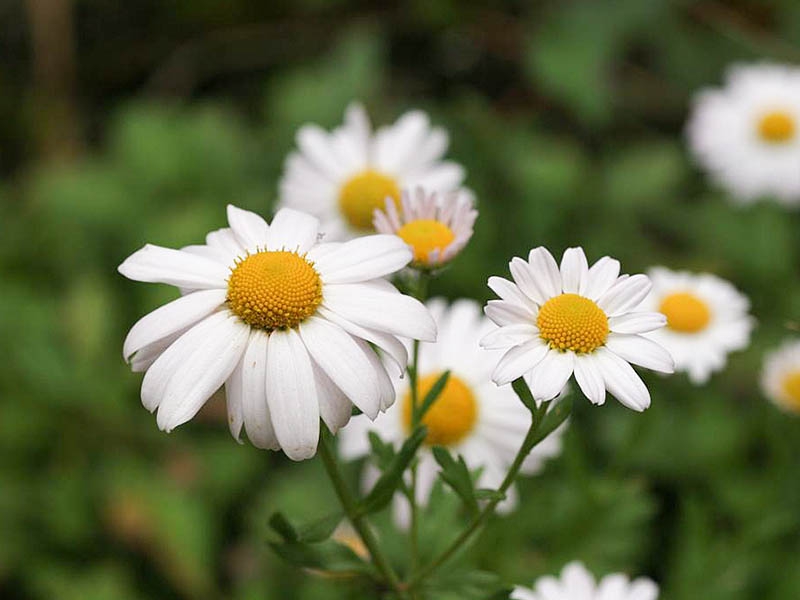
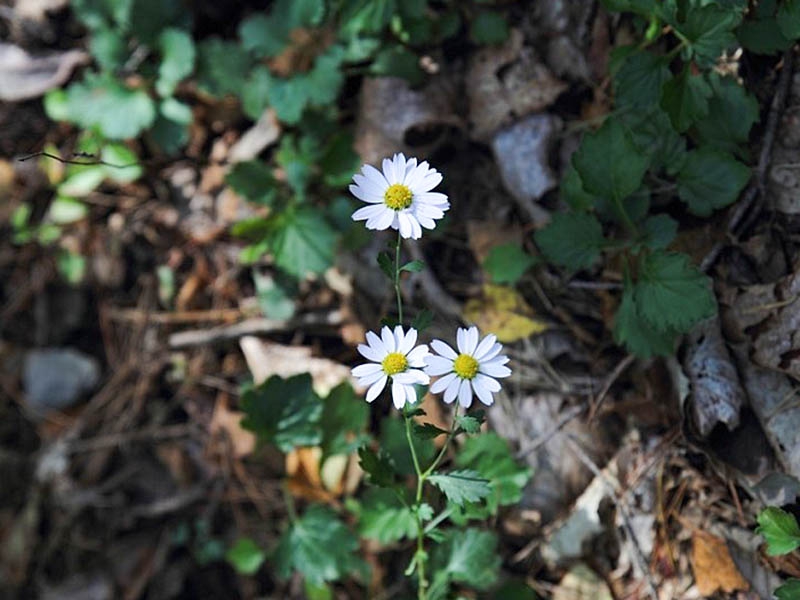
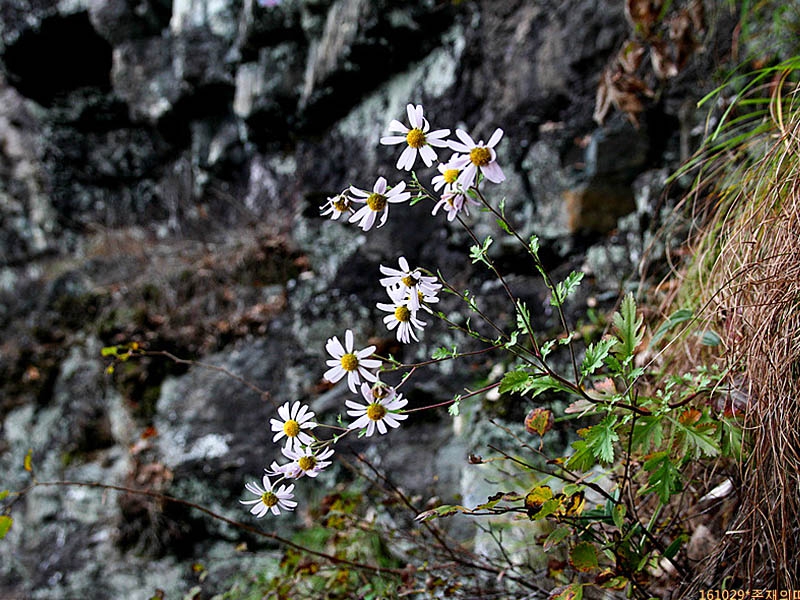
Growth Characteristics of Dendranthema zawadskii var. latiloba: Dendranthema zawadskii is a perennial herbaceous plant belonging to the Asteraceae family, characterized by its white flowers that bloom in autumn. It grows to a height of approximately 30 to 90 cm; its stems stand upright, and its leaves are often pinnately divided. It thrives in sunny locations and prefers well-drained soil. It is resistant to cold and drought, although growth may vary slightly depending on soil fertility. Propagation Methods: Dendranthema zawadskii is primarily propagated by seeds, but vegetative propagation, such as root division, is also possible. When propagating by seeds, sowing in the spring is best. For vegetative propagation, it can be propagated via root division in early spring or autumn. Cultivation Methods: - Soil Preparation: Select well-drained and fertile soil. Before planting, add compost or organic fertilizer to improve soil fertility. 2. Planting: Plant with spacing, ensuring the depth is moderate enough for the roots to penetrate sufficiently. - Watering: Consistent watering is necessary during the initial establishment period, but thereafter, water while avoiding overwatering. - Fertilizer Management: During the growing season, periodically apply fertilizer specifically designed for Korean daisies or general potted plants. - Flower Care: Remove withered flowers to encourage the blooming of new flowers. Uses in the Garden: Korean daisies are particularly popular in autumn gardens and harmonize well with chrysanthemums of various colors and shapes. They are suitable for planting along flowerbed edges or in clusters, and are also used as cut flowers. Important Pests and Control Methods: While Korean daisies are relatively resistant to pests and diseases, they can be susceptible to wilt disease, powdery mildew, and aphids. - Wilt Disease: Manage the plant by avoiding overwatering and ensuring good ventilation. If the disease occurs, remove the affected parts and apply a suitable fungicide. 2. Powdery mildew: Since it frequently occurs in dry environments, provide a balanced water supply and use a fungicide if it occurs. - Aphids: Periodically inspect the leaves; if aphids are visible, wash them off with water or use insecticides if necessary. To prevent pests and diseases, it is important to keep the area around the plants tidy, check their condition periodically, and take appropriate control measures when necessary.
Plant Family
Asteraceae
Height
10∼60cm
Spread
30~60cm
Colors
pink
Bloom Period
July to October
Water Needs
commonly
Exposure
Sunny
Freezing Resistance
-30°C
Dendrobium berry
Dendrobium
Berry
Shin Chang Gujeolcho
Dendranthema sinchangense