English
한국어
English
Español
中文
हिंदी
Home
News
Community
Dictionary
English
한국어
English
Español
中文
हिंदी
View list
Chrysanthemum indicum f. albescens
Dendranthema indicum
f.
albescens
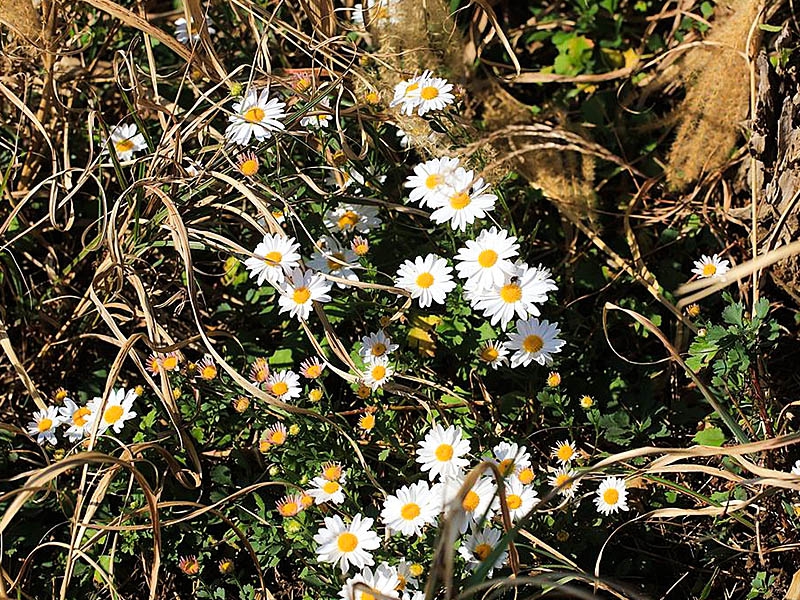
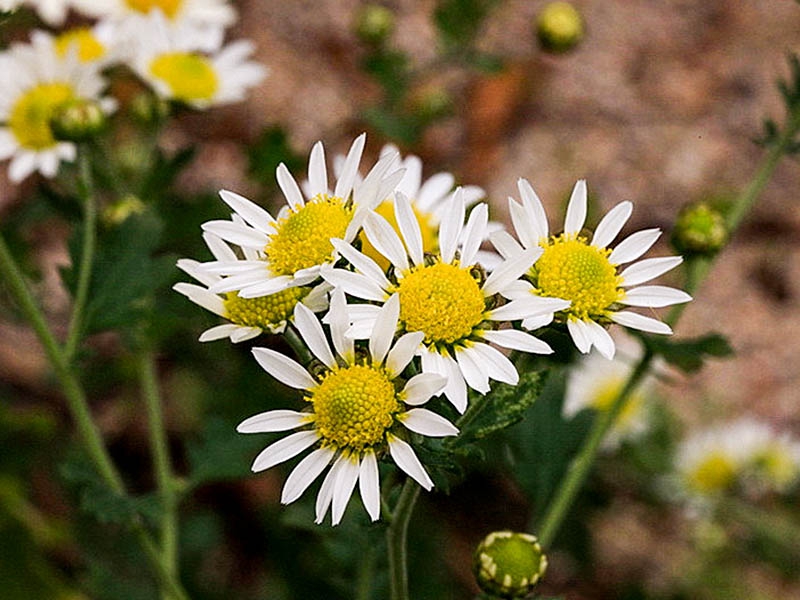
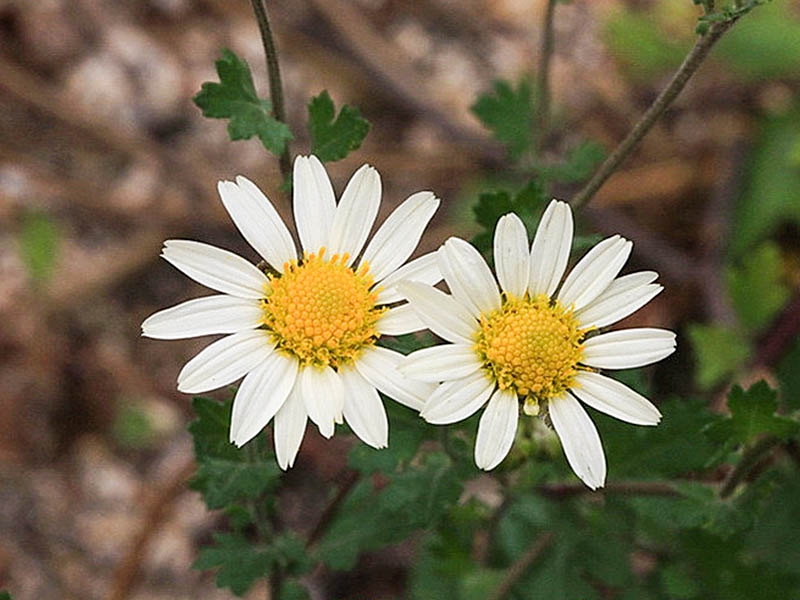
Growth Characteristics of Chrysanthemum indicum f. albescens Chrysanthemum indicum f. albescens is a perennial herbaceous plant belonging to the Asteraceae family, primarily found in Asia. This plant thrives in sunny environments and prefers well-drained soil. It typically grows to a height of 30–50 cm and blooms with white flowers in the autumn. Propagation Methods This plant is mainly propagated through cuttings and division. For cuttings, select a healthy stem in spring or autumn, cut it to a length of about 10 cm, and plant it in potting soil mixed with sand. Division is a method of dividing the roots in the spring and planting them in a new location. Propagation by seeds is also possible, but it takes longer than cuttings or division. Cultivation Methods Chrysanthemum indicum f. albescens grows well in sunny locations with well-drained soil. It is best to avoid excessive moisture and shaded areas. Water frequently during the summer to prevent the soil from drying out, and reduce watering during the winter. Use in the Garden This plant is excellent for planting in clusters in the garden, adding beautiful white flowers to the autumn landscape. It also harmonizes well with other perennials and pairs well with chrysanthemums, enhancing the atmosphere of the autumn garden. Major Pests and Diseases and Control Methods Major pests include leaf blight and fungal diseases, while aphids and silkworms can also frequently cause problems. To prevent diseases, maintain spacing between plants to ensure good ventilation and ensure proper drainage. Aphids and silkworms can be controlled using appropriate insecticides or by washing them off with water as an eco-friendly method. In the event of a fungal disease, remove the affected parts and apply an appropriate fungicide if necessary.
Plant Family
Asteraceae
Height
30~80cm
Colors
white
Bloom Period
September to November
Water Needs
commonly
Exposure
Sunny
Freezing Resistance
-15°C
Shin Chang Gujeolcho
Dendranthema sinchangense
Seokgok
Dendrobium moniliforme