English
한국어
English
Español
中文
हिंदी
Home
News
Community
Dictionary
English
한국어
English
Español
中文
हिंदी
View list
Seaweed stem tree
Tripterygium regelii
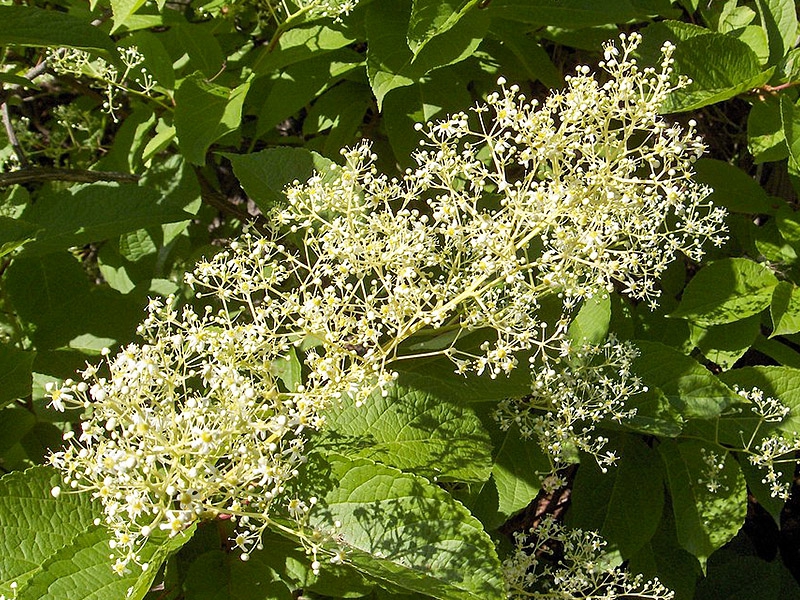
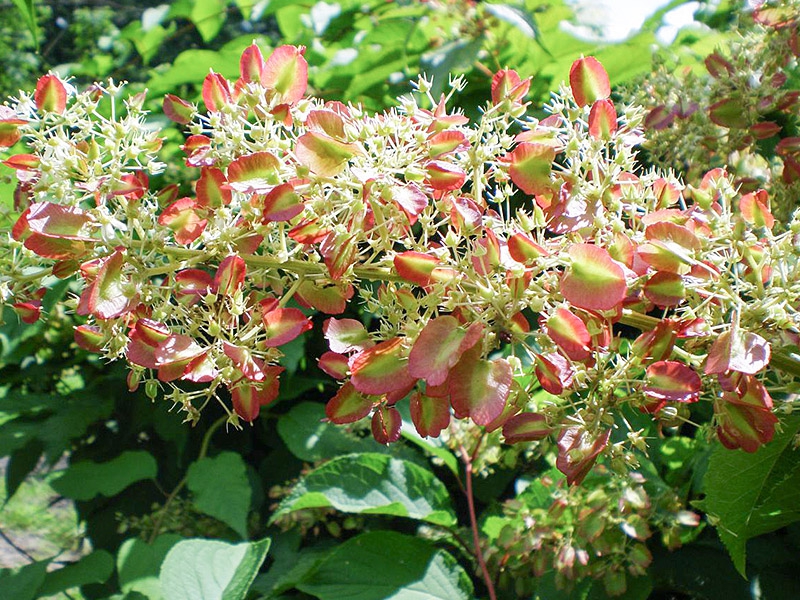
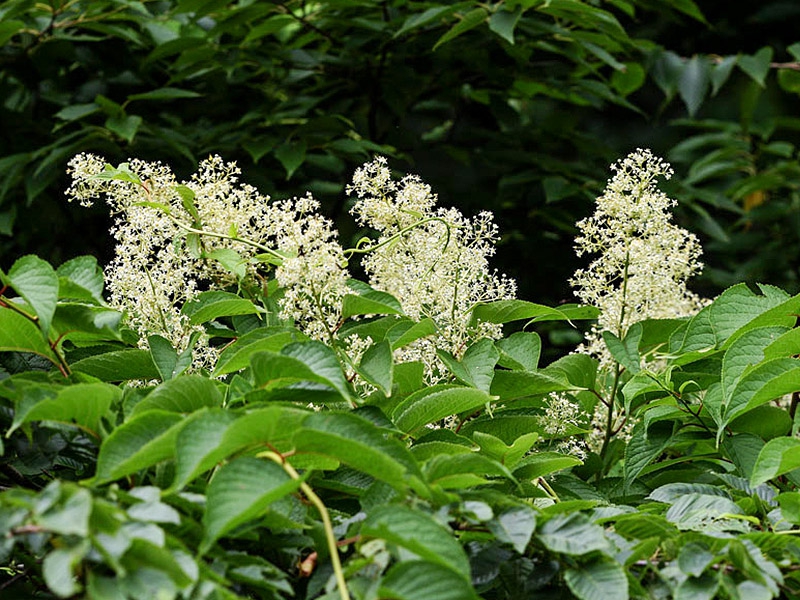
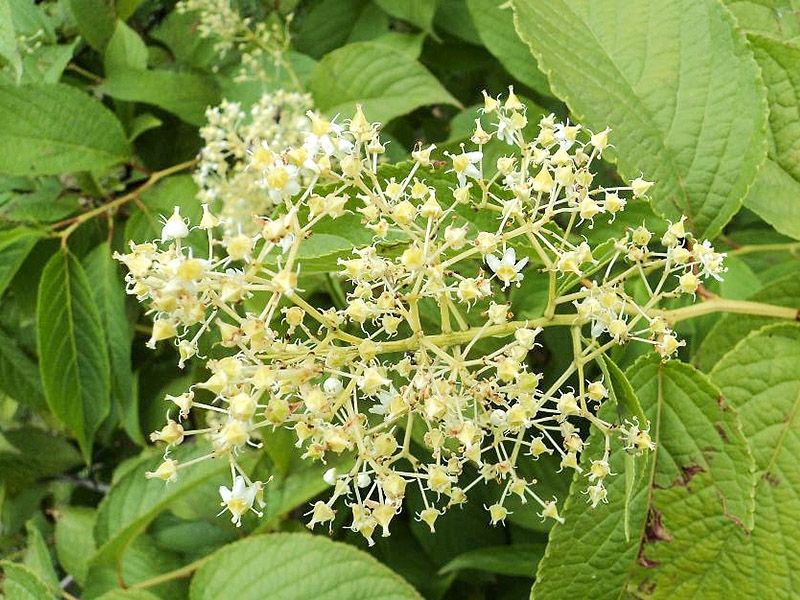
This guide provides information on the growth characteristics, propagation methods, cultivation methods, garden uses, major pests and diseases, and control methods of Tripterygium regelii. Growth Characteristics Tripterygium regelii is a deciduous broad-leaved shrub primarily distributed in Korea, China, and Japan. It grows to a height of approximately 2 to 4 meters, and its leaves are oval-shaped with serrated edges. Small white flowers bloom in the summer, and winged fruits are produced in the autumn. While it thrives in sunny locations, it can grow to some extent in partial shade. Additionally, it has good soil adaptability, allowing it to grow in various soil conditions. Propagation Methods It is primarily propagated by seeds or cuttings. For seed propagation, mature fruits are harvested in the autumn, and the seeds are extracted and planted immediately or sown the following spring. For cutting propagation, healthy branches are cut in the spring or summer, divided into appropriate lengths, and planted. Cultivation Methods Siberian vine thrives in well-drained soil, and it is important to avoid excessive moisture. After planting, water thoroughly, but ensure the soil maintains good drainage. Providing appropriate fertilizer during the growing seasons of spring and summer aids in growth. Additionally, pruning to shape the plant promotes healthier growth. Uses in the Garden Siberian vine is widely used as an ornamental plant in gardens due to its beautiful flowers and unique fruit. It is particularly effective for boundary planting or as a shrub hedge. In autumn, the fruit turns red, adding color to the garden. Major Pests and Control Methods Siberian vines are susceptible to pests such as aphids and scale insects. These pests should be detected early and controlled using insecticides. Additionally, fungal diseases can occur on the leaves; avoiding excessive moisture and ensuring good ventilation helps prevent this. If disease occurs, remove the affected parts and apply a fungicide. Through this method, you can cultivate and manage the Miyakjulnamu (Salvia miltiorrhiza) in a healthy way.
Plant Type
Plant Family
Arrowwood family
Height
2m
Spread
Colors
white
Bloom Period
June~July
Water Needs
commonly
Exposure
semi-shaded area
Freezing Resistance
-20°C
Climbing Gentian
Tripterospermum japonicum
dragonfly
Trisetum spicatum