English
한국어
English
Español
中文
हिंदी
Home
News
Community
Dictionary
English
한국어
English
Español
中文
हिंदी
View list
dragonfly
Trisetum spicatum
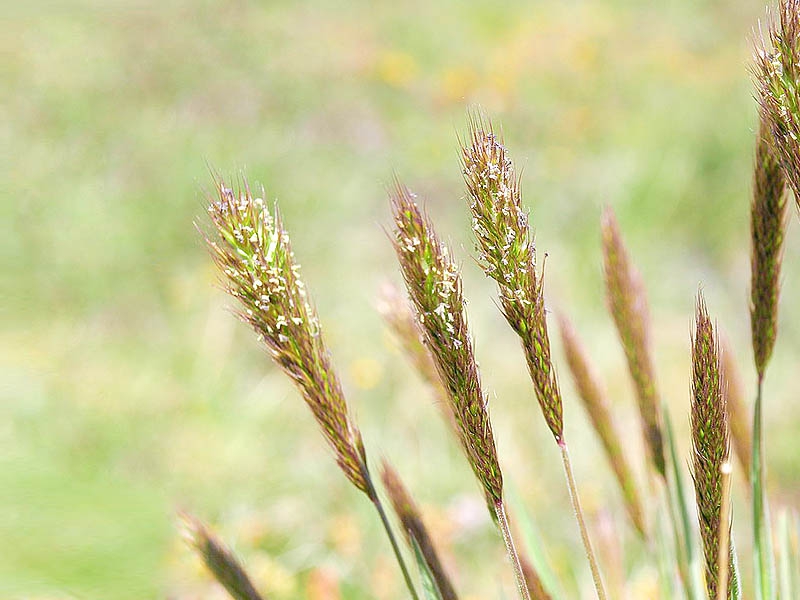
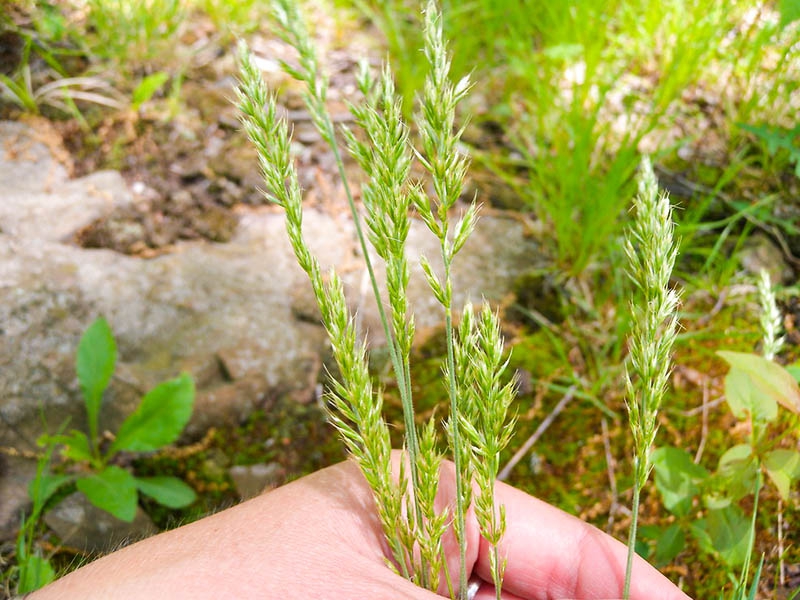
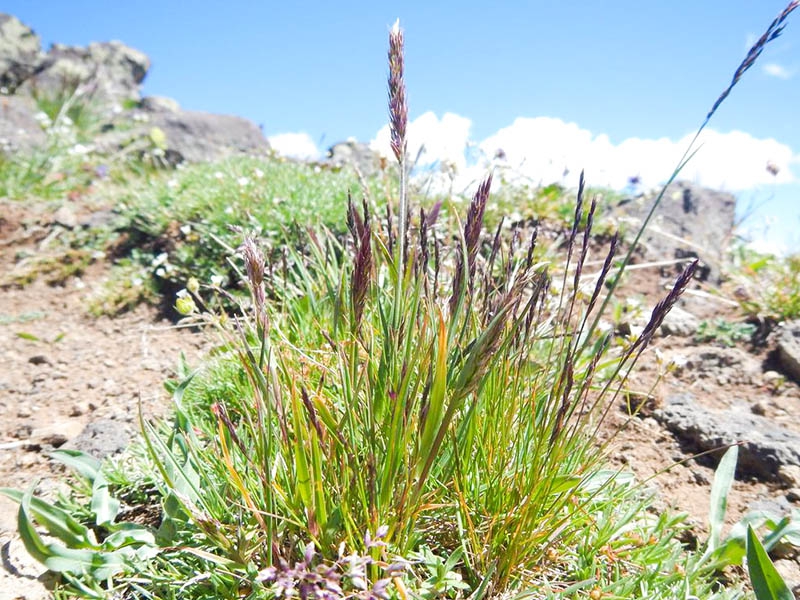
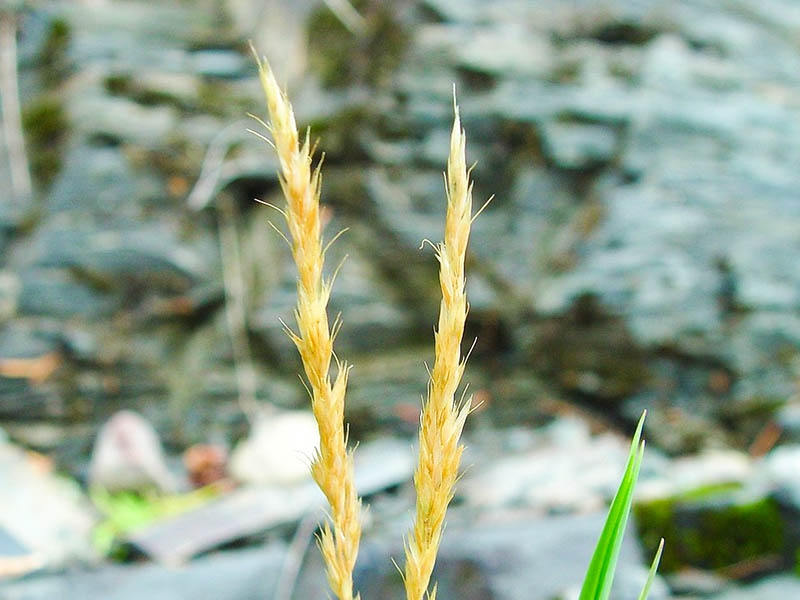
Growth Characteristics: Trisetum spicatum is a perennial herb that thrives primarily in alpine regions and cold temperate climates. Its roots spread out in a taproot system, and its leaves are linear, long, and narrow. This plant has stems that grow upright and produces yellow flowers in the summer. Propagation Method: It is primarily propagated by seeds. Seeds collected in winter can be sown in the spring, or they can be sown directly indoors in early autumn to germinate. While germination rates are generally high, young plants are susceptible to drought, so proper watering is necessary. Cultivation Method: This plant prefers well-drained soil and grows well in sunny locations. However, it is adaptable enough to grow in some shade. Regular watering and adequate nutrient supply promote healthy growth. Generally, fertile soil is preferred, but it can adapt to poor soil conditions to some extent. Garden Use: Spicata spicatum is well-suited for garden borders or rock gardens. It is particularly suitable for creating natural landscapes, and due to its high survivability even in high altitudes and cold climates, it can be utilized in a variety of garden environments. Important Pests and Control Methods: This plant is relatively resistant to pests and diseases, but mold or rust may occur on the leaves. To prevent this, it is recommended to plant it in a well-ventilated area and take care to avoid direct watering of the leaves. Additionally, appropriate pesticides can be used for control if necessary. As with common garden pests, damage can be minimized through thorough observation and appropriate control measures.
Plant Type
Plant Family
Poaceae
Height
10~30cm
Spread
Colors
Green, brown
Bloom Period
July~August
Water Needs
commonly
Exposure
Sunny
Freezing Resistance
-30°C
Seaweed stem tree
Tripterygium regelii
Siberian dragonfly blood
Sibirotrisetum sibiricum