English
한국어
English
Español
中文
हिंदी
Home
News
Community
Dictionary
English
한국어
English
Español
中文
हिंदी
View list
Small fern, punk tilobula
Dennstaedtia punctilobula
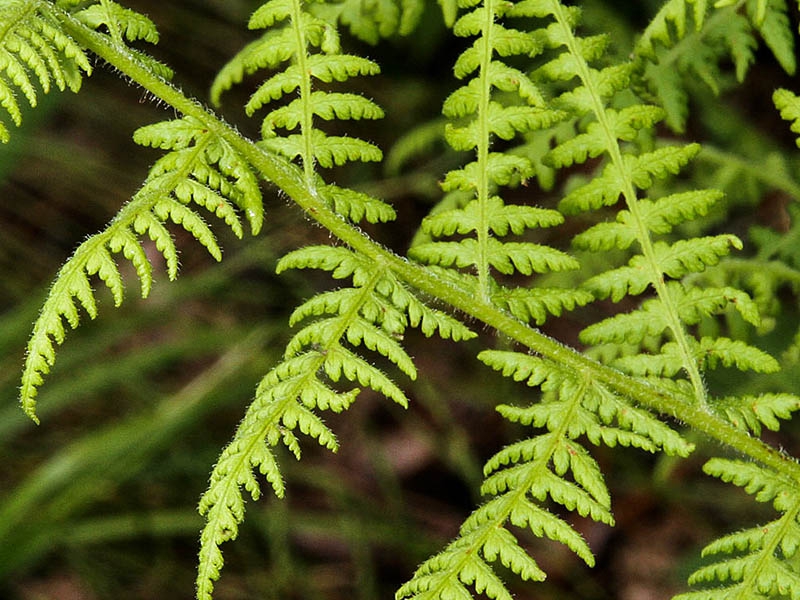
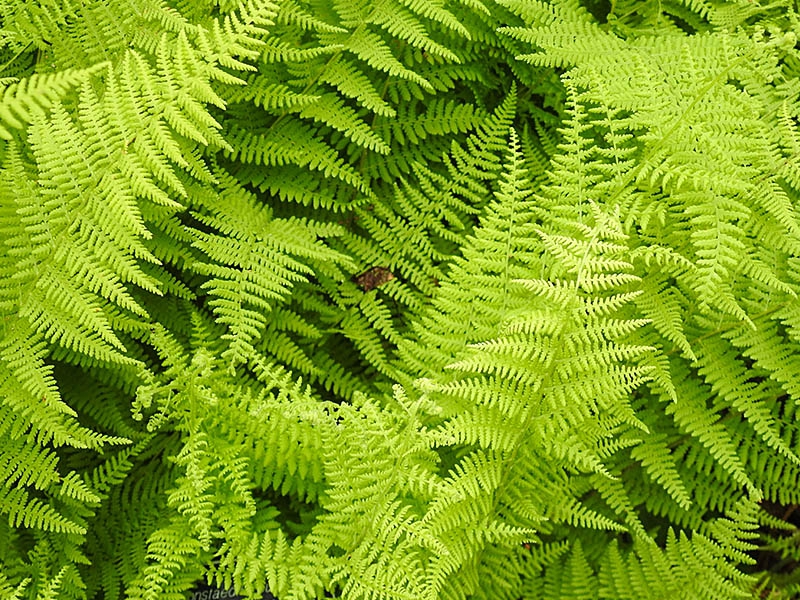
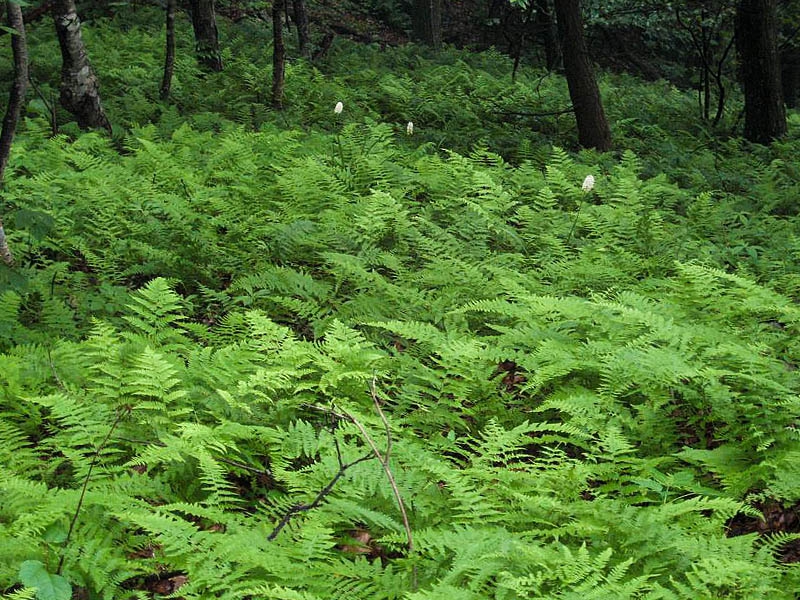
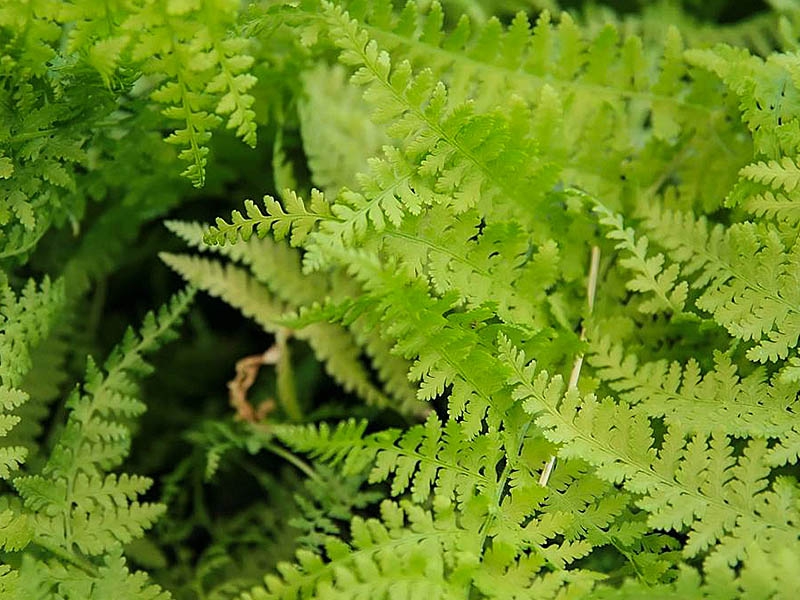
Dennstaedtia punctilobula is a type of fern native primarily to the eastern United States. The following is information regarding this plant's growth characteristics, propagation methods, cultivation techniques, garden uses, and major pests and control methods. Growth Characteristics - Environment: Dennstaedtia punctilobula thrives in partially shaded areas and prefers soil that retains moderate moisture. - Soil: Well-drained soil is optimal, and it grows well in acidic or neutral soils. - Height: Mature plants can grow up to approximately 60–90 cm. - Leaves: The leaves are feather-shaped, delicate, and have a soft texture. Propagation Methods - Spore Propagation: Dennstaedtia punctilobula reproduces via spores. It reproduces by naturally dropping mature spores once they have formed. - Root Division: It can be propagated by dividing roots during the growing season in spring or early summer. This allows for faster and more stable propagation. Cultivation Method - Location Selection: It is best to plant in a semi-shaded area. Exposing it to excessive sunlight can cause the leaves to burn. - Soil Preparation: Prepare soil that provides adequate drainage and retains moisture. - Planting: Spacing plants sufficiently apart prevents competition with other plants. - Watering: Avoid overwatering; water just enough to keep the soil moist. Garden Uses Dwarf ferns are widely used as ornamental plants because they add a natural touch to shady gardens. They pair particularly well with other ferns or shade-loving plants, and are suitable for rock gardens or as boundary plants. Important Pests and Control Methods - Diseases: While generally resistant to diseases, root rot can occur due to excessive moisture. This can be prevented by using well-draining soil and paying attention to watering. - Pests: While relatively resistant to common pests, it can be damaged by snails or slugs. To prevent this, keep the surrounding environment clean, and if necessary, use effective pesticides. Dwarf ferns are relatively easy to care for and are a good choice for adding natural beauty to your garden.
Plant Family
Fern family
Height
30~60cm
Spread
60~90cm
Colors
sporophyte
Bloom Period
April to August (spore period)
Water Needs
commonly
Exposure
semi-shaded area
Freezing Resistance
-30°C
small ferns
Dennstaedtia hirsuta
Willow comb
Deparia lancea