English
한국어
English
Español
中文
हिंदी
Home
News
Community
Dictionary
English
한국어
English
Español
中文
हिंदी
View list
Blue dog fern
Deparia viridifrons
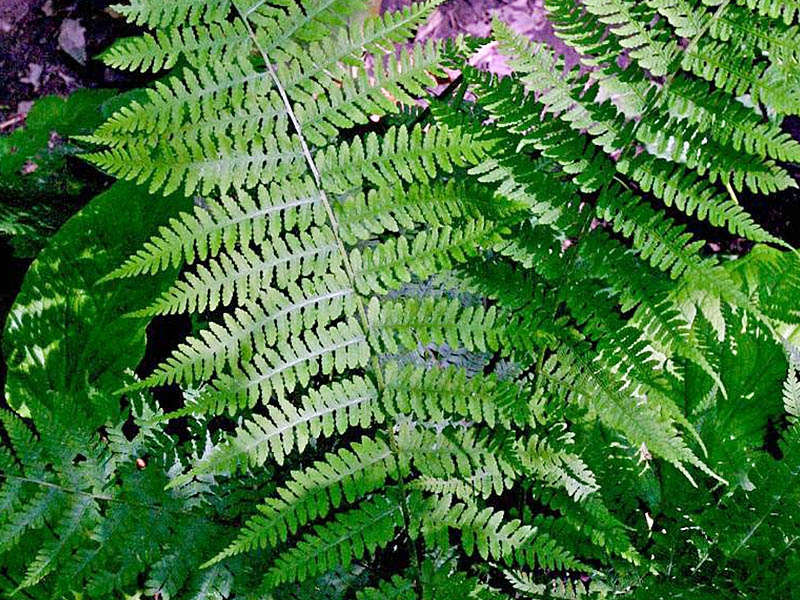
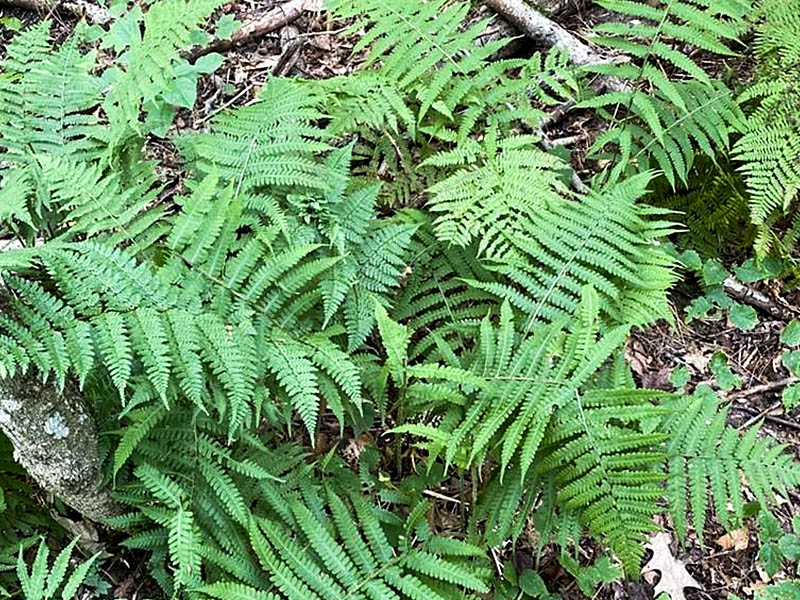
Deparia viridifrons is a fern that prefers shady and humid environments. It grows naturally mainly at forest edges or in wetlands, often growing alongside mosses. This plant thrives best in partial shade, avoiding direct sunlight. Growth CharacteristicsDeparia viridifrons grows to a height of approximately 60 to 100 cm and features long, green leaves. Its rhizomes are short and thick, characterized by numerous fine roots. Typically, the leaves grow profusely from spring through summer and dry up and disappear in winter. Propagation MethodsIt primarily reproduces by spores. Spores are formed in sporangia located on the undersides of the leaves and are dispersed by the wind to grow into new individuals. Propagation by division of the rhizomes is also possible. Dividing the rhizomes during repotting is an effective method. Cultivation MethodsWhen cultivating Deparia viridifrons, it is important to select well-draining soil. The ideal soil pH is between slightly acidic and neutral, and it is recommended to improve soil fertility by mixing in sufficient organic fertilizer. The ideal planting location is a partially shaded spot, and watering should be done moderately. In particular, care must be taken to prevent the soil from drying out during the summer. Uses in the GardenThe blue-flowered fern is excellent for planting in shady gardens or areas with high moisture. It pairs well with mosses and other shade plants, making it useful for creating a natural garden environment. In particular, it adds beauty as a border plant or background plant. Important Pests and Control MethodsThe blue-flowered fern is generally resistant to pests and diseases, but fungal or bacterial diseases may occasionally occur. To prevent this, it is recommended to space the plants sufficiently apart to ensure good air circulation. If a disease occurs, manage it by using fungicides or fungicides appropriately. Additionally, pay attention to drainage to prevent root rot caused by excessive moisture. Pests rarely occur, but if aphids or similar pests appear, they can be removed by wiping them off with soapy water or using eco-friendly insecticides.
Plant Family
Fern family
Height
50∼100cm
Colors
sporophyte
Bloom Period
June to September (spore period)
Water Needs
commonly
Exposure
semi-shaded area
Freezing Resistance
-10°C
dog bracken
Deparia
×
angustata
hairy fern
Deparia pycnosora