English
한국어
English
Español
中文
हिंदी
Home
News
Community
Dictionary
English
한국어
English
Español
中文
हिंदी
View list
I also...
Deparia pseudoconilii
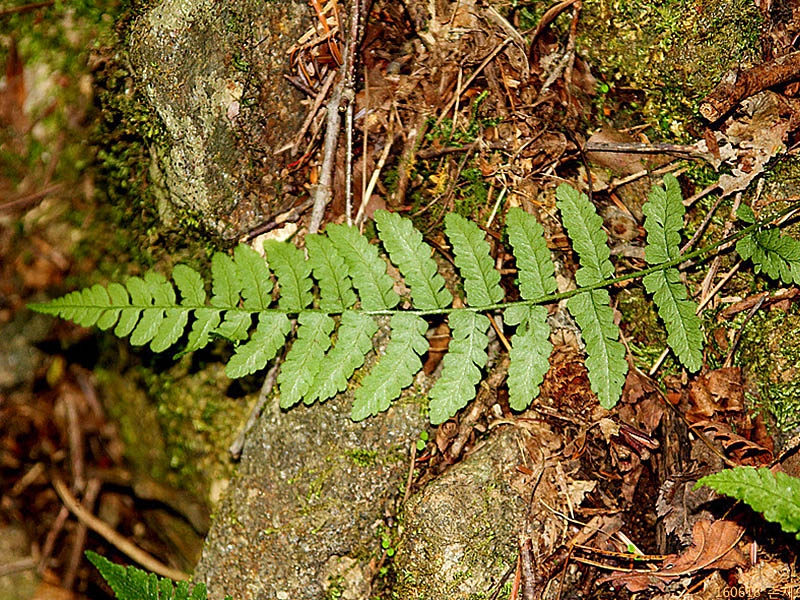
Deparia pseudoconilii is a fern native to East Asia, including Korea, and thrives in shady, moist mountainous areas. This plant can grow in neutral to slightly acidic soil, but maintaining adequate moisture is important. Growth Characteristics: Deparia pseudoconilii grows best in partial shade and particularly prefers hot and humid environments. It requires sufficient watering during the summer for healthy growth, while watering should be reduced during the winter. Propagation Methods: It primarily reproduces by spores, but propagation is also possible through root division. For spore propagation, collect mature spores, mix them with sand, scatter them over the soil, and cover with a lightweight mulch. Root division is best performed in spring or autumn. Cultivation Methods: - Soil: It is recommended to use well-draining soil. Mixing in compost or starch is beneficial. - Location: Cultivate in partial shade where direct sunlight does not reach. 3. Watering: Keep the soil slightly moist at all times, but ensure good drainage. Uses in the Garden: It can be used to decorate shaded areas, small groves, or borders in the garden. It can create a beautiful effect when arranged harmoniously with other shade plants. Important Pests and Control Methods: Pests and diseases can occur primarily in humid environments. Common problems include leaf browning and mold, which are mainly caused by excessive moisture. To prevent this, proper watering and ventilation are important. Additionally, diseased leaves should be removed immediately, and pesticides should be used for control if necessary. General fungicides or insecticides can be used, but be sure to check the instructions on the label before use.
Plant Family
Fern family
Height
30~60cm
Colors
sporophyte
Bloom Period
July to September (spore period)
Water Needs
commonly
Exposure
semi-shaded area
Freezing Resistance
-10°C
hairy fern
Deparia pycnosora
Tamra Jingosari
Deparia petersenii