English
한국어
English
Español
中文
हिंदी
Home
News
Community
Dictionary
English
한국어
English
Español
中文
हिंदी
View list
Gopseogosari
Deparia coreana
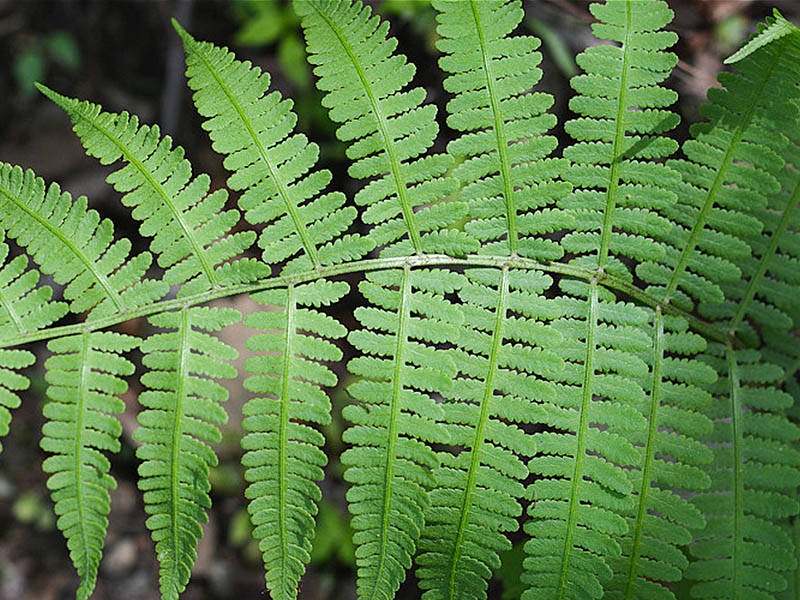
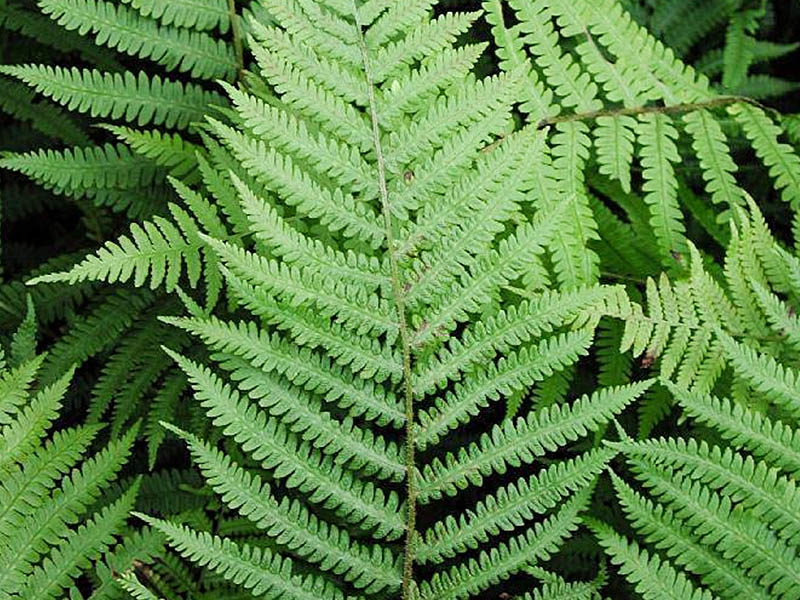
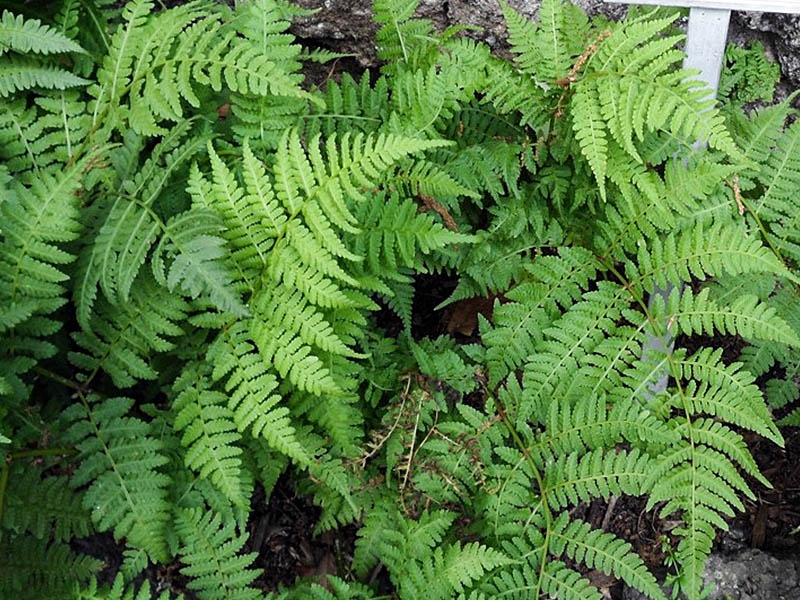
Deparia coreana has the following characteristics regarding growth, propagation and cultivation methods, garden use, and pest and disease management. Growth Characteristics: Deparia coreana is native to temperate and subtropical regions and thrives even in shady areas. It is lush with green leaves in the summer and can grow up to 60 cm in height. It likes moisture and prefers well-drained soil. Propagation Methods: Deparia coreana is primarily propagated by spores and division. Spores mature in the summer, and it can also be easily propagated by division. Simply separate and plant new plants that have grown in late spring. Cultivation Methods: When cultivating Deparia coreana, it is best to grow it in partial shade, and it is important to plant it in well-drained soil. Regular watering is necessary to prevent the soil from drying out. Applying an appropriate amount of organic fertilizer in the spring and autumn helps with growth. Use in the Garden: Dryopteris crassipes can be planted alongside other plants to add a natural touch to the garden. In particular, planting them in shaded areas can provide a landscaping effect through their beautiful green foliage. Important Pests and Control Methods: Dryopteris crassipes are relatively resistant to pests and diseases, but they can be attacked by aphids or snails. In such cases, it is recommended to use natural insecticides, and physical pest removal methods are also effective. It is important to observe the plant regularly and respond quickly if pests or diseases occur. By taking these points into consideration and managing the plant properly, Dryopteris crassipes can grow beautifully in the garden.
Plant Family
Fern family
Height
60~100cm
Colors
sporophyte
Bloom Period
July to September (spore period)
Water Needs
commonly
Exposure
semi-shaded area
Freezing Resistance
-10°C
large bracken
Deparia dimorphophylla
Flexuosajomsaepul
Deschampsia flexuosa