English
한국어
English
Español
中文
हिंदी
Home
News
Community
Dictionary
English
한국어
English
Español
中文
हिंदी
View list
dragonfly blood
Sibirotrisetum bifidium
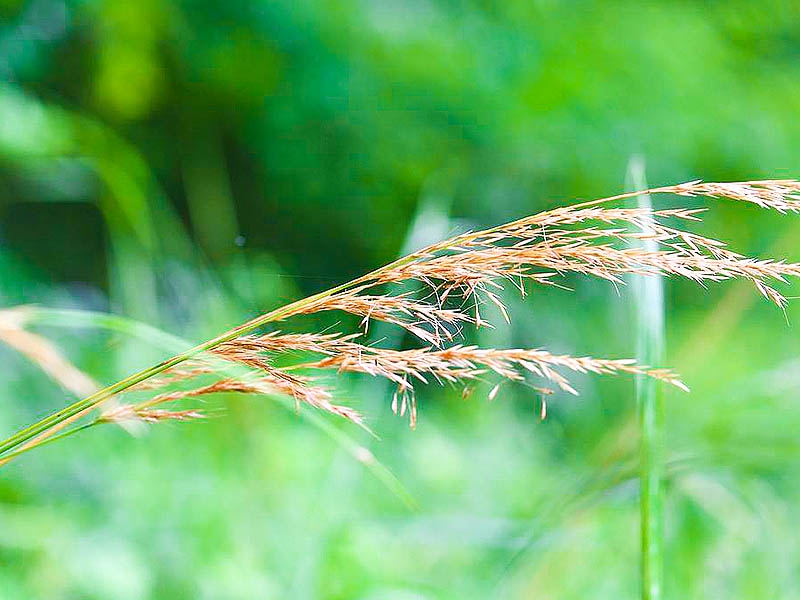
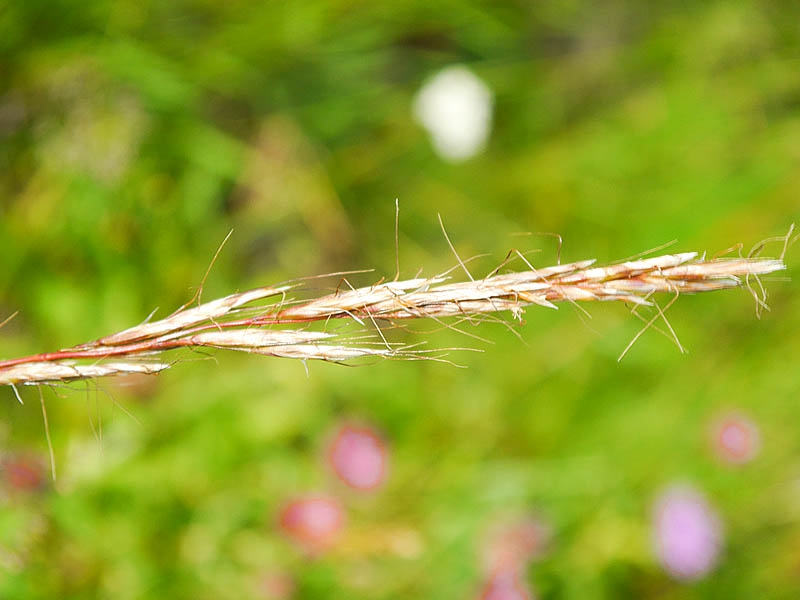
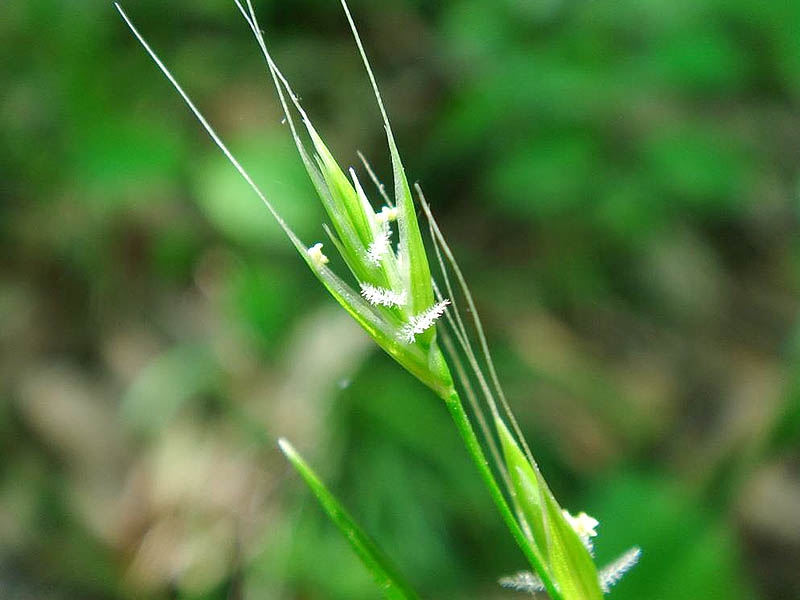
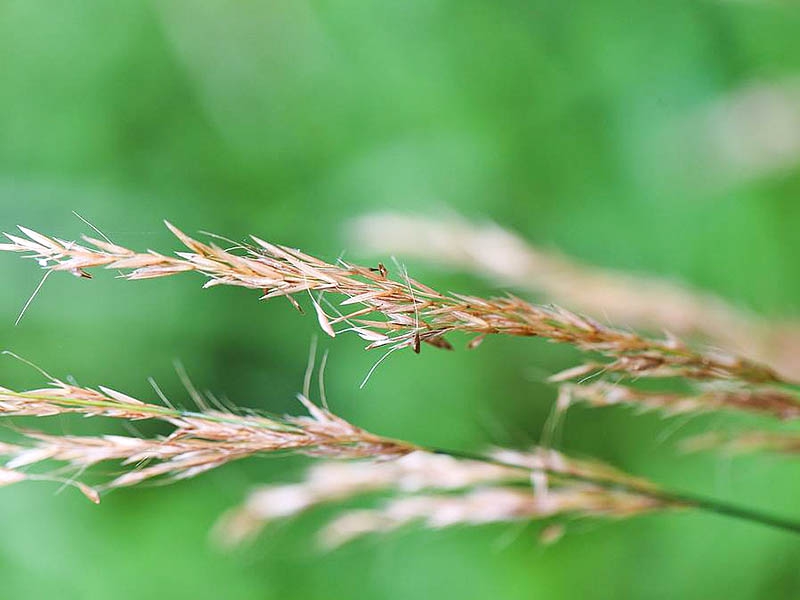
Growth Characteristics Trisetum bifidium is a perennial herb that grows primarily in mountainous areas. This plant grows to a height of approximately 30–60 cm, and while its roots are not deep, they develop robustly. The stems are straight and slender, and the leaves are narrow, long, and have sharp tips. Propagation Methods This plant is mainly propagated by seeds, which can be sown in spring or autumn. The seeds have high germination rates and grow well under suitable conditions after sowing without the need for special treatment. It can also be propagated by dividing rhizomes. Cultivation Methods - Soil: It thrives in well-drained soil. It prefers slightly acidic to neutral soil. - Sunlight: It can tolerate full sun to partial shade. - Watering: It is important to avoid excessive moisture and provide adequate water. - Fertilizer: No special fertilizer is required, but it is recommended to apply a small amount of organic fertilizer in the spring. Garden Use Bifidium dragonfly can be effectively used for gardens with a natural feel, particularly when you desire the atmosphere of fields or mountains. It is also suitable for slope stabilization or as a boundary plant. Important Pests and Control Methods - Diseases: Generally, this is not a major issue, but root rot may occur if the soil becomes waterlogged. This can be prevented by maintaining good drainage. - Pests: Although pest infestations are infrequent, aphids may appear on the leaves. In this case, you can wipe them off with water or soapy water, or use natural pest control agents. Based on this information, proper care is required for the healthy growth of Bifidium dragonfly.
Plant Type
Plant Family
Poaceae
Height
40∼80cm
Spread
Colors
Green, brown
Bloom Period
April to May
Water Needs
commonly
Exposure
Sunny
Freezing Resistance
-20°C
Siberian dragonfly blood
Sibirotrisetum sibiricum
Tritelia 'Queen Fabiola'
Triteleia laxa 'Queen Fabiola'