English
한국어
English
Español
中文
हिंदी
Home
News
Community
Dictionary
English
한국어
English
Español
中文
हिंदी
View list
Quickly
Descurainia sophia
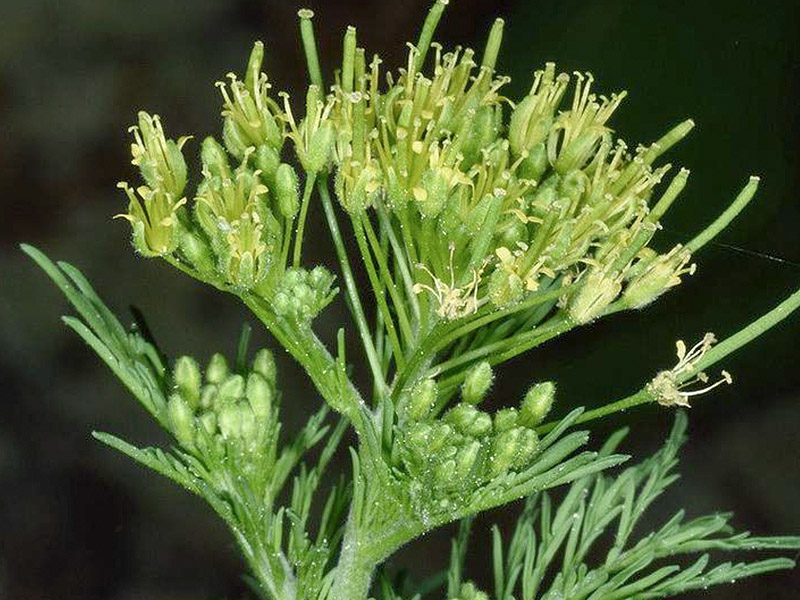
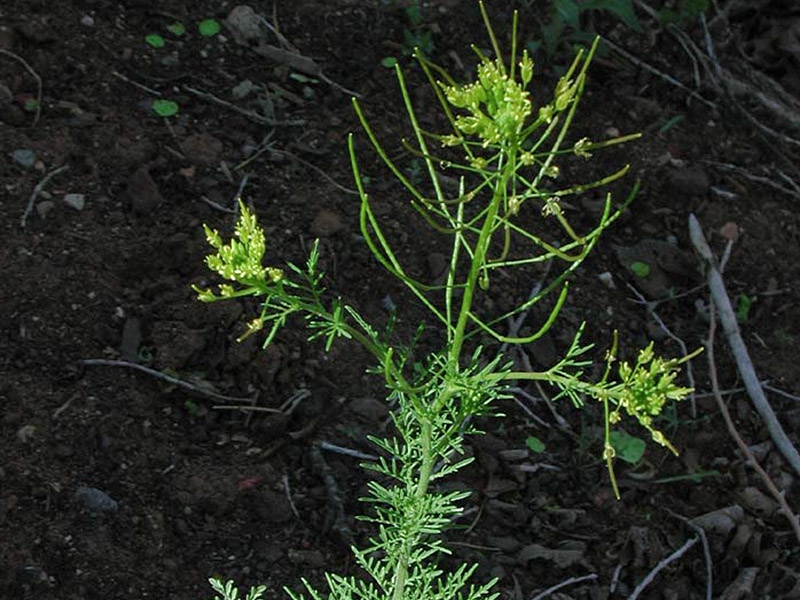
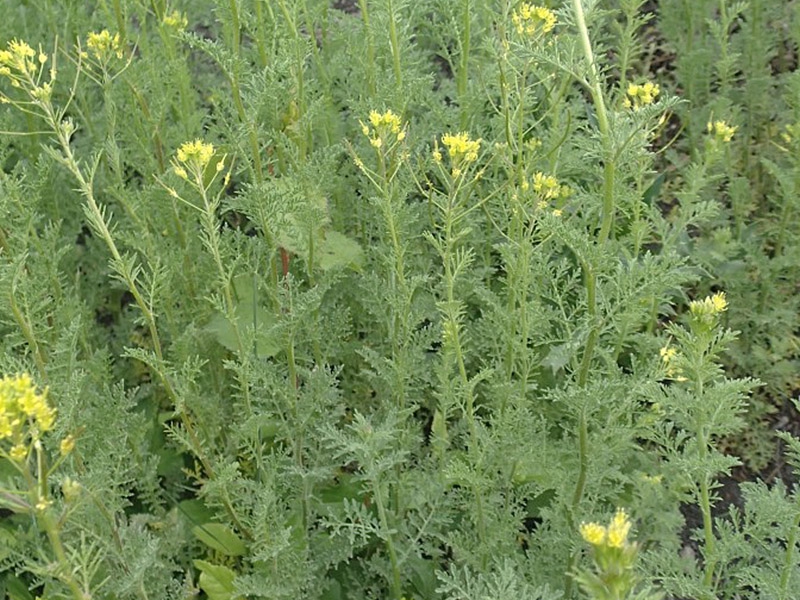
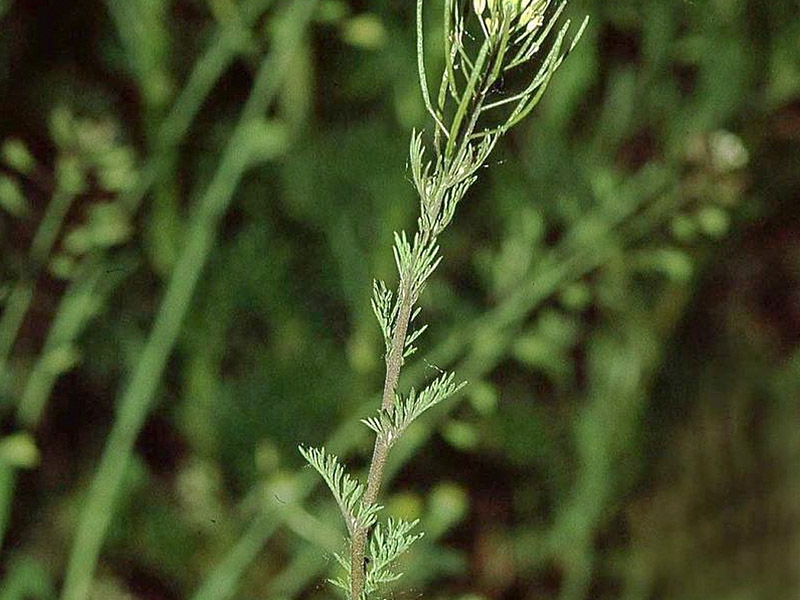
Descurainia sophia is a plant belonging to the Brassicaceae family. Although not commonly found in Korea, it is attracting attention for its unique aesthetic value and pharmacological efficacy when suitable cultivation conditions exist. The following is information regarding Descurainia sophia’s growth characteristics, propagation methods, cultivation methods, garden uses, and major pests and diseases and control methods. Growth Characteristics - Environmental Conditions: Descurainia sophia prefers sunlight but can also thrive in partial shade. While relatively tolerant of dry environments, it tends to grow better in moist soil. - Soil: It grows best in well-drained neutral or slightly acidic soil. It is recommended to maintain moderate soil fertility. Propagation Methods - Seeds: It is primarily propagated by seeds. Due to its high germination rate, it can be easily cultivated using simple methods. Seeds can be sown directly in the open ground in spring or autumn, or seedlings can be grown indoors and planted. - Transplanting: Collect seedlings from the wild plant and transplant them to the desired location. Cultivation Methods - Sowing Time: Generally, spring or early autumn is suitable. - Spacing: Maintain a distance of approximately 20–30 cm between plants to ensure sufficient space. - Watering: Avoid overwatering; it is best to water when the surface soil is dry. Uses in the Garden - Landscape Plant: Its beautiful leaves and flowers make it excellent for garden landscaping. Its fragrant nature allows it to harmonize well with various other plants. - Medicinal Herb: It is used as a medicinal herb and is also utilized in folk medicine as a natural control agent against harmful organisms. Important Pests and Diseases & Control Methods - Diseases: It can be susceptible to fungal diseases; proper spacing and ventilation are important to prevent this. - Pests: It can be damaged by common pests such as aphids. Respond early with physical or natural control measures through regular observation. - Control Methods: Environmentally friendly control methods are emphasized, and eco-friendly insecticides are used when necessary. Sophia jasuk is a plant that requires consistent attention and care in the garden, but it offers excellent aesthetic value and practical benefits.
Plant Family
Cruciferae
Height
30~70cm
Colors
yellow, white
Bloom Period
May~June
Water Needs
commonly
Exposure
Sunny
Freezing Resistance
-15°C
Goldschiyer
Deschampsia cespitosa
'Goldschleier'
Nadojaesuk
Descurainia pinnata