English
한국어
English
Español
中文
हिंदी
Home
News
Community
Dictionary
English
한국어
English
Español
中文
हिंदी
View list
Tritelia 'Queen Fabiola'
Triteleia lax
'Queen Fabiola'
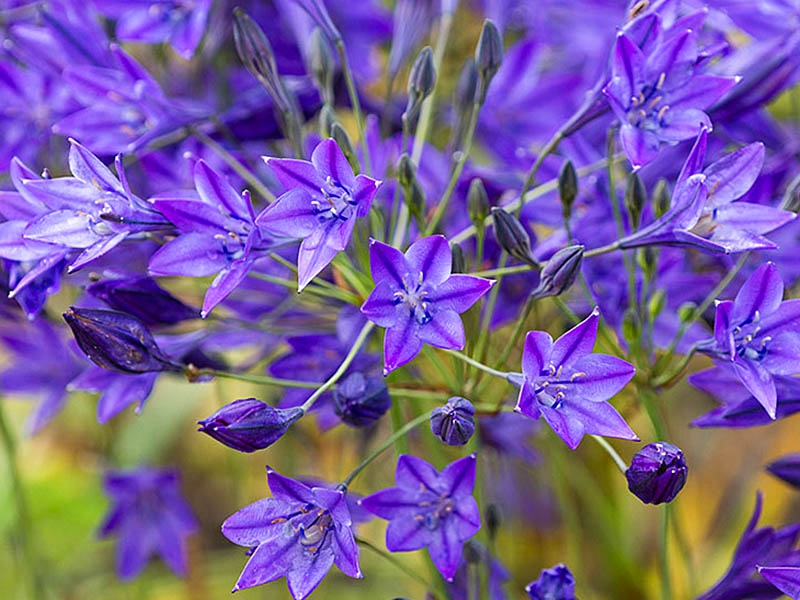
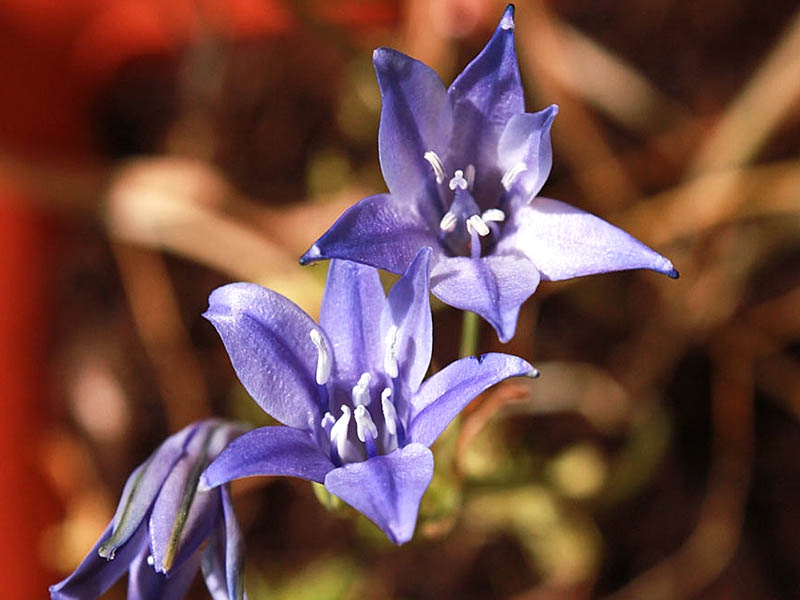
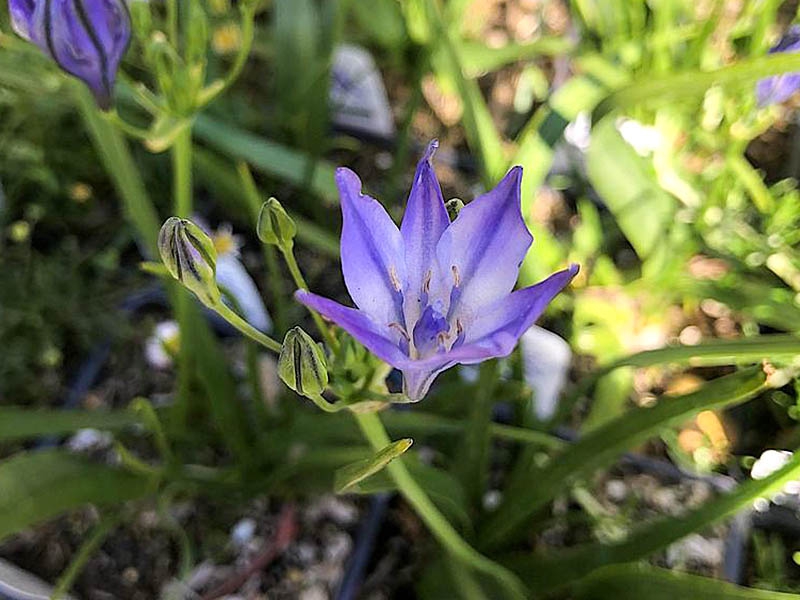
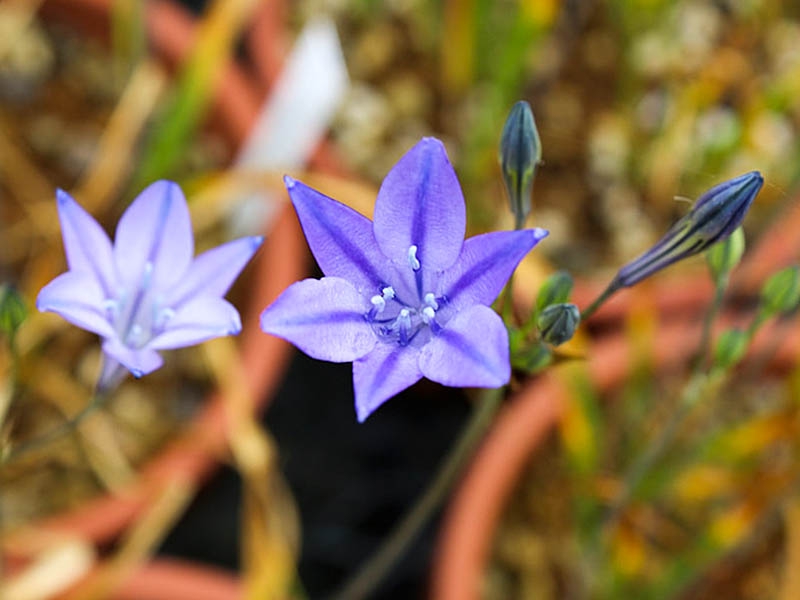
Triteleia laxa 'Queen Fabiola' is a bulbous plant belonging to the Liliaceae family, characterized by its beautiful purple flowers. Growth Characteristics - Height: It grows to approximately 30–50 cm and has long, slender leaves. - Flowers: It blooms in May and June, with star-shaped purple flowers clustered in an umbrella-like shape. - Climate: It prefers a mild climate and thrives in sunny locations from spring to summer. Propagation Methods - Bulb Division: It can be propagated by dividing bulbs in the autumn. - Seed Sowing: It can also be propagated by seeds, but it takes a long time for the plant to flower. Cultivation Methods - Soil: It grows well in well-drained soil, and excessively wet environments should be avoided. - Watering: It is best to water when the topsoil dries out, and overwatering should be avoided. - Fertilizer: Apply an appropriate amount of slow-release fertilizer during the spring growing season. Uses in Gardens - Border Planting: Planting along roadsides or near boundaries creates a beautiful border. - Flower Beds: Planting alongside other perennials can add volume to the garden. - Arrangements: Cut flowers can also be used as material for flower arrangements. Important Pests and Control Methods - Diseases: While generally resistant to diseases, bulb rot may occur in overly wet environments. Therefore, proper drainage is essential. - Pests: Aphids or snails may rarely occur. - Control Methods: Aphids can be controlled using soapy water or natural insecticides containing herbal extracts. Snails can be removed physically or controlled using attractants. Tritelia 'Queen Fabiola' is a beautiful bulbous plant that is relatively easy to maintain, making it suitable for beginners to grow.
Plant Type
Plant Family
Broom family
Height
30~60cm
Spread
180cm
Colors
purple
Bloom Period
May~June
Water Needs
commonly
Exposure
Sunny
Freezing Resistance
-10°C
dragonfly blood
Sibirotrisetum bifidium
Triteleia 'Starlight'
Triteleia ixioides 'Starlight'