English
한국어
English
Español
中文
हिंदी
Home
News
Community
Dictionary
English
한국어
English
Español
中文
हिंदी
View list
gillyflower
Dianthus chinensis
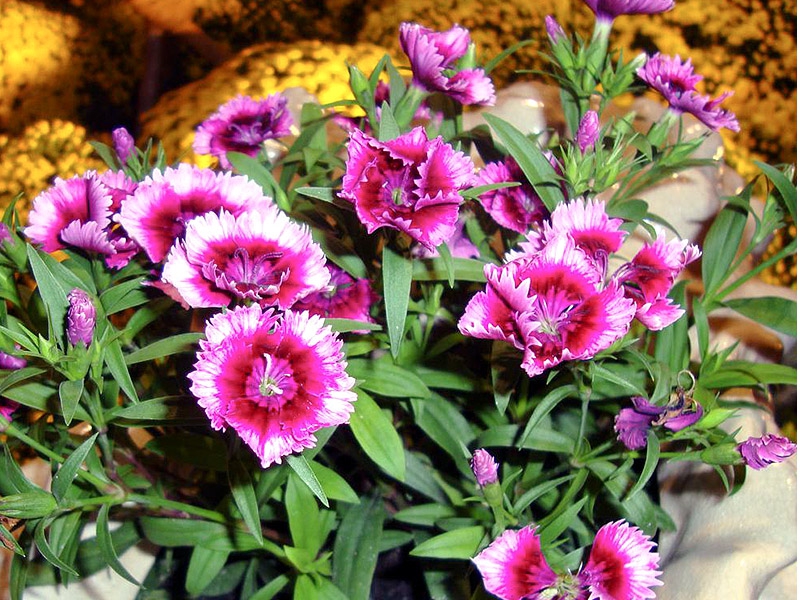
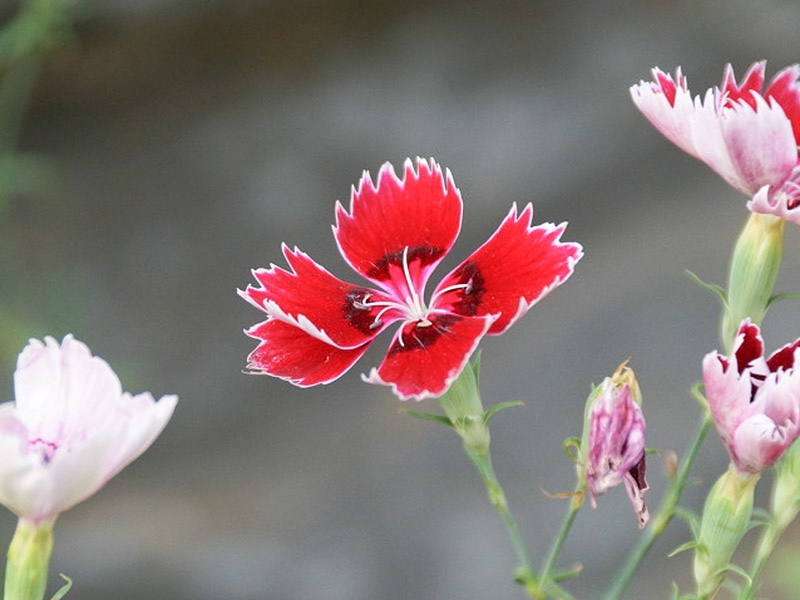
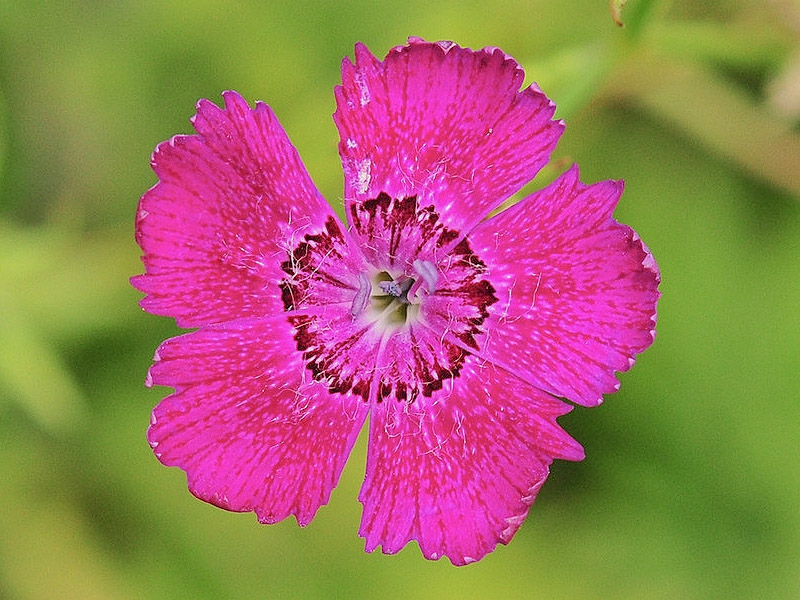
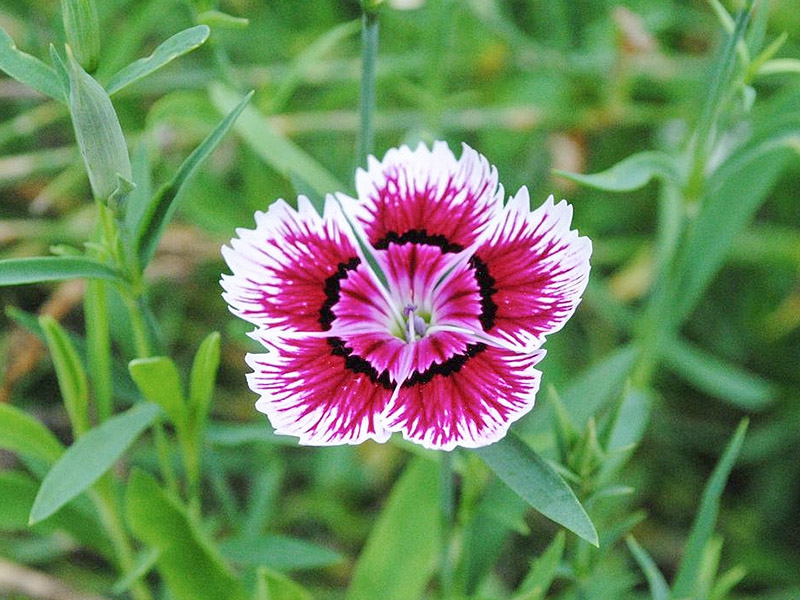
Growth Characteristics and Management Methods of Dianthus chinensis - Growth Characteristics: - Classification: Dianthus chinensis is a perennial herbaceous plant belonging to the Caryophyllaceae family. - Size: It typically grows to a height of 30–50 cm and blooms from early summer to autumn. - Flowers: Flower colors are mainly red, pink, and white, although there are also varieties with colorful hues. The petals are attractive, usually featuring serrated edges. - Environment: It thrives in sunny locations but can tolerate some shade. It prefers well-drained soil, and roots may rot in overly wet areas. - Propagation Methods: - Seeds: It can be propagated by sowing seeds in the spring. Germination occurs approximately 10–14 days after sowing, and young plants should be transplanted little by little to sunny locations. - Cuttings: It can also be propagated by cutting stems in the summer or early autumn. Cut a stem, plant it in sand and clay or potting soil, and water to encourage rooting. - Cultivation Method: - Spacing: It is recommended to plant with a minimum spacing of 20 to 30 cm. - Watering: Be careful to prevent the roots from being exposed to a humid environment for extended periods, and water when the soil becomes dry. - Fertilizer: Generally, there are no major requirements, but it is beneficial to use an appropriate amount of slow-release fertilizer during the early growth stage. - Pruning: After the flowers have withered, remove the dead flowers to encourage new blooms and to tidy up the overall shape. - Use in Gardens: - Dianthus are used in flowerbeds, borders, roadsides, and rock gardens, providing excellent landscaping decoration with their diverse colors and shapes. - Major Pests and Control Methods: - Diseases: Gray mold and root rot may occur. Manage soil conditions to ensure proper drainage and take care to avoid excessive moisture. - Pests: Aphids and moths may occur. To control them, consider using insect nets, natural predators, or applying insecticides regularly if necessary. - Prevention: Adjust the planting time and location appropriately, and ensure good ventilation by avoiding overcrowding. Immediately remove any plants affected by pests or diseases to prevent transmission to surrounding plants. Dianthus is a relatively easy plant to care for; as long as the right environment is provided, you can enjoy its beautiful flowers for a long period.
Plant Family
Caryophyllaceae
Height
30cm
Colors
purple, magenta
Bloom Period
June to August
Water Needs
commonly
Exposure
Sunny
Freezing Resistance
-10°C
Sea pink
Dianthus japonicus
carnation
Dianthus caryophyllus