English
한국어
English
Español
中文
हिंदी
Home
News
Community
Dictionary
English
한국어
English
Español
中文
हिंदी
View list
Baby tiger lily
Tritonia
×
crocosmiiflora
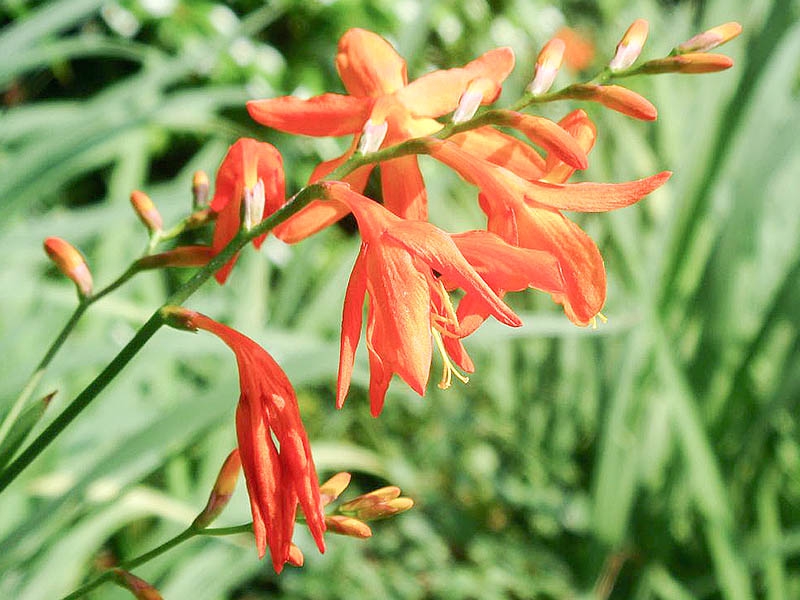
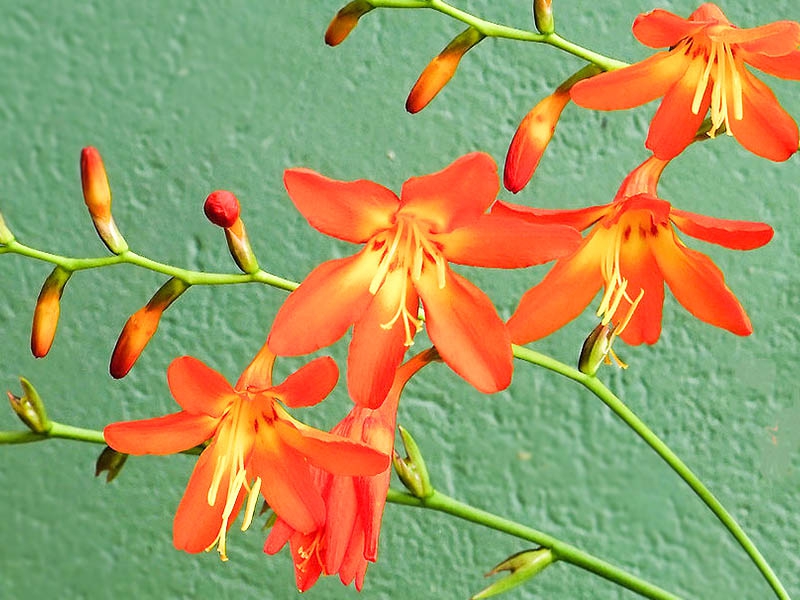
Tritonia x crocosmiiflora is a perennial plant native to Africa, famous for its showy flowers. The following provides information on the growth characteristics, propagation methods, cultivation methods, garden uses, and major pests and diseases, as well as control methods. - Growth Characteristics: - Tritonia x crocosmiiflora thrives primarily in sunny locations and reaches a height of approximately 60 to 90 cm. - It blooms with colorful flowers in orange, red, and yellow from summer to early autumn. - Bulbs form at the base of the roots, which store nutrients. - Propagation Methods: - It is primarily propagated via bulbs. It is common practice to collect bulbs in the autumn and plant them in the spring. - While seed propagation is possible, bulb propagation is more commonly used due to the low germination rate. 3. Cultivation Method: - It prefers well-draining soil, with a pH of 6.0 to 7.0 being suitable. - Plant in a well-draining pot or garden bed, and grow in a sunny location. - Water sufficiently, but be careful not to overwater. - Use in the Garden: - Thanks to its showy flowers, it is excellent for use as a border plant or background plant in the garden. - Since varieties come in various colors, it can add color to your garden. - Major Pests and Diseases & Control Methods: - It is mainly susceptible to damage from aphids, snails, and slugs. - Aphids can be controlled by washing with soapy water or using appropriate insecticides. - Snails and slugs can be removed manually or controlled using bait. - It is important to be careful of root rot caused by overwatering and to manage drainage thoroughly. The dwarf fan is a relatively easy plant to care for, and if provided with the right environment, you can expect a wonderful decorative effect in the garden.
Plant Type
Plant Family
Iris family
Height
50~80cm
Spread
Colors
red, orange, yellow
Bloom Period
July to September
Water Needs
commonly
Exposure
Sunny
Freezing Resistance
-10°C
Mill Iced Tea Boom
Triticum aestivum
hedgehog grass
Triumfetta japonica