English
한국어
English
Español
中文
हिंदी
Home
News
Community
Dictionary
English
한국어
English
Español
中文
हिंदी
View list
Bark-yam
Diarrhena mandshurica
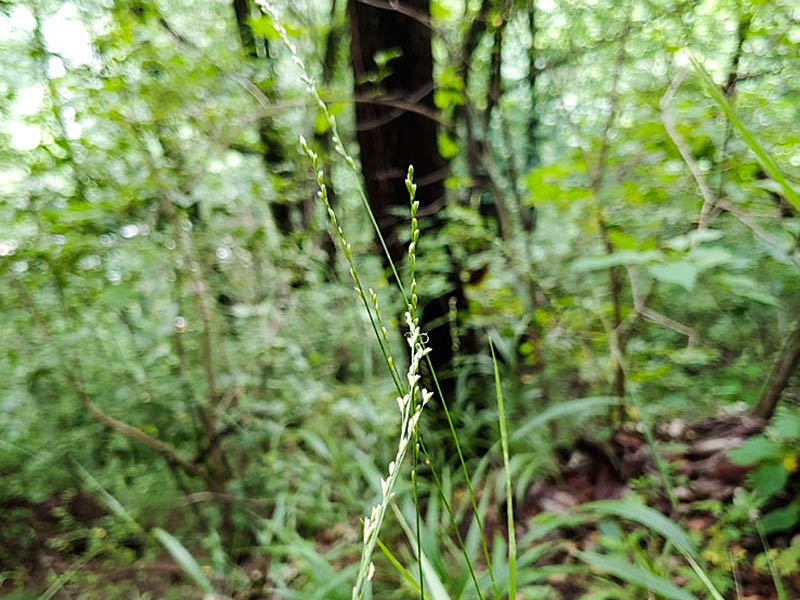
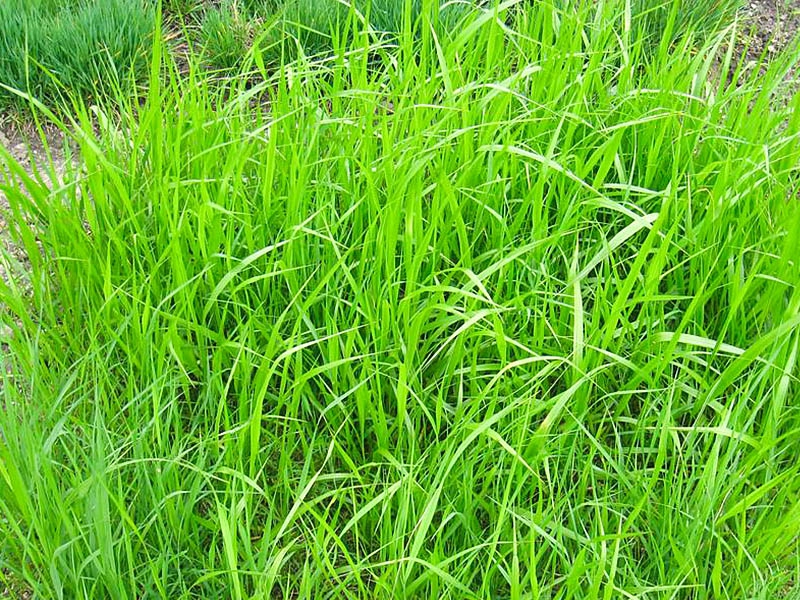
Diarrhena mandshurica is a perennial herb that grows primarily in northeastern Asia. This plant prefers humid environments and thrives along riverbanks and in wetlands. In terms of growth characteristics, it is highly cold-hardy, allowing it to survive well even in cold regions, and is relatively easy to care for. It typically grows to a height of 60 to 120 cm, and its leaves are elongated and thin. Propagation is mainly possible via root division or seeds. Root division is suitable for spring or autumn; it involves dividing the roots of a mature plant into several parts and planting them. For seed propagation, seeds can be sown directly in the spring, or seedlings can be grown indoors and then transplanted. In terms of cultivation, it is important to provide the humid environment required by Diarrhena mandshurica. A location with good drainage and well-maintained soil is ideal. It tolerates sunlight ranging from partial shade to full sun, but growth may be slightly slower without it. It requires regular watering, and using organic fertilizers rather than mechanical fertilizers is recommended. When used in a garden, it blends well with natural garden designs and is particularly effective when placed near wetlands or water sources. Additionally, planting it alongside various other plants to form a plant community can make it even more attractive. Major pests include leaf-eating insects and aphids, which may cause leaf spots or discoloration. Pest control requires periodic leaf observation and minor pruning. For eco-friendly control, appropriate spraying with a solution of vinegar and water or biological control using natural enemies can be considered. If chemical control is necessary, specialized pesticides must be used, and the application instructions must be strictly followed.
Plant Family
Poaceae
Height
50∼90cm
Colors
green
Bloom Period
July–August
Water Needs
commonly
Exposure
semi-shaded area
Freezing Resistance
-30°C
Sammae
Diapensia lapponica
var.
obovata
Dragon's beard
Diarrhena japonica