English
한국어
English
Español
中文
हिंदी
Home
News
Community
Dictionary
English
한국어
English
Español
中文
हिंदी
View list
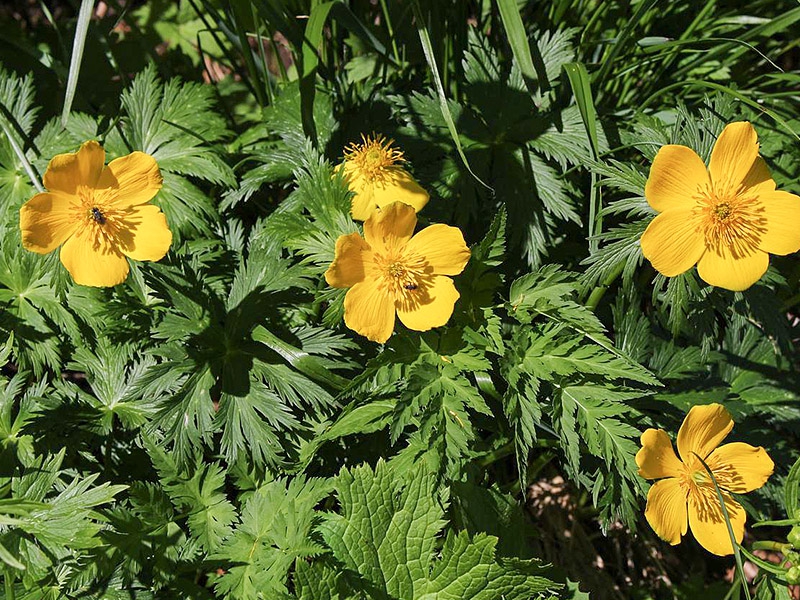
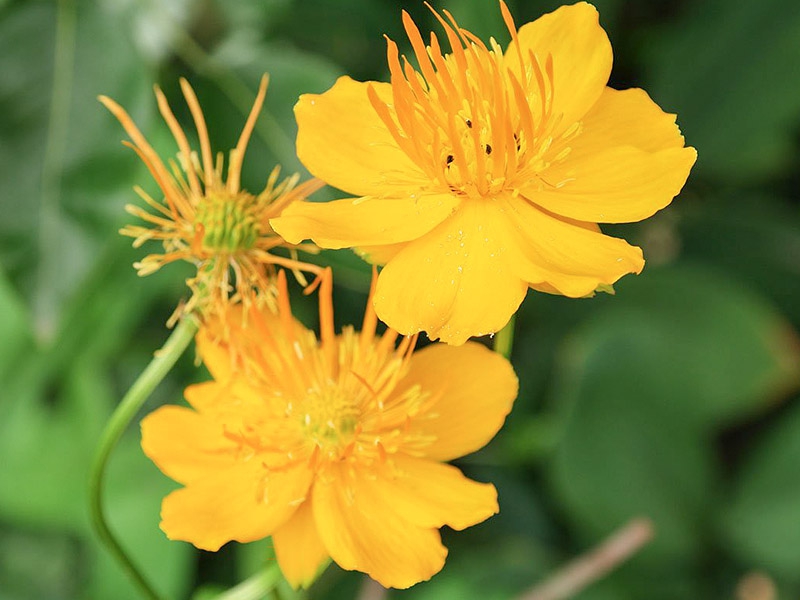
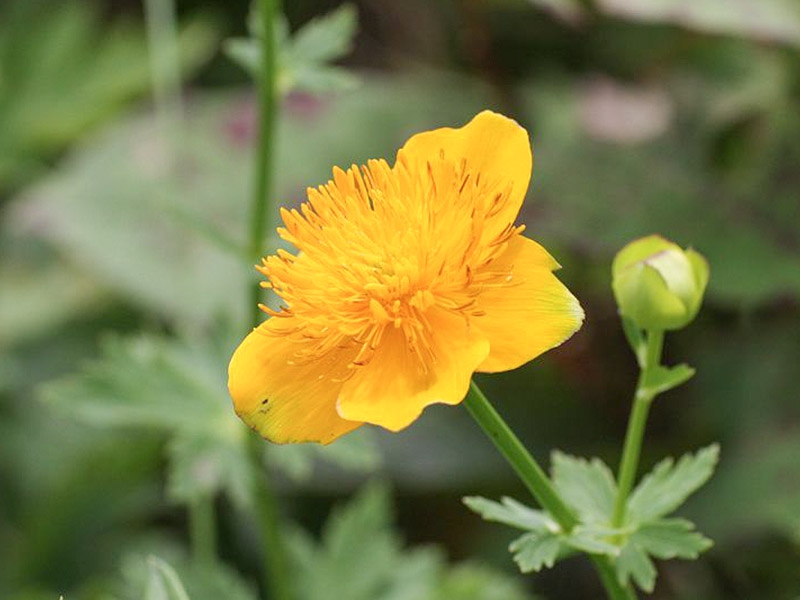
Dwarf goldenrod
Trollius riederianus
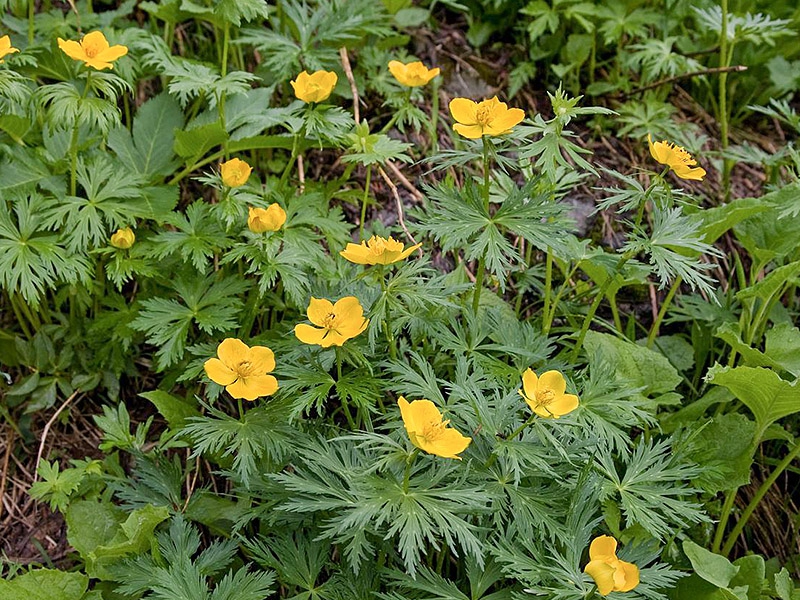
The following information pertains to the growth characteristics, propagation methods, cultivation methods, garden uses, and important pests and diseases, as well as control methods. Growth Characteristics - Environmental Conditions: The dwarf goldenrod prefers a cool, humid environment and thrives in partial shade. - Soil: It grows best in fertile, well-drained soil. - Temperature: It prefers a cool climate, but care is required during hot and humid seasons. Propagation Methods - Seed Propagation: It can be propagated by seeds. Spring is generally the best time for sowing. - Division Propagation: Dividing the roots in spring or autumn is also an effective method. Cultivation Methods - Watering: It is important to maintain appropriate moisture levels while avoiding overwatering. - Fertilizer: Using liquid fertilizer in spring and summer helps with growth. - Pruning: Remove withered flowers promptly to promote the growth of new flowers. Use in the Garden - The Japanese Goldenrod is characterized by its showy yellow flowers and is widely used as an ornamental plant in gardens. - It is well-suited for areas around ponds or in semi-shaded flowerbeds. Important Pests and Diseases & Control Methods - Diseases: Root rot or leaf blight may occur. To prevent these diseases, ensure good drainage and ventilation, and use appropriate fungicides if they occur. - Pests: Damage from aphids or scale insects may occur. Control them through regular observation and, if necessary, using natural or chemical insecticides. By managing the Japanese Goldenrod in this way, you can grow it in a healthy condition.
Plant Type
Plant Family
Ranunculaceae
Height
30~60cm
Spread
Colors
yellow
Bloom Period
July~August
Water Needs
commonly
Exposure
semi-shaded area
Freezing Resistance
-15°C
hedgehog grass
Triumfetta japonica
Golden plum blossom
Trollius ledebourii