English
한국어
English
Español
中文
हिंदी
Home
News
Community
Dictionary
English
한국어
English
Español
中文
हिंदी
View list
Dicentra 'Aurora'
Dicentra formosa
'Aurora'
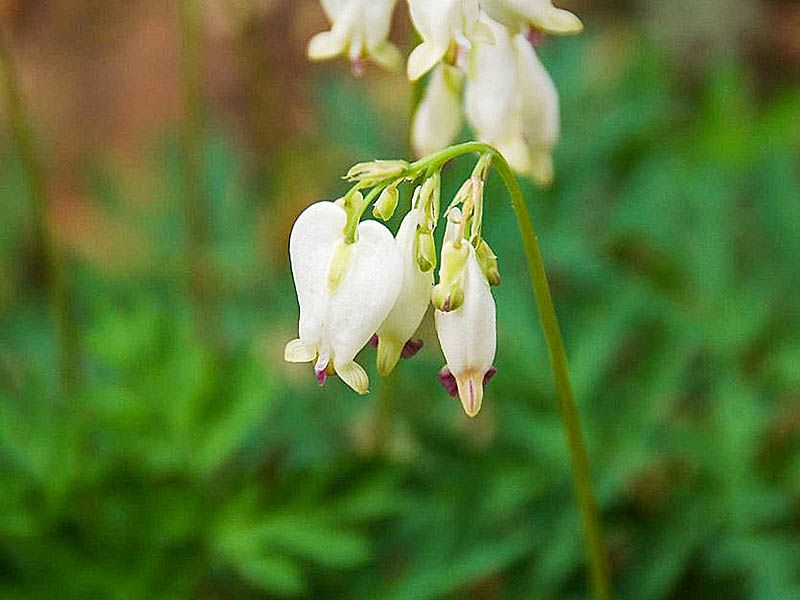
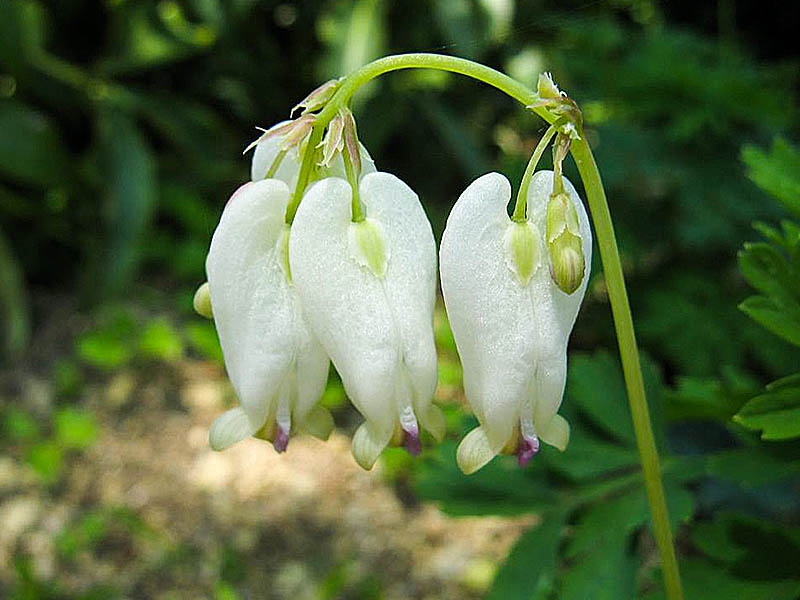
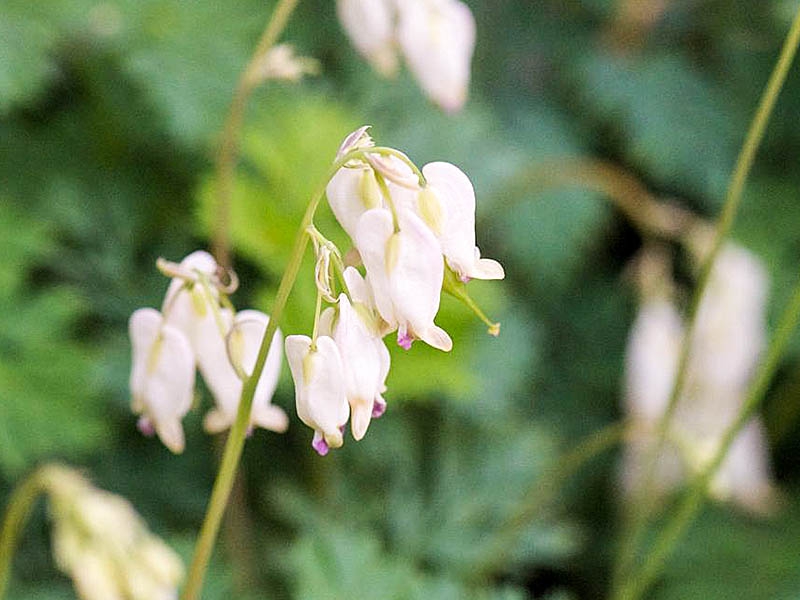
Dicentra formosa 'Aurora' is a widely used garden plant known for its attractive appearance and beautiful flowers. The following is a description of the main characteristics and cultivation methods of this variety. Growth Characteristics - Appearance: 'Aurora' is characterized by flowers that change from a delicate pink to white. The leaves are covered in soft hairs and are split like tree leaves. - Size: When mature, it reaches a height and width of approximately 30–45 cm. - Flowering Season: It blooms mainly in the spring, from April to June. Propagation Methods - Seeds: Seeds can be sown directly in spring or autumn, but germination takes some time. - Root Division: This is the most common and effective method. Divide the roots of a mature plant in spring or autumn for planting. Cultivation Methods - Soil: It prefers well-drained soil. It grows well in soil rich in organic matter. - Sunlight Conditions: It thrives in partial shade to complete shade. Excessive sunlight can actually be harmful. - Watering: Since excessive watering can cause root rot, it is best to water when the top layer of soil is dry. Uses in the Garden - 'Aurora' makes a great focal point at garden edges or in shaded areas. It also fits well in perennial borders or rock gardens. Important Pests and Control Methods - Diseases: It is susceptible to diseases such as root rot, which can occur due to overwatering. Proper drainage is necessary to prevent these diseases. - Pests: It may be attacked by pests such as aphids or snails. If pests appear, you can use appropriate insecticides or remove them manually. The bleeding heart 'Aurora' is a plant that can grow beautifully even in shaded gardens. It is relatively easy to care for as it propagates easily. Under the right conditions, it can ensure continuous healthy growth.
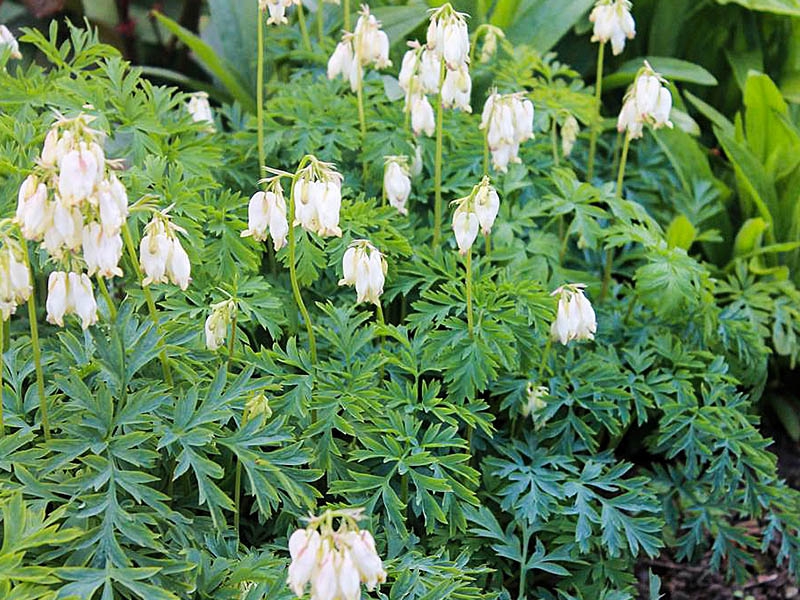
Plant Family
poppy family
Height
25~30cm
Spread
30~60cm
Colors
white
Bloom Period
May to August
Water Needs
commonly
Exposure
semi-shaded area
Freezing Resistance
-30°C
Dicentra spectabilis 'Burning Heart'
Dicentra formosa
'Burning Hearts'
Dicentra 'Amore Rose'
Dicentra formosa
'Amore Rose'