English
한국어
English
Español
中文
हिंदी
Home
News
Community
Dictionary
English
한국어
English
Español
中文
हिंदी
View list
tree fern
Dicksonia antarctica
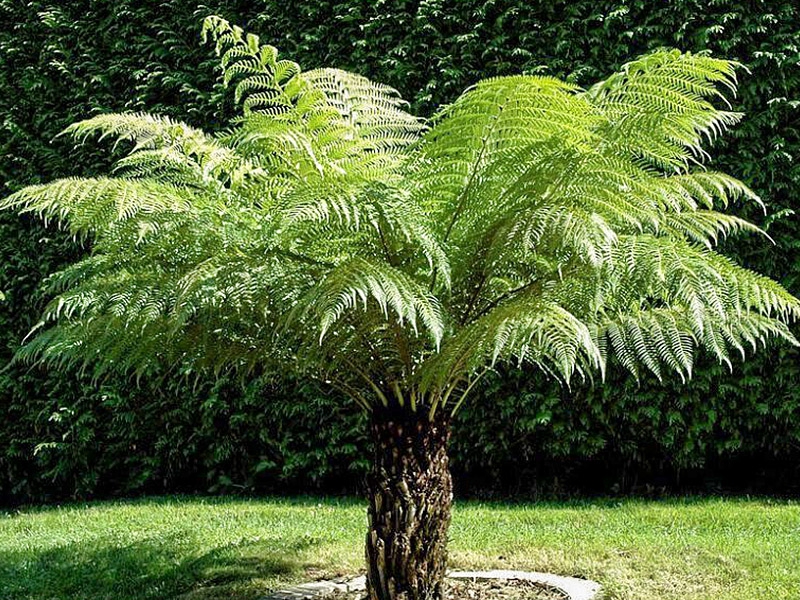
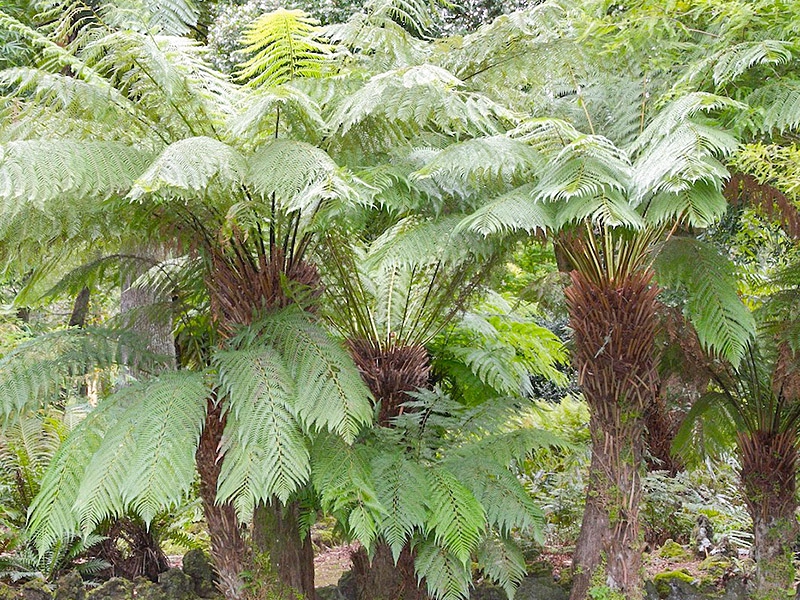
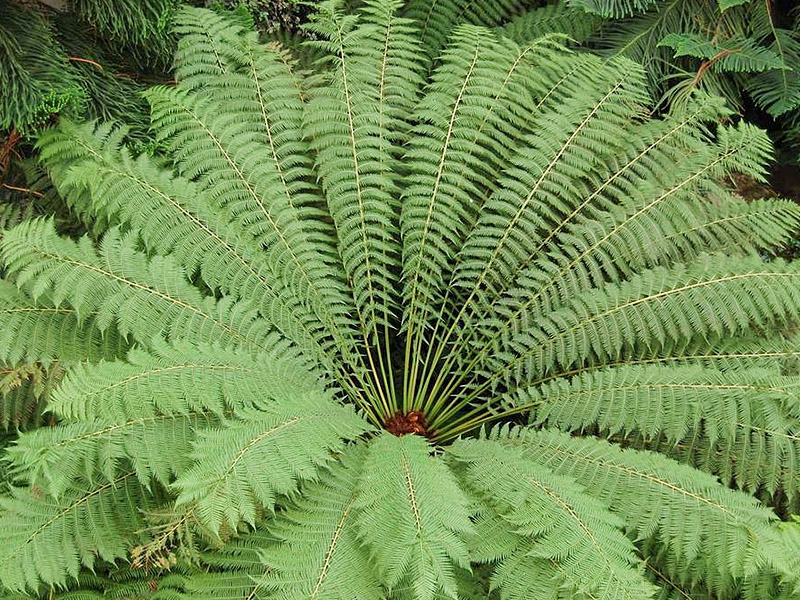
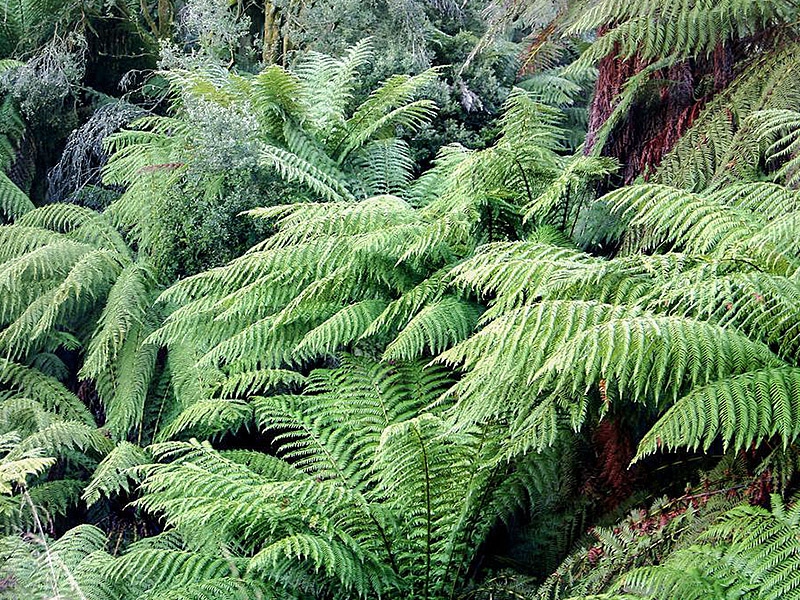
Dicksonia antarctica is a fern primarily found in the temperate regions of Australia and New Zealand. This plant thrives in humid, shady environments and requires high humidity and a constant temperature. Growth CharacteristicsDicksonia antarctica has an appearance similar to a palm tree, with its dry stems resembling wood. Mature plants can typically grow up to 3 to 6 meters tall, and their long, dense leaves create a unique silhouette in the forest. It prefers mild climates year-round and can survive through midwinter. Reproduction MethodsDicksonia antarctica reproduces by spores. Spores are released from sporangia located on the undersides of the leaves of mature plants. Under suitable environmental conditions, these spores can germinate and grow into new plants. In addition to the method of directly collecting and sowing spores, cuttings of mature plant stems and planting them in new locations are also used. Cultivation MethodsWhen cultivating Dicksonia antarctica, it is important to ensure a shady environment and sufficient moisture. It should be planted in well-drained soil and watered regularly to prevent the soil from drying out. Additionally, as it is sensitive to temperature changes, appropriate protective measures are necessary during extreme temperatures. Uses in the GardenIn gardens, it is primarily used for ornamental purposes, adding an exotic atmosphere thanks to its unique appearance. It is suitable for shaded or aquatic gardens, and planting it alongside other shade plants creates a harmonious landscape. Important Pests and Control MethodsWhile tree ferns are relatively resistant to pests, they can be damaged by insects such as leaf beetles or grippers. To prevent this, inspect the plants periodically; if pests are found, they can be controlled using soapy water or natural insecticides. Furthermore, it is important to maintain proper drainage to prevent root rot caused by excessive moisture. Although Antarctica is a plant that can provide a beautiful landscape without special care, it can grow even healthier if provided with an optimal environment. This will make it a valuable plant to enjoy in the garden for a long time.
Plant Family
Dicksoniaceae
Height
3.6~4.5m
Spread
2.4~3.6m
Colors
sporophyte
Bloom Period
March to August (spore period)
Water Needs
commonly
Exposure
semi-shaded area
Freezing Resistance
-10°C
Blue flower morning glory
Dichorisandra thyrsiflora
Balpulgosari
Dicranopteris pedata