English
한국어
English
Español
中文
हिंदी
Home
News
Community
Dictionary
English
한국어
English
Español
中文
हिंदी
View list
Nasturtium
Tropaeolum majus
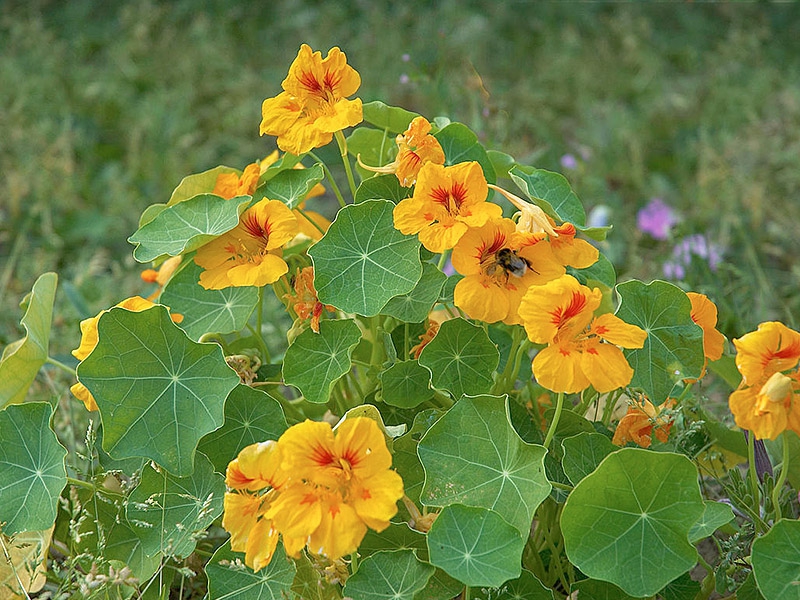
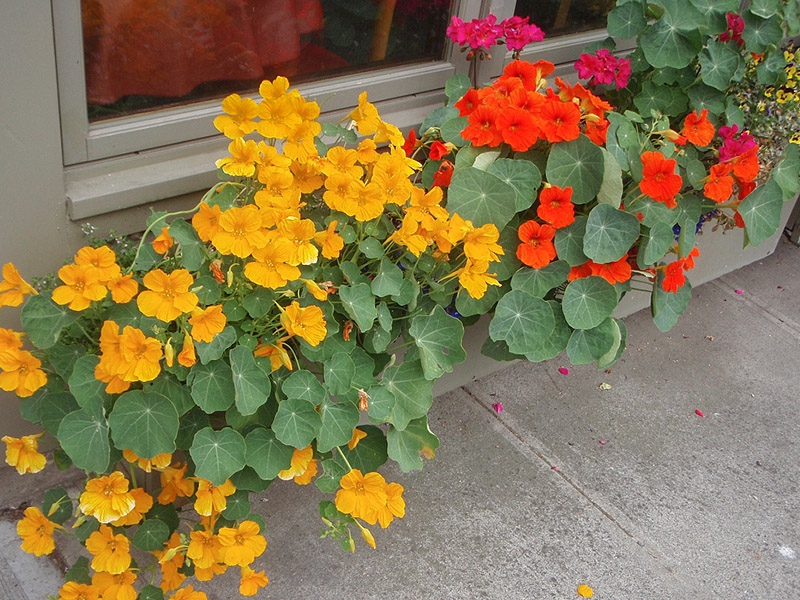
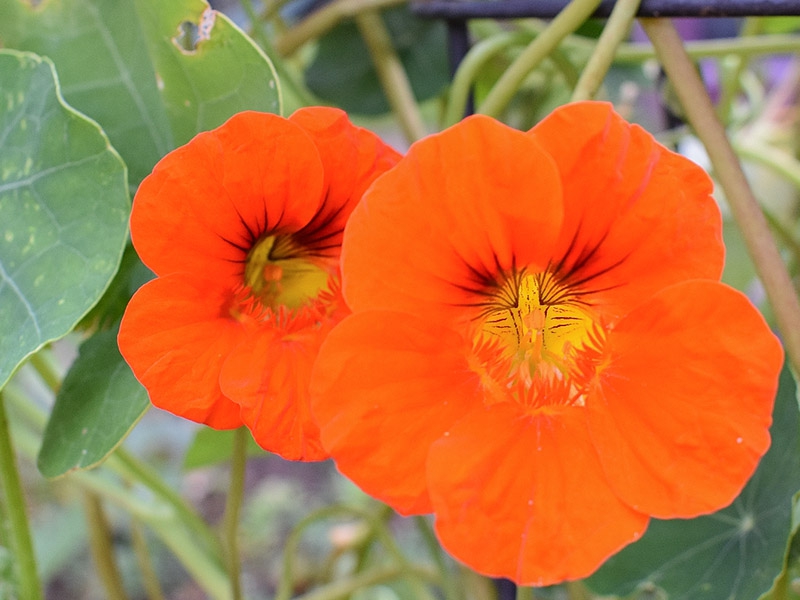
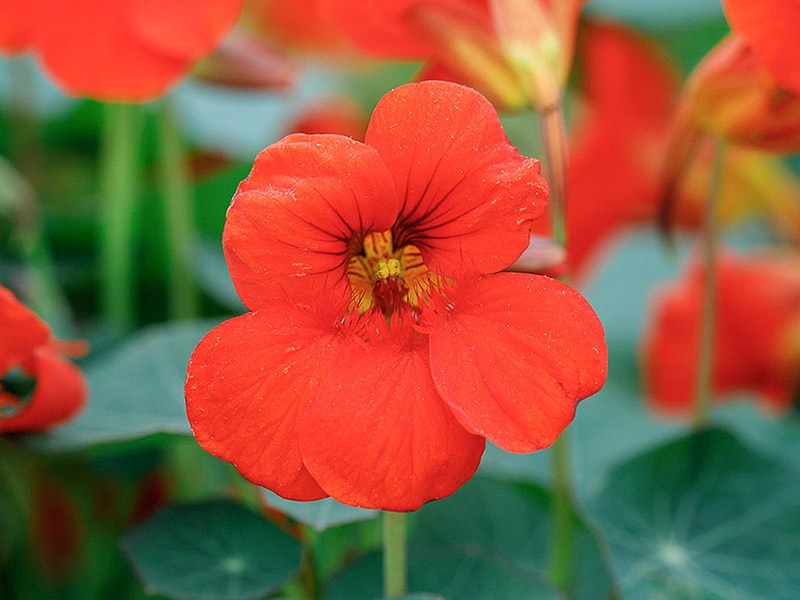
The following information pertains to the growth characteristics, propagation methods, cultivation methods, garden uses, and important pests and diseases, as well as control methods. Growth Characteristics - Growth Form: Nasturtium is a climbing herbaceous plant native to South America. It grows to a height of approximately 30 to 70 cm and features glossy, round leaves and flowers in various colors such as vivid orange, red, and yellow. - Environmental Requirements: It requires plenty of sunlight and thrives in well-drained soil. It can grow in partial shade, but may produce fewer flowers. - Flowering Period: It blooms mainly from summer to autumn, flowering more vigorously in cooler temperatures. Propagation Methods - Seed Propagation: It is primarily propagated by seeds. Seeds are sown directly into the soil in the spring, or seedlings are grown indoors and then transplanted. - Sowing Method: Seeds should be planted directly on the soil surface and covered with a shallow layer of soil. The optimal germination temperature is approximately 15–20°C. Cultivation Method - Soil: Soft, well-drained soil is suitable. - Watering: Be careful not to overwater. When watering, provide sufficient water, but wait until the soil dries out before watering again. - Fertilizer: General horticultural fertilizers can be used. However, be careful not to over-fertilize, as excessive nitrogen fertilizer can cause the plant to grow excessively without producing foliage. Uses in the Garden - Landscaping: It can be used in flowerbeds, pots, or as a wall vine. Its bright colors can serve as a focal point in the garden. - Companion Plants: It can be planted alongside roses or perennials, or planted around vegetable beds to deter pests. Important Pests and Diseases & Control Methods - Diseases: Diseases such as leaf blight and gray mold may occur. These can be prevented by maintaining proper ventilation and sunlight. - Pest Infestations: Aphids and moths may occur. If necessary, control can be achieved by using natural insecticides or removing infested areas. Creating various insect hotels to attract natural predators is also a viable method. Nasturtiums are relatively easy to cultivate, making them suitable for beginners, and they adapt well to diverse growing environments. They are plants that can enhance both the aesthetic and ecological value of a garden.
Plant Type
Plant Family
Nasturtium
Height
60cm
Spread
Colors
red, orange, yellow
Bloom Period
June~July
Water Needs
commonly
Exposure
Sunny
Freezing Resistance
-5°C
Cultorum Goldenrod 'New Moon'
Trollius × cultorum 'New Moon'
Tropaeolum Specio Island
Tropaeolum speciosum