English
한국어
English
Español
中文
हिंदी
Home
News
Community
Dictionary
English
한국어
English
Español
中文
हिंदी
View list
Sanguinalis
Digitaria sanguinalis
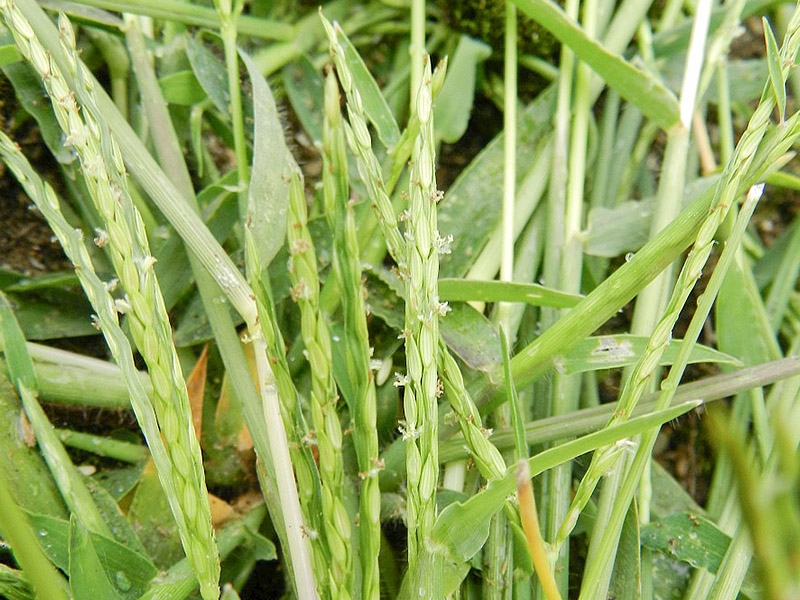
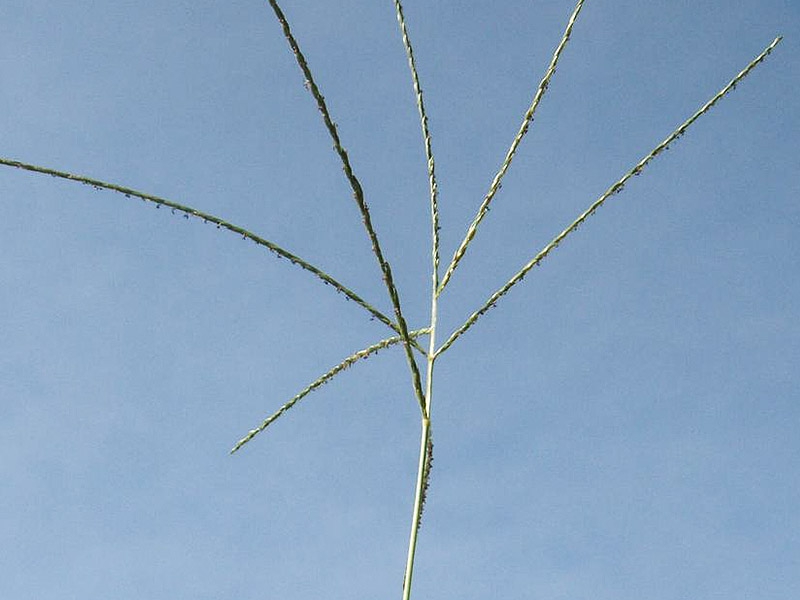
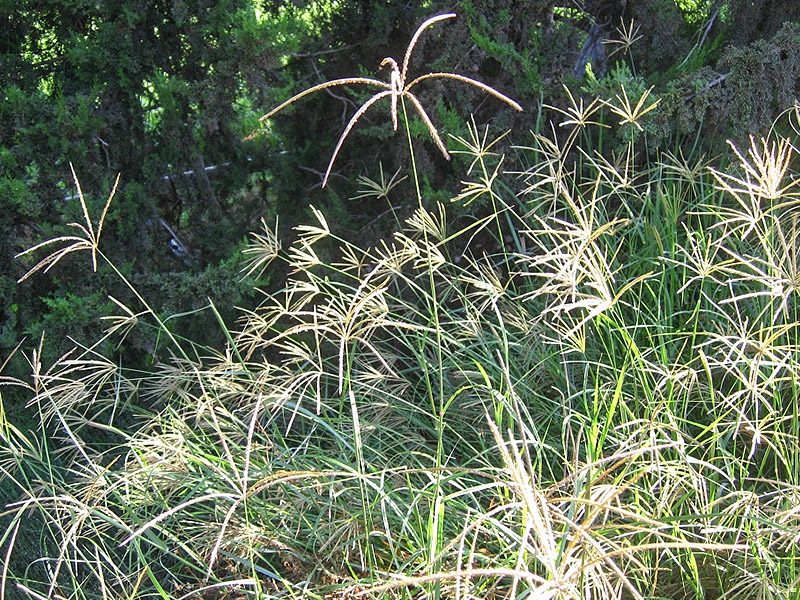
Digitaria sanguinalis, commonly known as barnyard grass, is a perennial grass that thrives in warm climates. The following describes the growth characteristics, propagation methods, cultivation methods, garden uses, and major pests and control methods of Digitaria sanguinalis. Growth Characteristics - Ecological Characteristics: Digitaria sanguinalis grows well primarily in warm and humid environments and has excellent adaptability to various soil conditions. - Growth Habits: It typically grows to a height of 30 to 100 cm and develops in a form where branches spread sporadically. - Leaves and Stems: The leaves are narrow and long, arranged alternately along the stem. The stems are relatively delicate and have many nodes. Propagation Methods - Seed Propagation: Digitaria sanguinalis primarily reproduces through seeds. A single plant produces a large quantity of seeds, allowing it to spread widely. 2. Vegetative Propagation: Although less common, vegetative propagation via roots is also possible, and it can spread easily through this method, especially under humid conditions. Cultivation Methods - Growing Environment: It grows ideally in well-drained soil with abundant sunlight. It is best to avoid excessive moisture. - Sowing Time: Spring is generally suitable for sowing, and proper watering management should be maintained throughout the growing season. Uses in the Garden - Iris pseudacorus can generally be used as a lawn or as a ground cover plant to prevent soil erosion. - However, due to its rapid propagation, it may compete with other plants, so management is required. Important Pests and Control Methods - Diseases: Iris pseudacorus is generally resistant to serious diseases, but fungal diseases may occur in overly humid environments. - Control Methods: Ventilate regularly and maintain the environment to reduce excessive moisture. 2. Pests: While Iris pseudacorus can be affected by several pests, major damage is relatively rare. - Control Methods: When pests appear, appropriate commercial natural insecticides can be used for eco-friendly control. Combining this with physical pest removal is also effective. In summary, Iris pseudacorus is relatively easy to manage, but caution is required when using it in the garden due to its rapid reproduction. Regular ventilation, physical pest removal, and the use of appropriate insecticides are important for pest management.
Plant Family
Poaceae
Height
30~70cm
Colors
green
Bloom Period
July to September
Water Needs
commonly
Exposure
Sunny
Freezing Resistance
-10°C
Digitalis grandiflora
Minbarangi
Digitaria violascens